
By [email protected] in Dec 16, 2025
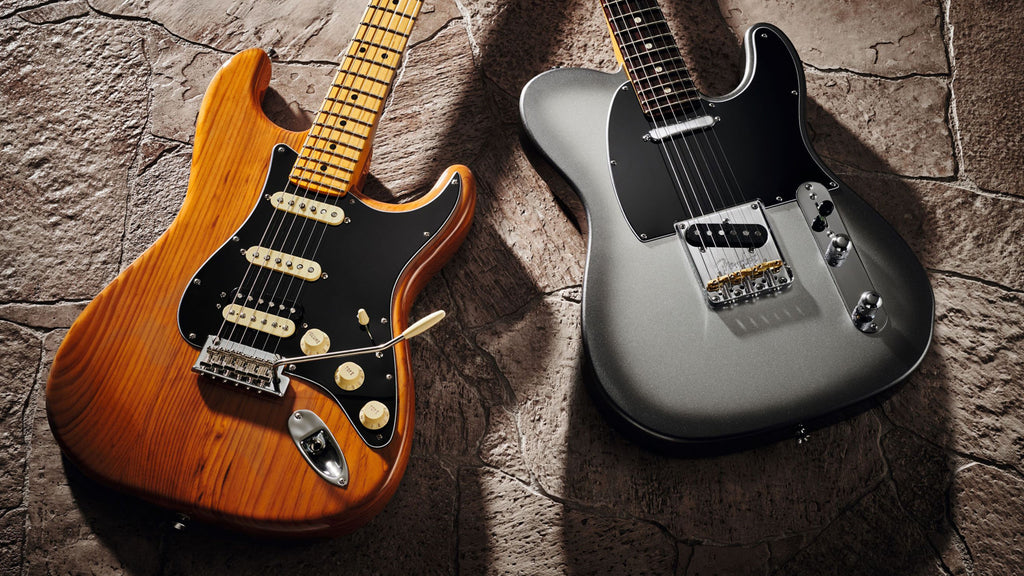
The sleek, contoured Stratocaster and the tough, dependable Telecaster have been Fender's two unchallenged rulers of the electric guitar world for decades. Only one may claim to be the most well-known Fender guitar, despite the fact that both are classics who helped establish entire genres. We dissect the standards, contrast the candidates, and describe which instrument had the most significant and identifiable influence on music culture around the world.
It is necessary to look beyond sales numbers or personal preferences to identify the "most famous" guitar. It necessitates a comprehensive evaluation grounded in widespread cultural influence. We arrive at our conclusion by assessing four crucial factors:
Cultural Visibility (Media, Festivals, Album Covers, Film): This criterion quantifies the frequency with which the instrument is perceived by the general audience outside of its immediate musical context. A genuinely well-known guitar becomes a common abbreviation for "rock and roll" or "electric guitar" in general. We assess its visual dominance at iconic music festivals like Woodstock or Glastonbury, where exposure directly translates into international awareness, as well as its prominence on legendary record covers and in big motion pictures or television series.
Artist Adoption Across Genres and Eras: Two essential elements of celebrity are longevity and adaptability. From the time of its release in the 1950s through each succeeding musical decade, we must look at which instrument was continuously selected by the most innovative and well-known performers. The guitar that has been effectively used in the greatest variety of musical genres, from pop, metal, and funk to hard rock and blues, demonstrates a wider and more enduring fame.
Design Impact on Subsequent Instruments: The influence of a guitar's design demonstrates its importance. The most well-known Fender should contain design features (like body form, headstock, or electronic layout) that are most frequently and freely imitated, altered, and incorporated into the guitar designs of other manufacturers throughout the globe. The more well-known and fundamental the original design, the larger the derivative market.
Market Presence (Sales, Replicas, Signature Models): Lastly, long-term commercial success is a sign of maintained fame. This entails evaluating which model maintains the highest yearly sales volume and is the focus of the most officially approved signature models in the whole Fender family, including the painstakingly made reproductions from the Custom Shop. High market presence is a sign of enduring, broad appeal.
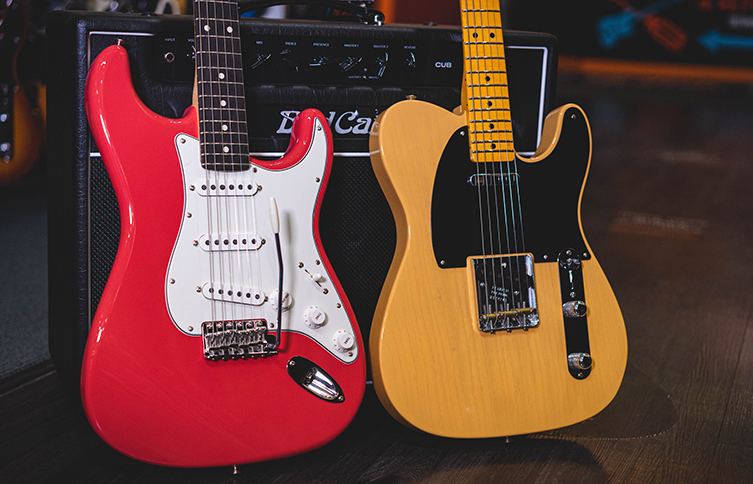
A pivotal period in the history of the guitar is the basic rivalry between the Telecaster and the Stratocaster. They both have their own legacy and reflect two radically different but equally excellent approaches to Fender's design philosophy.
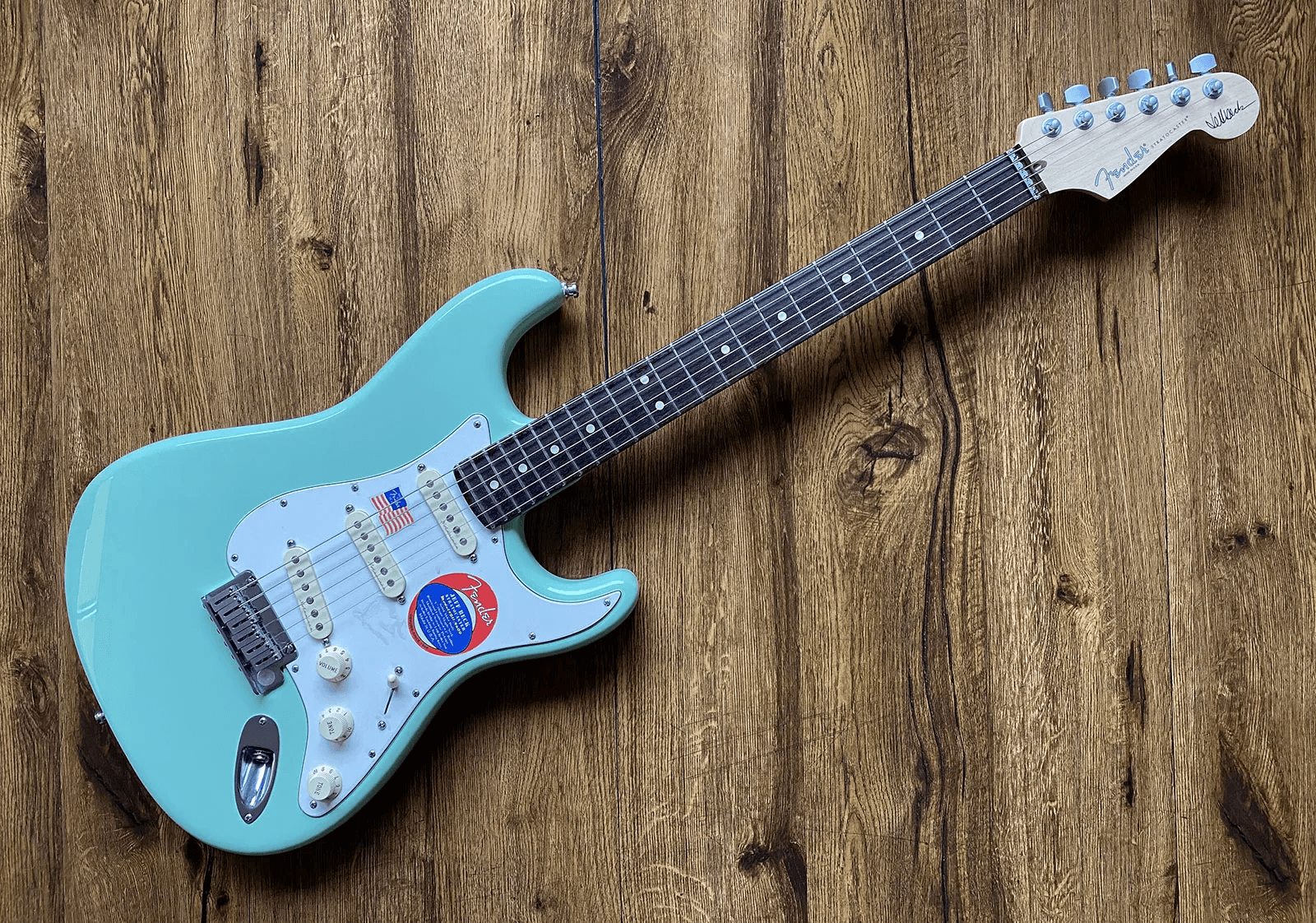
Introduced in 1954, the Stratocaster (often shortened to "Strat") was an exercise in futuristic design and ergonomic perfection.
Design Features: The Strat has a distinctive pointed headstock and an innovative contoured body (the "comfort contours" that fit against the player's body). With three single coil pickups managed by a five-way switching system, its typical setup offers a wide range of tonal options.
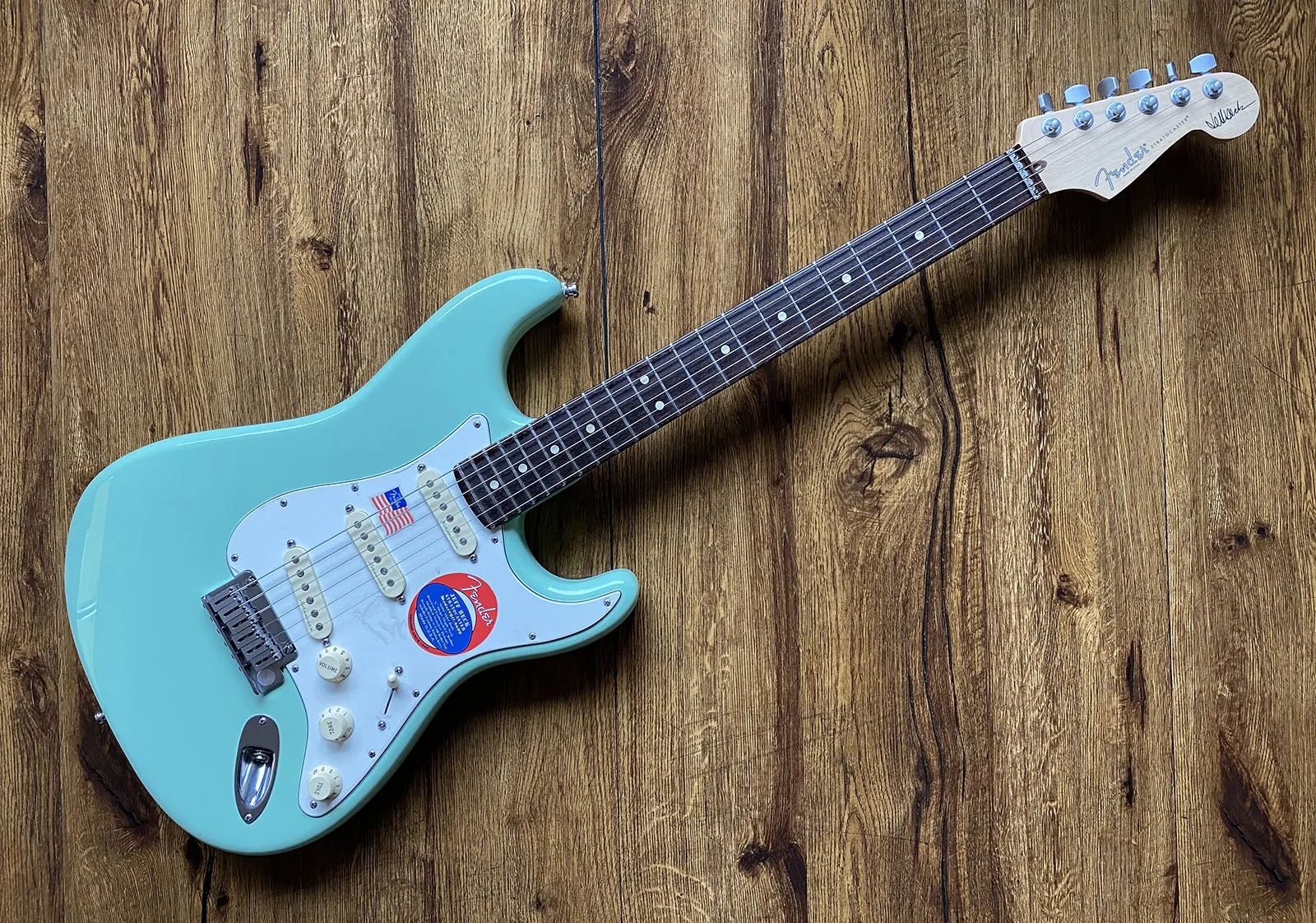
Defining Element: By enabling players to drastically bend notes and chords, the revolutionary synchronized vibrato bridge, also referred to as the whammy bar, introduced expressive skills that were previously unattainable.
Associated Tones and Eras: Its sound is frequently characterized as chimey, articulate, and glass-like, defining the sound of pop rock from the 1980s, funk from the 1970s, and psychedelic rock from the 1960s, making it a genuinely worldwide sound.
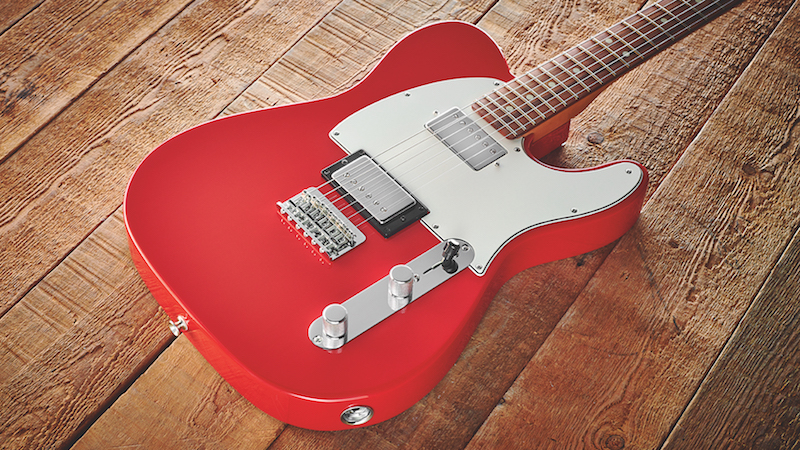
The Telecaster, which was first made available for purchase in 1951, is a prime example of its simplicity and practical design.
Design Feature: It includes a simple slab body, a fixed bridge with strings that run through the body for optimum sustain, and a plain two-single coil pickup arrangement that is managed by a three-way switch.
Defining Element: The Telecaster's reputation is based on its strong dependability and unique sound. It is nearly impossible to duplicate the potent "snap" or twang produced by the renowned bridge pickup on other guitars.
Associated Tones and Eras: Known for its straightforward, no-nonsense tone and extraordinary endurance, this guitar's lineage is strongest in genres that need definition and bite, such country, classic blues, punk, and garage rock.
The Stratocaster is unquestionably the most well-known Fender guitar ever produced, even if the Telecaster is undoubtedly the most fundamental and important electric guitar. Its exceptional capacity to embody the concept of an electric guitar and its widespread cultural visibility are what distinguish it.
Superiority in Visual and Ergonomics
For the mid-1950s, the Stratocaster's dynamic shape and bold, contoured body were innovative. In contrast to the Telecaster's more rustic style, it was made to appear and feel quick. It became an instant popularity for album artwork, movie props, and concert posters due to its futuristic appearance.
The inclusion of the vibrato bridge also made the Strat more visually interesting on stage, adding a performative element. Its reputation as the worldwide emblem of rock and roll rebellion, a visual trademark easily recognizable even by non-musicians, was solidified by performers like Jimi Hendrix at Woodstock.

Unmatched Versatility and Global Adoption
The Stratocaster had a significant edge thanks to its electrical architecture. The Telecaster was unable to match the enormous tonal diversity provided by the special combination of the three pickups and the well-known "in between" sounds produced by the five-way switch. Because of its adaptability, it was welcomed by pop legends like Mark Knopfler, psychedelic masters like David Gilmour, blues giants like Eric Clapton, and many more. Its global penetration and enduring reputation were guaranteed by its broader adoption across the musical spectrum.
The Most Copied Design in History
The Stratocaster's widespread use in the market is the last, indisputable evidence of its renown. The most imitated guitar design in history is the body form of the Stratocaster. A variant or "tribute" to the famous shape of the Strat is available from almost every guitar manufacturer worldwide. The Stratocaster is the widely recognized archetype of the electric guitar, as evidenced by its level of adoption and copying, which is significantly higher than that of the Telecaster.
Wear genuine clothing to demonstrate your devotion to the iconic Fender sound if you value the quality and heritage of the Stratocaster and Telecaster.
Whether you side with the Strat or the Tele, your passion for Fender is what matters. Fendory provides the ultimate way to show your commitment with our Official Licensed Fender Guitar Sweatshirt Collection.

We guarantee every sweatshirt in our collection is 100% officially licensed. This indicates that you are not getting a cheap knockoff that fades after a single wash, but rather authentic designs that satisfy the quality criteria of a company renowned for its craftsmanship. With its distinctive headstock logos, personalized store badges, and timeless model silhouettes, our exclusive collection embodies the genuine aesthetic of the Fender heritage.
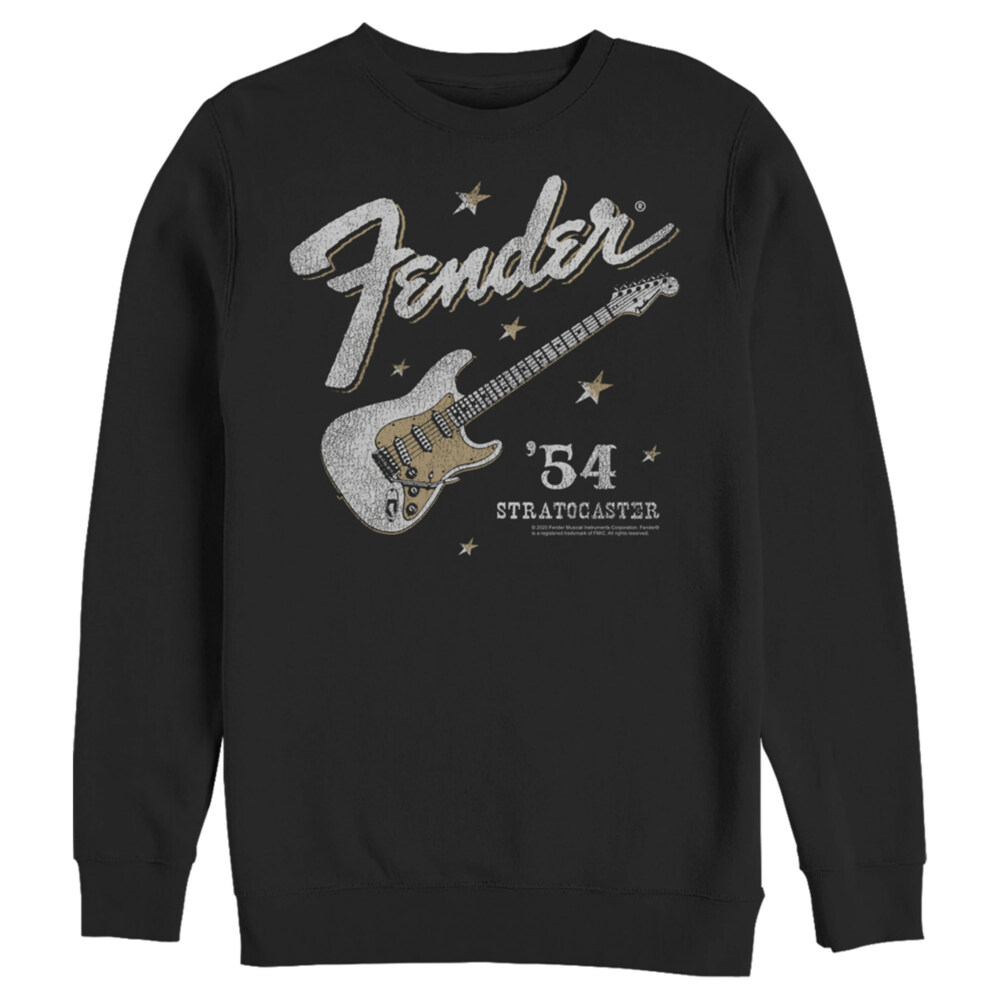
These sweatshirts are made to be as comfortable as possible on stage or in the studio. By selecting Fendory, you are contributing to the history of invention in addition to purchasing apparel. Wearing authentic clothing is a must for any dedicated fan who values authentic musical history, so you can confidently own the atmosphere.
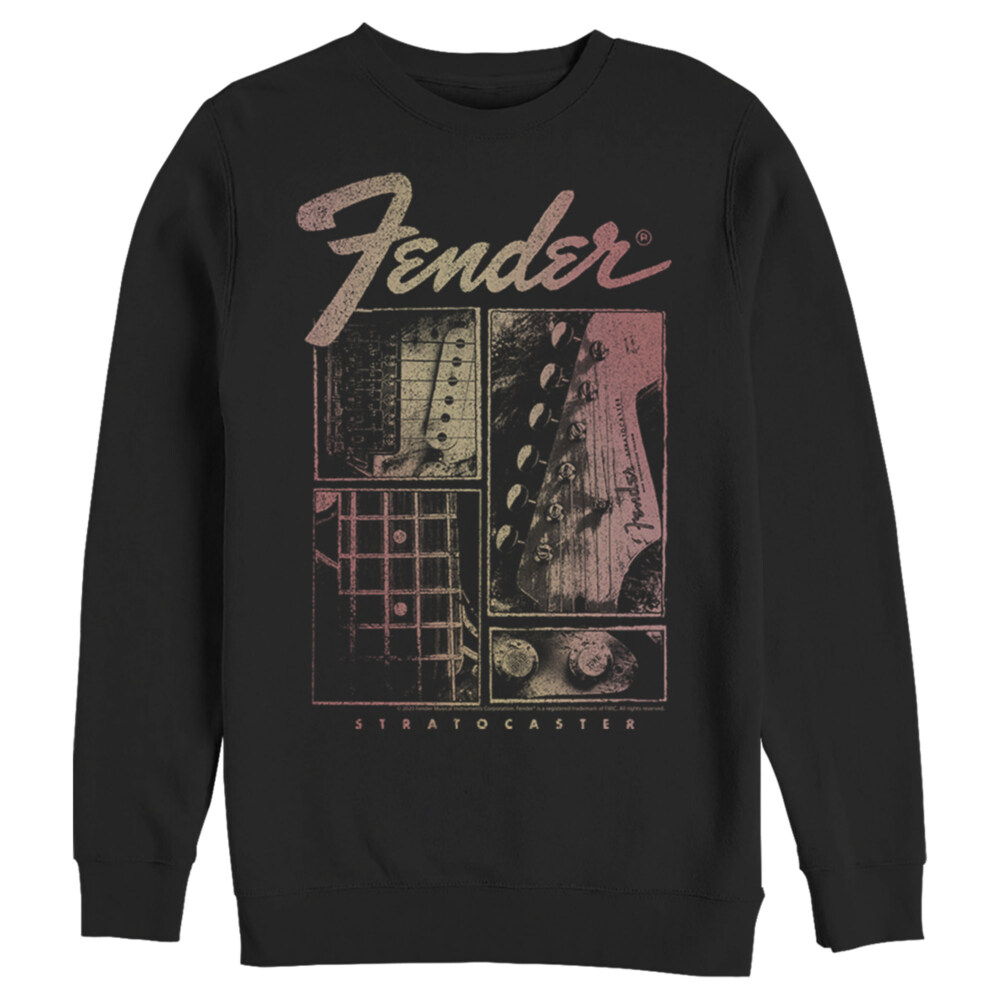
The Stratocaster is without a doubt the most well-known Fender guitar due to its enormous cultural influence, historical adoption by significant musicians, and standing as the most copied electric guitar design worldwide. The Strat's enhanced visual and aural variety gave it the decisive advantage, even though the Telecaster's basic ingenuity and dependability still make it indispensable. It continues to be the most well-known and significant electric guitar form in the world, representing creativity and creative freedom to millions of people.
Read more:
0 comment