
By [email protected] in Dec 16, 2025
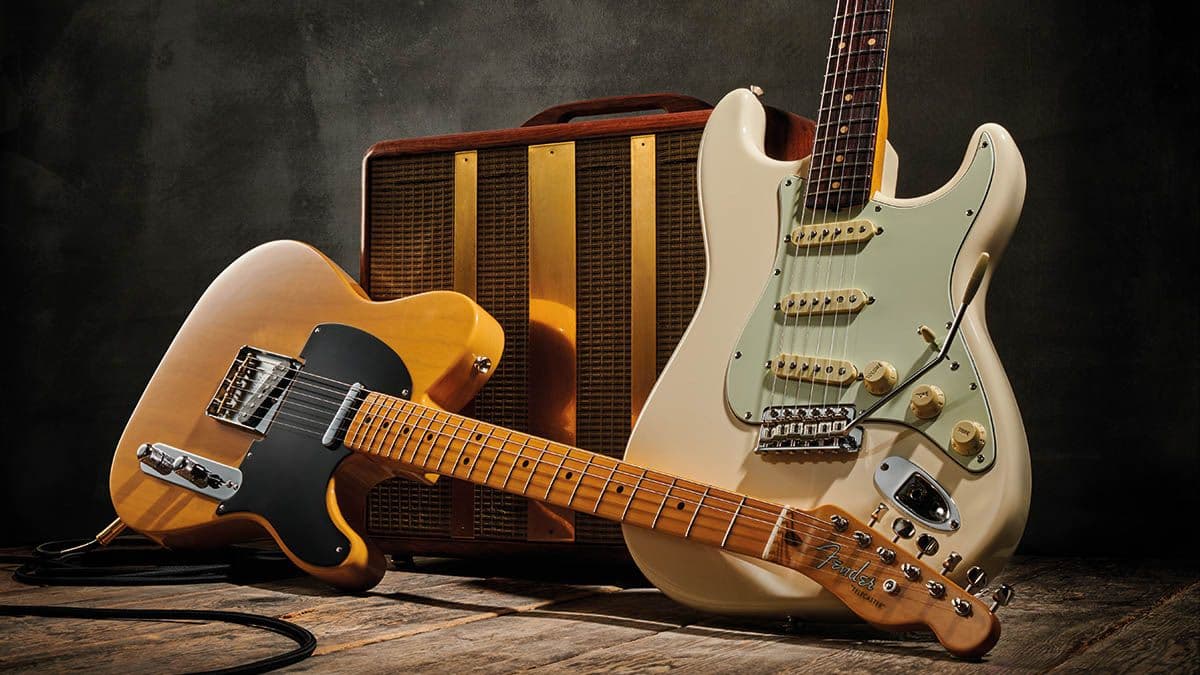
From the traditional Telecaster and Stratocaster to versions like the Jazzmaster, Fender guitar names can appear complicated. You need a clear framework to traverse the brand's extensive catalog, whether you're looking at an American Professional or a Squier. By deciphering all model names and series labels, this guide streamlines the complete Fender lineup.
Fender names its instruments in a methodical, two-tiered manner. While the secondary name, or Series Label, indicates the quality tier, manufacturing nation, and target market, the primary name specifies the distinctive body shape and electronic configuration (the core DNA). Deciphering the complete Fender lineup begins with an understanding of this structure.
This name alludes to the fundamental design developed by Leo Fender and his team, which establishes the essential elements such as pickup arrangement, scale length, and body shapes. The Fender sound is defined by these names:
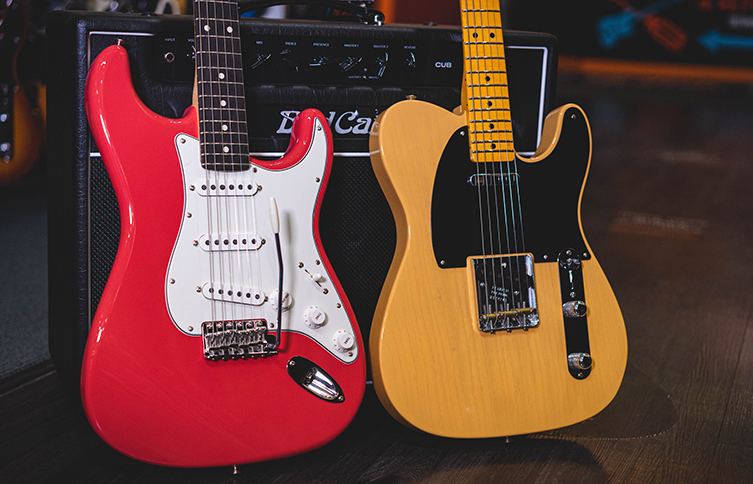
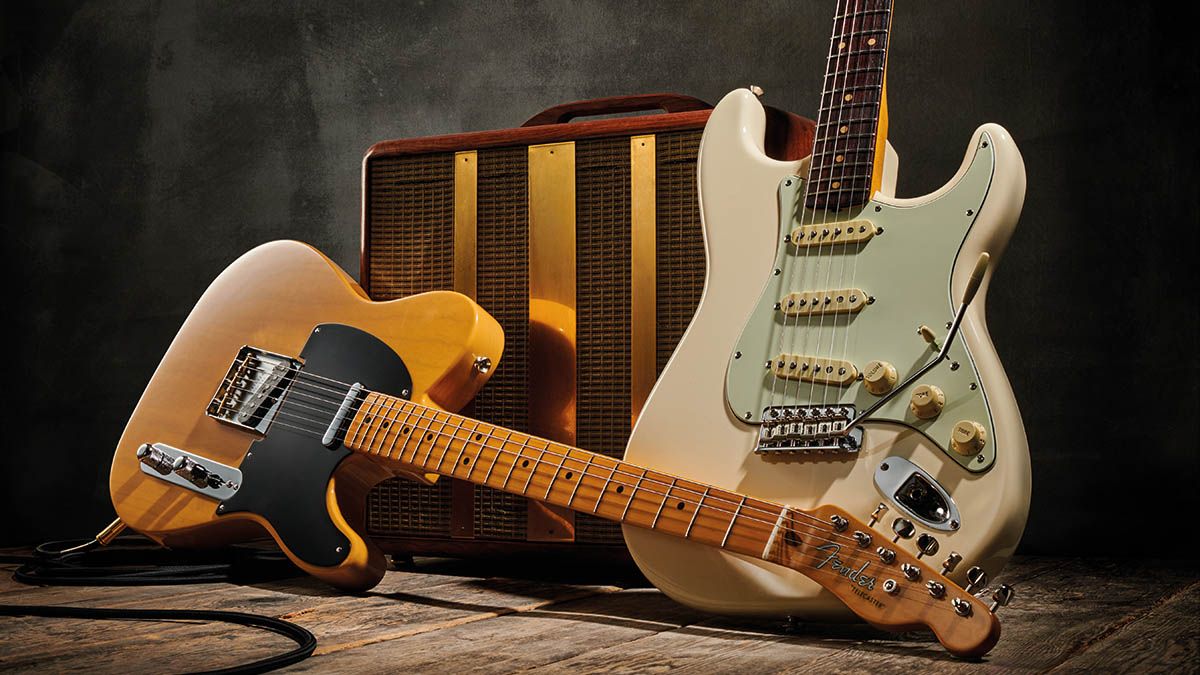
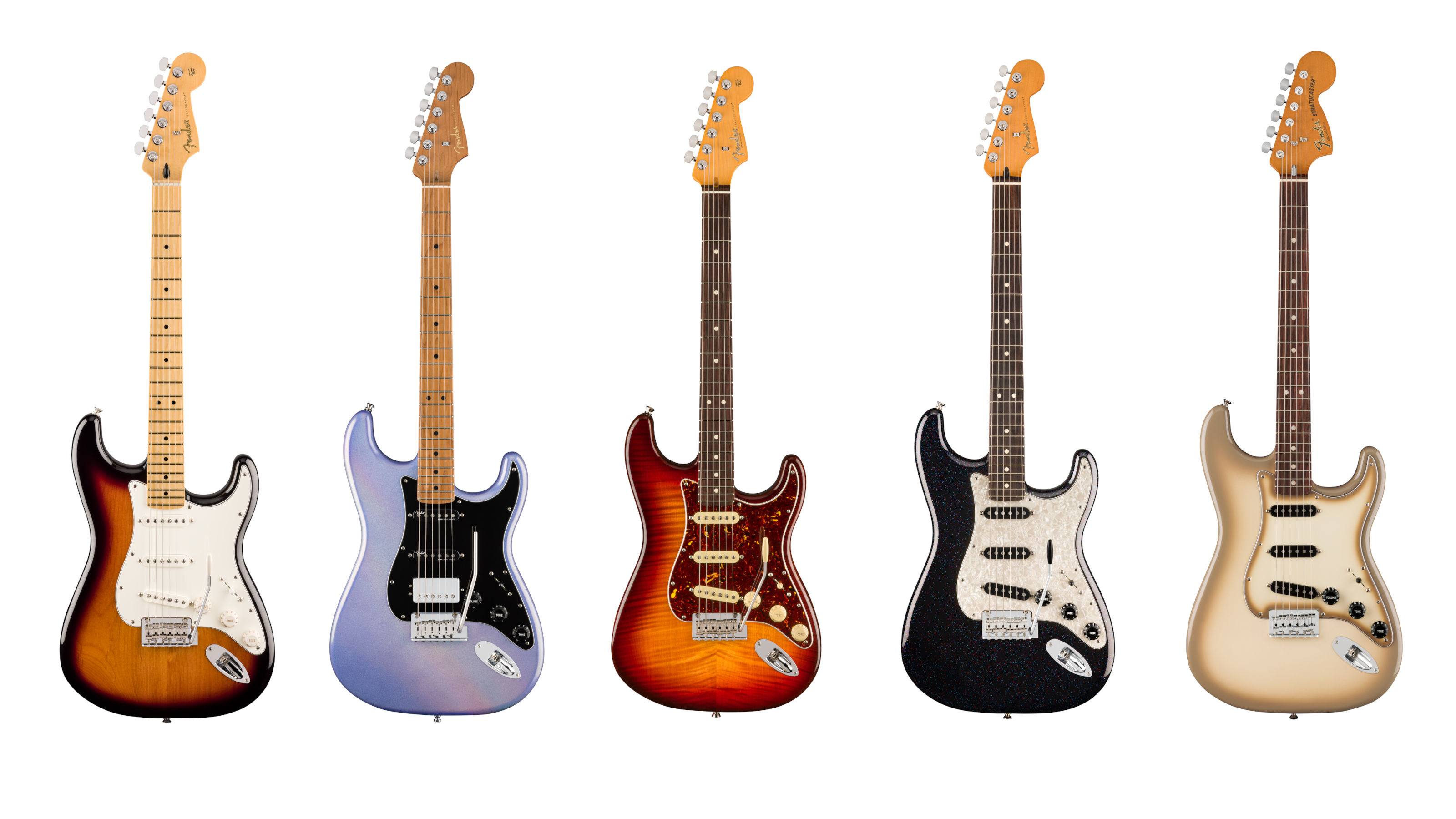
Stratocaster (Strat): The vibrato bridge design, three pickups, and curved body. renowned for its chime and adaptability.
Telecaster (Tele): The two-pickup, slab body, and simple fixed bridge design. Known for twang and reliability.
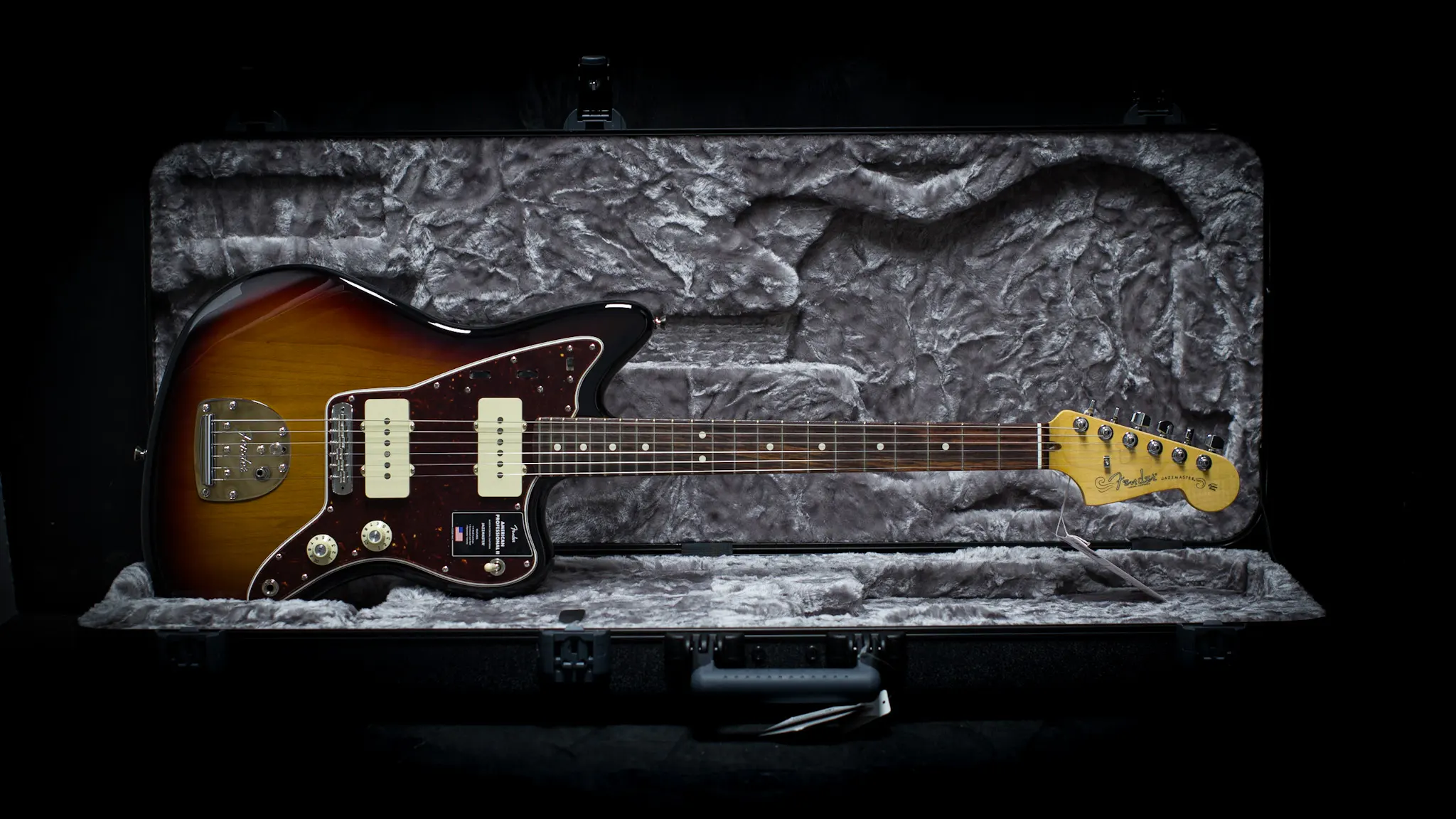
Jazzmaster: Known for surf rock and indie music, this offset body was initially created for jazz.
Jaguar: An offset body with complicated switching and a shorter scale (24 inches). renowned for its unique "strangle switch" and adoption by punk and new wave.
Mustang: Alternative rock performers frequently use this popular student model, which has a shorter scale.

Perhaps the most significant distinction between price and quality is the Series Label. It provides the buyer with information on the instrument's manufacturing location, component quality (hardware, pickups, wood), and total cost.
Custom Shop: These are high-end instruments that are frequently team-built or master-built in the United States. They are made for elite collectors and professionals looking for custom quality, and they have very high-end materials and specialist relic treatments.
American Vintage II: For collectors and purists, this range, which is made in the USA, aims to be historically accurate by reproducing the precise features, finishes, and sounds of vintage Fender instruments from the 1950s, 1960s, and 1970s.
American Professional II: Manufactured in the United States, this is the main brand for working professionals. These guitars guarantee the highest standards of playability and tone thanks to the greatest contemporary hardware, cutting-edge electronics, and the most recent ergonomic upgrades.
Player Series: Made in Mexico, this series provides authentic Fender quality and the essential components of the vintage models (Strat, Tele, etc.) with a range of features at a very affordable price point for the intermediate guitarist.
Squier Affinity/Bullet: Usually produced in Asia (China/Indonesia), these are the entry-level instruments. They are an excellent place for novices to start learning the traditional Fender feel because of their unmatched cost.
This two-part naming structure allows a musician to quickly identify, for example, a "Player Stratocaster" (a versatile, mid-range Strat made in Mexico) versus an "American Professional II Telecaster" (a flagship, top-tier Tele made in the USA).
Fender's electric six-string catalog is the cornerstone of their renown. While models like the Telecaster and Stratocaster are well-known worldwide, others have distinctive looks and specialized sounds.
The Stratocaster (The Icon)
The electric guitar's archetype is the Strat. Its three single-coil pickups give it a chimey, glass-like tone, and its contoured body and synchronized tremolo mechanism make it incredibly playable. It can easily switch between rock (David Gilmour), funk (Nile Rodgers), and blues (Eric Clapton) thanks to its immense versatility. Every maker uses the Stratocaster as a model since it is the most imitated and instantly identifiable guitar shape in the world.
The Telecaster (The Workhorse)
The Telecaster is the epitome of unadulterated output and simplicity. The Tele, which was first introduced as the Broadcaster, is praised for its rounder, warmer neck tone and brilliant, strong twang from the bridge pickup. Its strong, through-body stringing adds to its amazing punch and sustain. Rock (Keith Richards), punk (Joe Strummer), and country (Brad Paisley) musicians that need a guitar that consistently cuts through the mix appreciate the Telecaster as the ultimate dependable worker.
The Jazzmaster (The Offset Alternative)
The Jazzmaster, which debuted in 1958 and had a radical offset body intended for seated jazz performers, never really gained popularity in that genre. Rather, it became a symbol of surf music and, later, alternative, noise, and shoegaze rock in the 1980s and 1990s because of its distinctive big single-coil pickups and intricate rhythm/lead circuitry. Its innovative floating tremolo system and extended scale length (25.5 inches) provide a distinctive, roomy sound character.
The Jaguar (The Short Scale Specialist)
Due to its offset body, the Jaguar, which debuted in 1962, is frequently mistaken for the Jazzmaster. However, there is one important distinction: the Jaguar has a shorter 24-inch scale length. This shorter scale gives the tone a distinct, deeper thud and facilitates string bending. Several switches, notably the well-known "strangle switch" that filters bass frequencies, are part of the Jaguar's incredibly intricate electronic circuit. Similar to the Jazzmaster, it made its final home in the grunge and alternative scenes (Kurt Cobain).
The Mustang (The Student-Turned-Cult Classic)
Fender's effort to produce high-quality student models with increasingly reduced scales included the Mustang. Players with smaller hands or those looking for a distinctive feel enjoyed its small body and dynamic vibrato system. Despite being entry-level at first, the Mustang gained a cult following, especially in the punk and indie scenes, demonstrating that excellent tone frequently surpasses a guitar's initial marketing goals.
The impact of Fender goes well beyond their electric six-string guitars. In order to accommodate all musicians, the business created the current electric bass and is still innovating in acoustic and hybrid models.
The Definitive Electric Basses: Leo Fender effectively invented the contemporary electric bass, just as he invented the electric guitar as we know it.
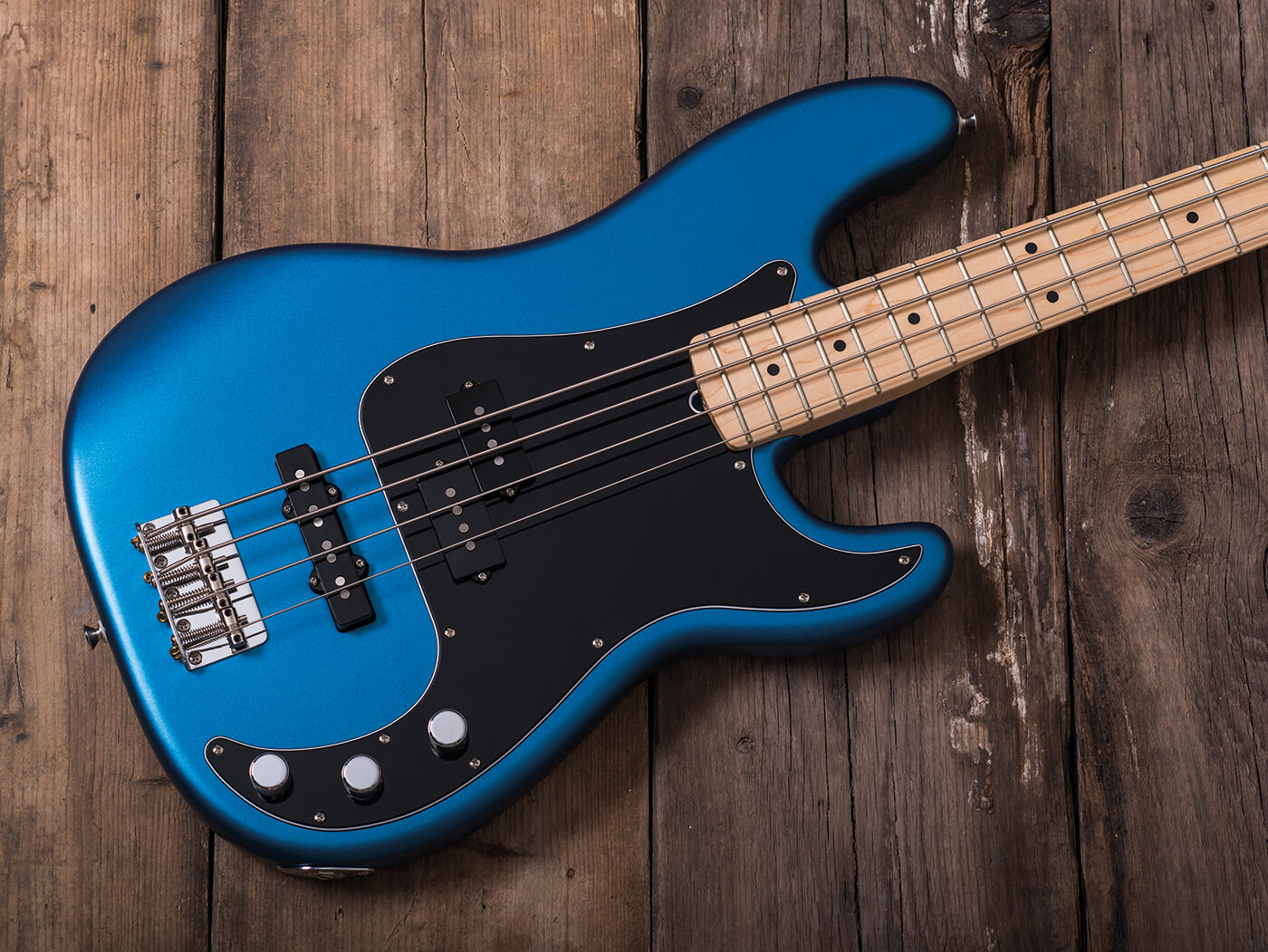
Precision Bass (P-Bass): Introduced in 1951, the P-Bass was the first electric bass with precise fretting (hence the name "Precision"). The fundamental tone for rock, soul, and R&B is produced by its strong, punchy split-coil pickup. It is praised for its muscular simplicity and is possibly the bass guitar that has been recorded the most in history.
Jazz Bass (J-Bass): Introduced in 1960, the J-Bass had two separate single-coil pickups and a smaller neck. It was more versatile than the P-Bass and had a brighter, more articulate tone. Because of its distinct mids and highs, the jazz bass is preferred in funk, jazz, and fusion
Modern Acoustic and Hybrids: Fender continues to offer a wide range of acoustic products, but its latest developments concentrate on fusing the electric and acoustic realms.
Fender Acoustasonic line: This innovative line, which includes the Acoustasonic Telecaster and Acoustasonic Stratocaster, combines real acoustic tones with electric playability through advanced electronics, a unique body design, and a combination of magnetic and piezo pickups. Fender's dedication to cutting-edge innovation and bridging the acoustic/electric performance gap is evident in this line.
Amplification and Accessories
Lastly, Fender's iconic amplifiers, such the Deluxe Reverb and Twin Reverb, are synonymous with the brand. These amplifiers, which frequently carry as much weight as the guitars themselves, are regarded as fundamental elements of the "Fender sound" and are essential to the brand's enduring heritage. Throughout the musician's toolset, the entire ecosystem guarantees complete brand supremacy.
It is evident from navigating the intricate and recognizable naming history of Fender guitars, from the famous Telecaster to the cutting-edge Acoustasonic, that the company is dedicated to musical quality. Gear that reflects that genuineness is what you deserve.
Authenticity is important when investing in music iconography. While generic internet retailers could sell subpar copies, Fendory's Official Licensed Fender Guitar Sweatshirt Collection is the best option to demonstrate your dedication.
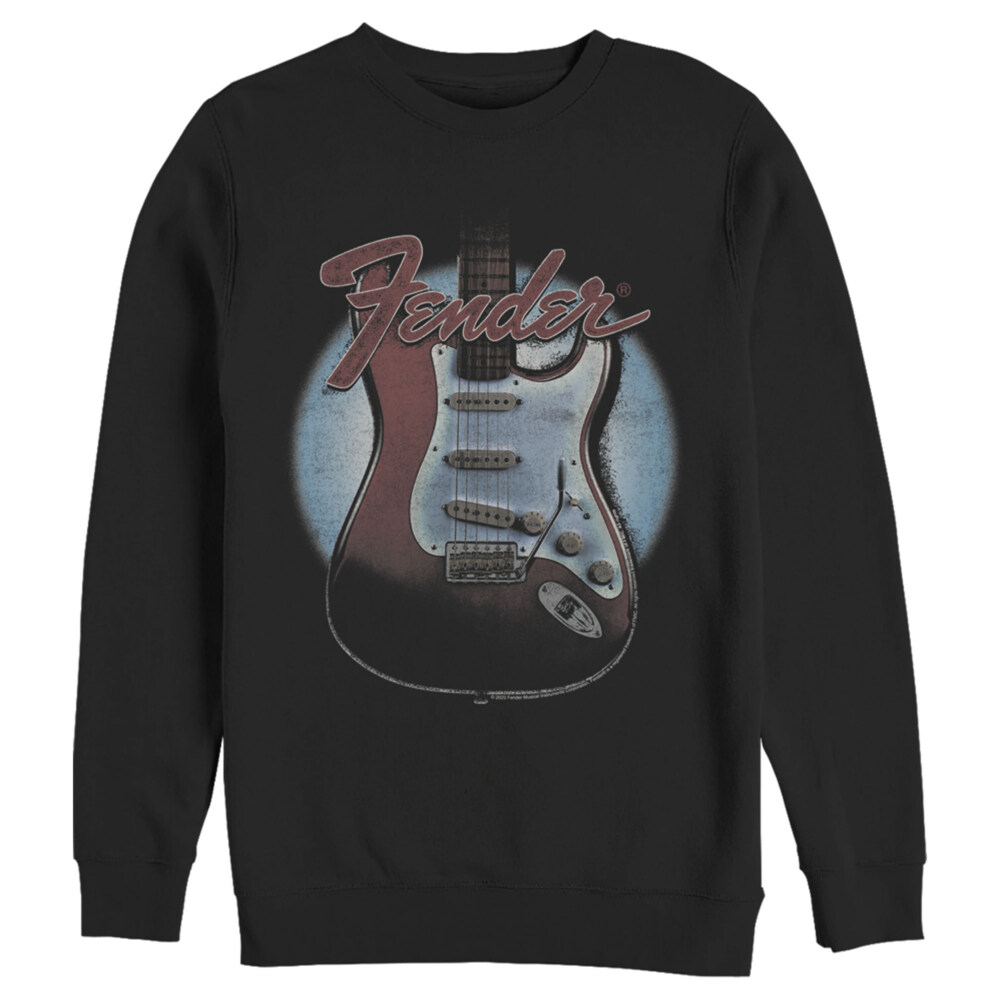
We guaranteed that every item of clothing is 100% properly licensed by the manufacturer, unlike unapproved vendors. This certification is essential because it guarantees that you will receive genuine Fender designs that meet stringent quality criteria, including the longevity of the fabric and the integrity of the logos. You're wearing an official piece of music history, not just a visual.
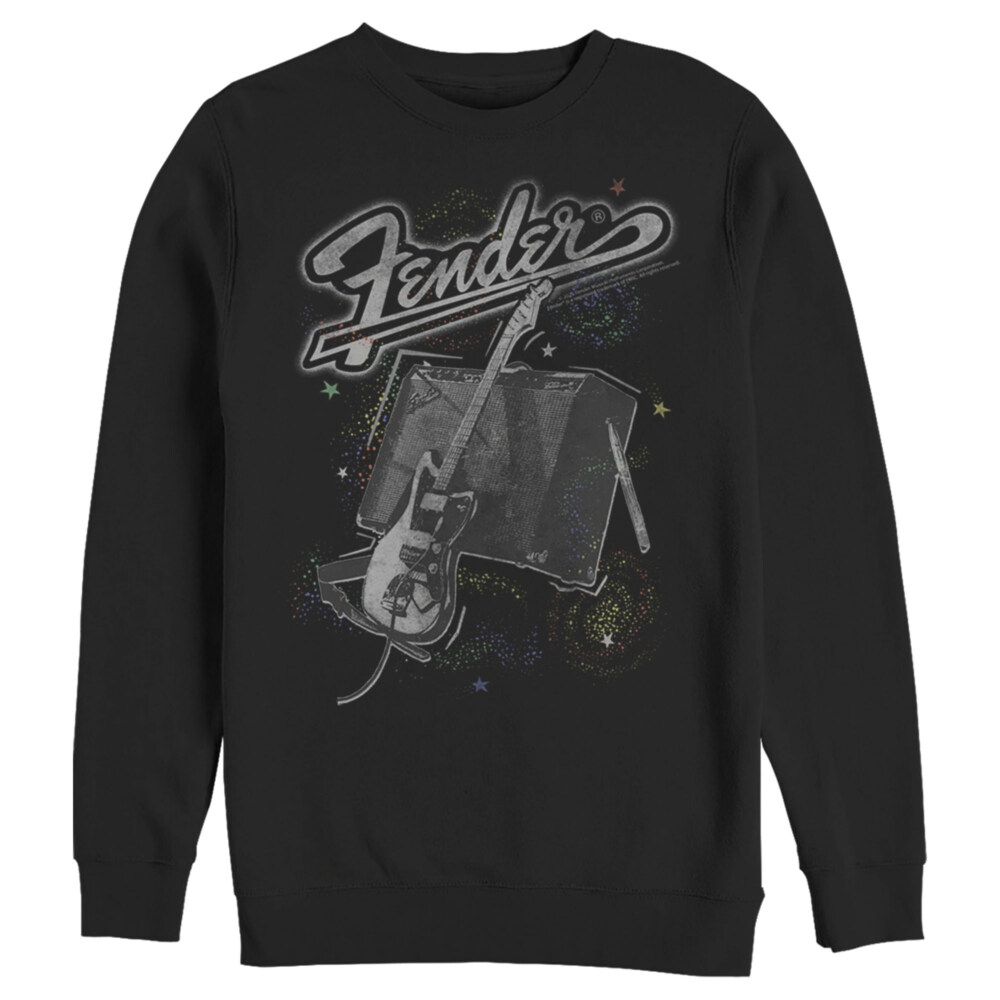
With our choice of iconic headstock designs and vintage model insignia (Strat, Tele), you can confidently and stylishly show off your love for the greatest Fender sound.

Gaining proficiency with the two-tiered Fender guitar naming system, from the model name to the series label, will enable you to select your instrument with assurance. From Squier to Custom Shop, each name signifies a distinct link to the most enduring legacy of musical brilliance and creativity in history.
Read more:
0 comment