
By [email protected] in Dec 16, 2025
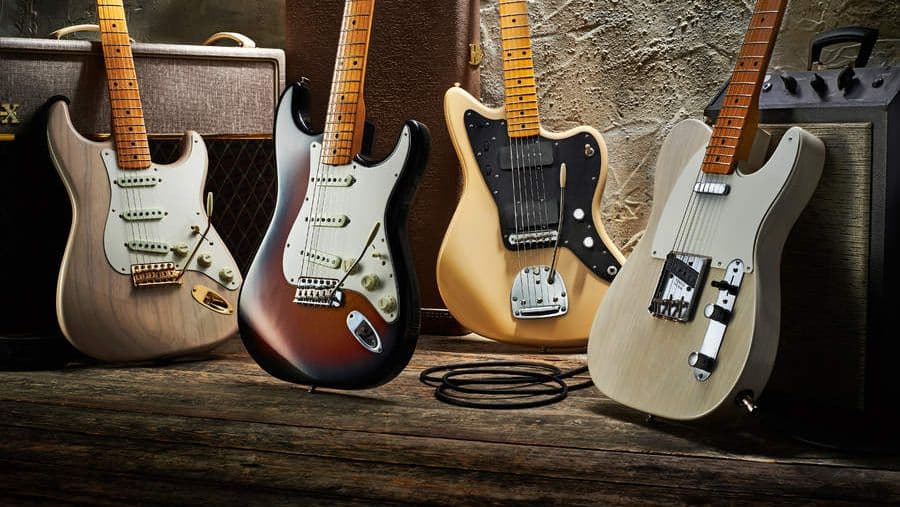
Whether it's a beloved Stratocaster or a vintage Telecaster, owning a Fender guitar is an investment in quality and tone. However, the subject of whether replacing a Fender is costly frequently comes up as things wear out or break. The answer is mostly dependent on certain conditions. This article helps you budget sensibly for the maintenance of your instrument by dissecting the real factors that influence repair and replacement prices.
Knowing the main factors that affect the price is crucial before you take your guitar to a repair shop or begin ordering parts. The cost of replacing a part on a Fender guitar is complicated and depends on the part's origin, the guitar's history, and the location of the job.
The tier of your instrument is frequently closely correlated with the cost of replacing parts and related labor. High-end components and unique building methods (such as particular nitrocellulose finishes or custom shop pickups) that need for more costly, accurate parts are features of American Professional or American Vintage II models.

On the other hand, replacements for the Player Series or Squier lines are typically less expensive because they use more mass-produced, standardized parts. The price is heavily influenced by the original component's quality and the intricacy of the build.

You must choose between price, tone, and long-term value when replacing a worn-out or damaged component on your fender. In addition to guaranteeing that the tone stays true to the original design, genuine Fender parts frequently preserve the instrument's warranty and resale value. They are more expensive, though. High-end aftermarket brands (such as Seymour Duncan or Gotoh) or third-party parts can be great, sometimes even providing better performance, but they may somewhat change the tone and compromise the guitar's authenticity if you intend to sell it later as "all original."
The location of the work has a significant influence on the cost. Although they frequently charge higher hourly rates, Authorized Fender Service Centers guarantee quality and only utilize authentic parts. Independent luthiers may have greater price flexibility and be able to provide unique solutions. Additionally, labor prices differ significantly by region; rates in large city centers are usually significantly higher than in suburban or rural locations. Due to limited supply, high demand or lengthy lead times (backlogs) at well-known stores can also quietly raise costs.

An additional level of intricacy is introduced by the instrument's age and finish type. Vintage-style nitro (nitrocellulose) coatings require delicate, specialized skills to blend and restore, increasing labor time and cost. In contrast, modern poly (polyurethane) finishes are robust and simple to fix. Any structural repairs or finish repair on a truly old instrument requires extremely specialized abilities to preserve the instrument's historical integrity and value, which results in far greater costs.
Having standards makes it easier to assess if an estimate is reasonable or whether the repair indicates more serious problems that would be too costly to justify, even though individual prices vary greatly.
The most popular and reasonably priced setup involves changing neck relief, motion, and intonation. Playability is restored by fret leveling and crowning, which is a mid-range cost.
The cost of replacing a whole neck, which is frequently caused by severe warping or damage, depends greatly on the quality of wood and finish of the neck (for example, a genuine American Professional neck replacement will be far more expensive than a generic component).

Installing premium, hand wound, or Custom Shop pickups can be expensive, but replacing a conventional pickup (such as a single coil on a Stratocaster) is a straightforward replacement. Unless complicated custom wiring is required, rewiring or replacing parts like pots and switches is a common, inexpensive electrical repair. To preserve the desired Fender sound, always make sure the wiring is intact.

Replacing strap buttons or tuning devices is a little hardware cost. However, changing a whole bridge system, especially specialist parts like a high-end locking tremolo or a particular Telecaster bridge, can result in expensive part costs, as well as labor-intensive setup and calibration.
Repairing a poly guitar's cosmetic finish damage is mild, but repairing significant structural cracks or serious damage necessitates a lot of labor from a luthier and is sometimes the most costly sort of repair, possibly surpassing the worth of entry-level guitars.
The Cost Crossover Point is the most important thing to look out for. It is frequently more cost-effective and less stressful to think about replacing the entire instrument rather than mending it if the total expected cost of replacement or repair reaches 75% to 80% of the instrument's current resale value (for example, $1,000 in repairs on a guitar worth $1,300).
It’s not necessary to spend a fortune on Fender guitar maintenance. You may save money while preserving the tone and dependability of your instrument by using smart maintenance and sourcing.
Learn basic setup: Learn fundamental Setup: You can save a lot of money over time by eliminating the need for frequent paid setups by becoming proficient in fundamental adjustments like action height, intonation, and truss rod tuning.
Go Independent for Labor: Independent local luthiers frequently offer superior quality at lower hourly rates than large authorized centers for non-critical, routine repairs (such as electrical soldering or minor fret work). Always request to view their prior work.
Buy used genuine parts: Look for used original Fender parts on reliable internet forums or marketplaces for pricey, non-cosmetic items (such as complete necks or bridge plates). Authenticity and quality are obtained without the new premium price tag.
Prioritize tone: If money is tight, always spend more on parts that directly affect the sound of your Fender (like as pickups and pots) than on simply decorative pieces.
After spending time caring for your prized Fender guitar, you deserve to showcase your passion and dedication to the legacy of Fender sound in style and comfort. Only the comfort and genuine style of our clothing can compare to the feel of a premium Fender. Fendory is proud to launch its Official Licensed Fender Guitar Sweatshirt Collection

The designs are licensed so the logos and artwork respect Fender’s legacy, and the materials are chosen for comfort during rehearsals, travel, and everyday wear.

These sweaters are ideal for staying cozy during a lengthy practice session or for wearing in the studio or at a performance. Each sweatshirt honors the history of the Telecaster and the Stratocaster with official Fender emblems and motifs. They are luxurious, comfortable, and instantly convey to the world your appreciation of genuine musical brilliance and iconic design.

Don't let the maintenance costs get you down. Treat yourself to the warmth and style of a classic.
Head over to Fendory today to explore the Official Licensed Fender Guitar Sweatshirt Collection and wear your passion for legendary tone
So, is replacing a Fender expensive? It might be, but only if you're not ready. The model of your guitar, the authenticity of the parts, and the level of labor expertise all directly affect the price. You can safeguard your investment, preserve that iconic Fender feel, and keep your Telecaster or Stratocaster singing for decades to come by knowing the Cost Crossover Point and using wise maintenance techniques, such as learning fundamental setups and giving genuine Fender parts priority for tone.
Read more:
0 comment