
By [email protected] in Apr 25, 2025
Despite its overwhelming popularity in the late 20th century, Rugrats eventually faded from the screen. This led to many open questions, one of them being, “Why did Rugrats get cancelled?” In this blog post, we’ll discover the hidden reasons behind the downfall of this beloved cartoon, from internal factors to external explanations that led to the unexpectedly sad ending of an era.
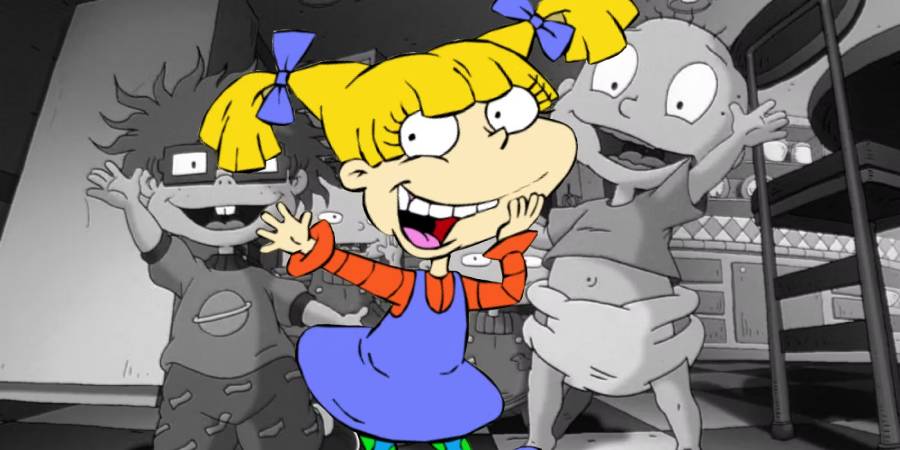
A major reason causing a gradual downfall of Rugrats was creative disagreement among its co-creators. According to a two-million-follower YouTuber named Saberspark, Arlene Klasky and Paul Germain failed to reach an agreement on the content direction of the show.
From Klasky’s perspective, she wanted the babies to act more like real infants, focusing on expressing their innocence through everyday experiences. In contrast, Germain believed plot twists and well-developed characters played a leading role in making Rugrats a game-changer in the animation industry.
There was also one character in particular who was the center of many discussions: Angelica Pickles. Klasky did not express her welcome to the character much. At first, she had no idea of creating and developing this character. Meanwhile, Germain viewed Angelica Pickles as an indispensable part of the Rugrats series. As a result, Germain and his team left, leading to an obvious change in this animated TV show's style. Despite the later appearances of new characters like Dil and Kimi, the show still decreased in quality and viewer interest.
As we can see, the older the audience gets, the more diverse their taste in TV shows becomes. When it comes to Rugrats’ viewers, there was a significant shift in audience preferences during the early 2000s. Firstly, those who grew up with Rugrats expressed their favor for a more mature content direction. Secondly, new generations of viewers seemed attracted by faster pacing and more surreal humor in animated TV, such as SpongeBob SquarePants and The Fairly OddParents. These factors combined and caused Rugrats to fade from the spotlight gradually.
Additionally, Nickelodeon recognized these changing preferences and decided to pivot its focus. Instead of renewing Rugrats, the network pushed for the spin-off All Grown Up, which aged the characters to appeal to the audience that had grown up with the original series. All at once, the network’s programming schedule was increasingly crowded with new hits, making it harder to keep Rugrats in its lineup.
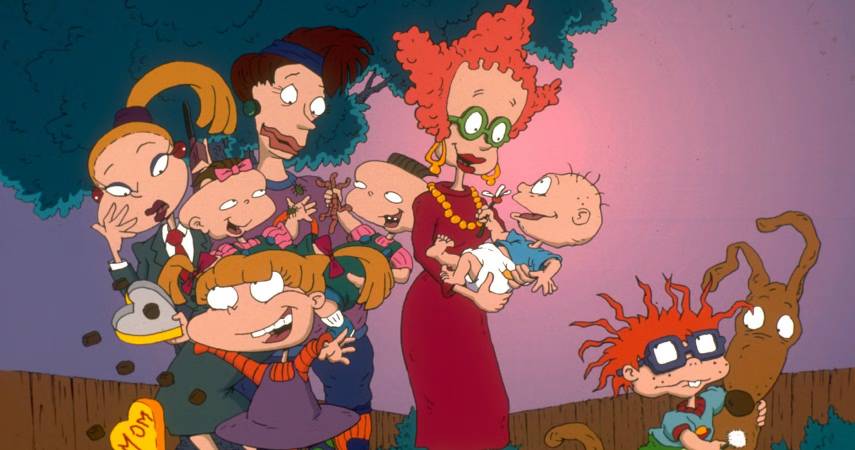
It’s no exaggeration to say that reduced ratings significantly influenced Rugrats, leading to its cancellation in 1994. This TV show saw a noticeable drop in viewership due to both internal and external issues (mentioned above). Even though the production team tried to improve storylines by introducing new characters, like Dil and Kimi, the situation did not seem to improve.
In addition, Nickelodeon’s focus moved toward spin-offs like All Grown Up!, which targeted the aging original fans, further reducing attention on Rugrats. That was why Nickelodeon came to the conclusion to cancel the show.
After the explosive success of All Grown Up!, Nickelodeon decided to launch a spin-off of this series. In this show, the characters were classified into pre-teens and teenagers to make the audience who accompanied the show during their childhood feel related because they all grew up at that time.
Obviously, this major shift forced Klasky and Csupo to prioritize the spin-off over the original series. Additionally, according to reliable sources, Nickelodeon demanded that the production team stop working on Rugrats to fully focus on All Grown Up!. Therefore, it contributed directly to the cancellation of the main show.
Nickelodeon’s vision to expand the franchise by aging characters through the “All Grown Up!” series showed their intention to retain old viewers who grew up with the original series. However, it also marked the end of “Rugrats”. This transition reflected Nickelodeon’s broader programming focus on youth-targeted content and franchise expansion. All these combined and led to Rugrats’ drop.
Another key factor behind Rugrats’ cancellation lay in Nickelodeon’s evolving programming strategy. In the early 2000s, this channel began targeting an older demographic, researching to build up teenage characters, and sharpening content direction to stay ahead of the animation industry at that time.
In addition, Nickelodeon wanted to invest more in "marketable" properties like toys, clothing, and other consumer products that could help to generate high revenue beyond TY ratings. Nickelodeon’s future vision also included investing more in spin-offs like All Grown Up! and other animated series with a different concept. As a result, Rugrats, despite its iconic status, no longer aligned with the network’s long-term vision and was gradually faded out.
In conclusion, there were several reasons to answer the question “Why did Rugrats get cancelled?” However, this classic TV show has remained an iconic cultural touchstone for a generation of American children who grew up in the 1990s. Its enduring legacy and meaningful messages continue to resonate, ensuring the fact that Rugrats will never fade out in the hearts of its fans.
If you're a big fan of Rugrats and are searching for the perfect piece of merchandise to truly show your love for this iconic series, Fendory’s Rugrats T-shirt collection might be an ideal choice. Explore now and grab your favorite one today.
Read more
0 comment