
By [email protected] in Apr 26, 2025
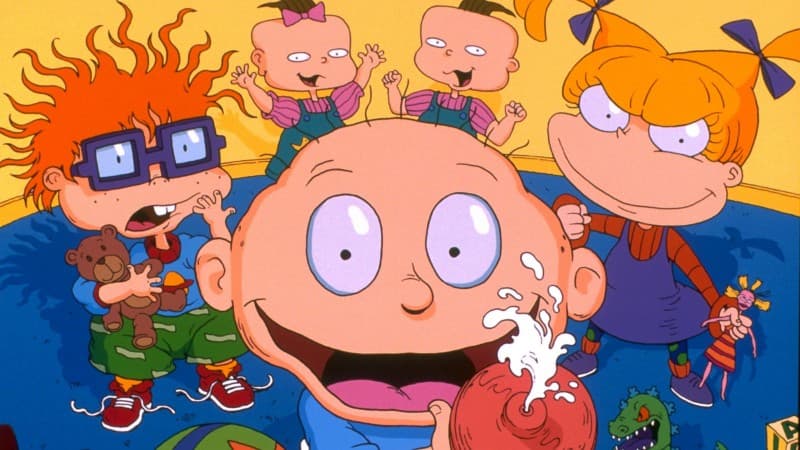
To 90s-born people, Rugrats is not merely a cartoon; it's a stroll down memory lane to the world of colorful babies and toddlers. But do you ever wonder, what is the story behind Rugrats? From its origins to becoming an iconic Nickelodeon classic, the history of Rugrats is an engaging combination of creativity, innovation, and the magic of imagination. Let's dive into the history of this iconic show and find out how it won the hearts of the audience across the world.
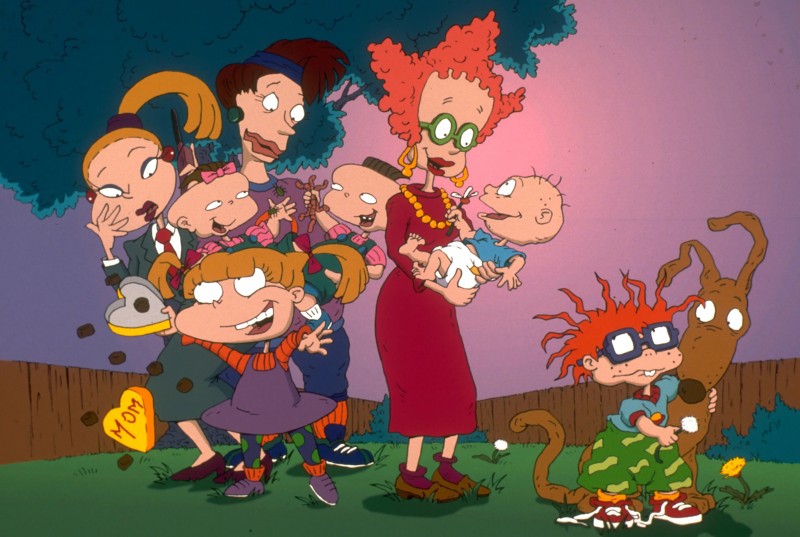
Rugrats was Nickelodeon's most popular show, running from 1991 to 2004. The show followed the everyday adventures of a group of toddlers — Tommy, Chuckie, Phil, Lil, Angelica, and later Susie — as they tried to make sense of the world through their completely insane imaginations.
The series explores friendships, family life, and the transition to adulthood, which are often expressed in the misreading by children of adults' words and actions. These misreadings, plus the antics of their cousin Angelica, more often than not lead to humor and suspenseful adventure.
Rugrats was not only a great cartoon but also a major 1990s pop culture phenomenon. With its innovative perspective from a kid's eye, Rugrats changed the way children's cartoons were made, presenting stories that were personal, humorous, and yet perceptive about the children's universe.
The creators of the Rugrats are Paul Germain, Gábor Csupó, and Arlene Klasky. Specifically, Klasky, an American graphic designer, and Csupó, a Hungarian animator, collaborated in the arena of animation, later marrying, and founded Klasky Csupo in 1982. They then worked with experienced TV producer Paul Germain to develop the show.
For the idea, Klasky drew inspiration from observing his own little children and wondering, "If babies could talk, what would they say?" Germain then developed even further and theorized that babies could speak to each other but not to adults, and he contributed heavily to the growth of the character and story, including naming Tommy after his son.
As a result, their vision was to create a children's voice animated series that looked at the wonder children felt about the world. And thanks to their fresh creativity and a range of individual strengths, Rugrats became the most influential and beloved animated series ever to appear on children's television.
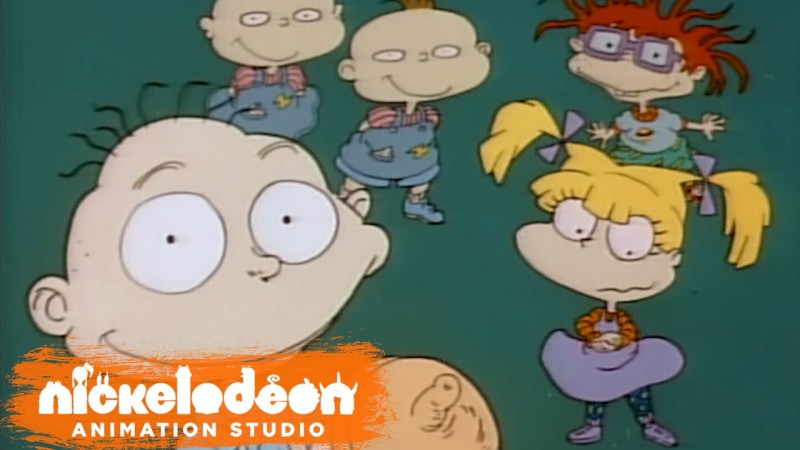
Klasky Csupo sold Rugrats to Nickelodeon in 1989, when the network was seeking fresh material for its then-new Nicktoons programming block. The network wanted to gamble on new writers and the new concept of babies seeing the world from their own perspective.
In particular, the pitch includes a six-minute animated short that introduces Tommy Pickles and his discovery of the toilet, taking a new and humorous take on childhood discoveries. The show was then commissioned by Nickelodeon along with Doug and The Ren & Stimpy Show, and all three in 1991. Nickelodeon gambled everything on the uniqueness of the pilot, gambling to commission 65 episodes at once. This was a huge thing at the time for the network.
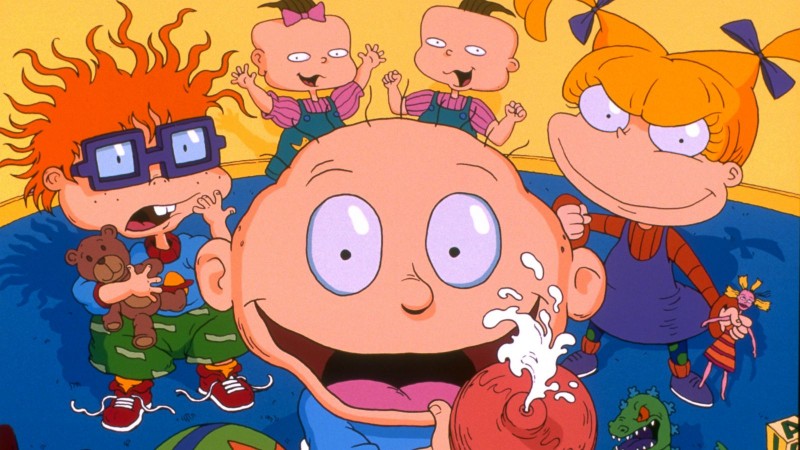
The writers of Rugrats used a great deal of personal experience and observation of the kids in creating realistic characters from their own parenting lives. Specifically, they exaggerated some of the characteristics to make the kids more adventurous and imaginative:
Tommy Pickles: Tommy was modeled quite closely after Arlene Klasky's son. Being the main character, Tommy is curious, a leader, and has a sense of justice.
Chuckie Finster: Chuckie is the anxious alter ego to Tommy Unger and represents the nervous and anxious side of toddlerhood. He is a well-known character because of his wild red hair and purple glasses.
Angelica Pickles: Angelica was created out of the toddler bullies with an assertive personality who always fought with Tommy. Angelica's character creates tension and comedy on television by always bossing around the smaller babies.
Phil and Lil DeVille: The twin brothers were created to create strange humor and play with sibling relationships. Their similar outfits and almost identical look, contrasted with different personalities, allowed room for comedic situations and noticeable differences in a twin relationship.
Dil Pickles: Dil, the younger brother of Tommy who was introduced later on in the series, represented the thrills and irritations of acquiring a new brother.
Susie Carmichael: Susie brought positive traits of sweetness, intelligence, and maturity to the cast. Susie balanced out and even rebelled against babies in the storylines by plotting against Angelica a couple of times.
The authors of Rugrats had some problems with creating the show:
Nickelodeon's skepticism: Nickelodeon executives were skeptical about whether a show about babies would be of interest to children. They wondered if the younger audience would identify with toddlers or care enough to watch them.
Animation: Animation was also an issue. Since recording expressive toddlers on a shoestring budget meant thinking outside the box, the crew had to accomplish realistic baby movements and facial expressions without exceeding the budget.
Creative differences: Arlene Klasky and Paul Germain disagreed on Angelica's personality. Specifically, Klasky thought she was too mean, while Germain loved her obnoxious nature, which added depth and reality to the show. These differences set the tone of the show and even caused Germain to leave during its first run.
Pressure to stand out: There was immense pressure to compete with traditional cartoons and stand out in Nickelodeon's new Nicktoons lineup. This pressure led the creators to take shortcuts, employing a narrow line of balancing humor and emotional storytelling to create a show both kids and adults would enjoy.
Rugrats became an instant hit with children when it was first broadcast in 1991. It drew children to it with its cool plot and the cute adventures of Tommy, Chuckie, and his gang.
By the mid-90s, Rugrats was a pop culture phenomenon, adored by kids for its smart and great adventures and adored by adults for its smart and sensitive programming. During its highest point of popularity, Rugrats attracted millions of viewers per episode, rating-breaking numbers for one-time specials like marathons.
Ultimately, the series was both commercially and critically successful, earning several awards, such as a series of Daytime Emmy Awards. This success continued in feature films, such as The Rugrats Movie (1998), which had over $100 million at the box office.
A number of influential behind-the-scenes tales influenced the production and history of Rugrats:
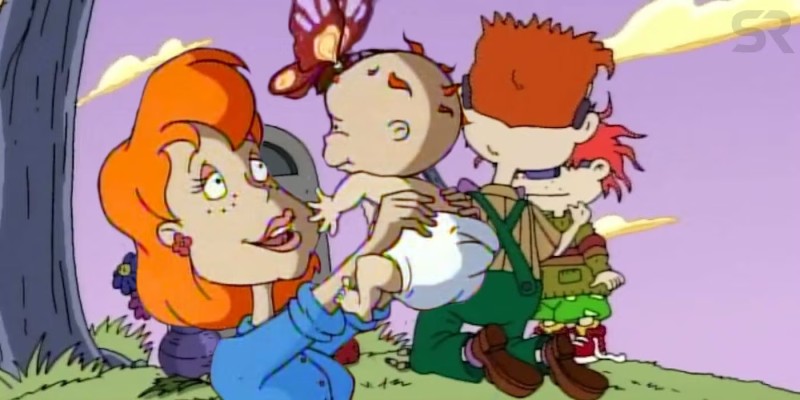
The 1997 episode "Mother's Day" even addressed the sensitive issue of Chuckie's mother's death, as Paul Germain was sensitive enough to allow a topic on loss. This touching story moved audiences and sealed the show's commitment to addressing emotionally challenging issues.
Gábor Csupó pushed for a raw style of animation with bent lines and über-exaggerated movement, a visual necessity of Rugrats. Arlene Klasky concentrated on adding realistic family dynamics, such as Stu Pickles' bizarre inventions, to create more relatable humor on a daily basis.
One of the most famous imagination wars was over the character of Angelica. Some designers believed that they needed to tone down her brattiness, but others, such as Paul Germain, believed that her manipulative attitude and nature brought richness and value. That imagination war produced one of the longest-lived and most iconic characters on the show.
Thus, from this article, we can learn, "What is the story behind Rugrats?" Essentially, Rugrats was a testament to the vision and risk it took to reinvigorate children's television in the 1990s. Find this article helpful? Visit Fendory.com to get your favorite information on a variety of topics and explore our officially licensed Rugrats t-shirt collection!
Read more
0 comment