
By [email protected] in Jan 22, 2026
Diversity is a key component of storytelling in the MCU's current age. However, Marvel's queer heroes were hidden for many years. Learn about the trailblazers who broke through the Comics Code to create the representation that exists today.
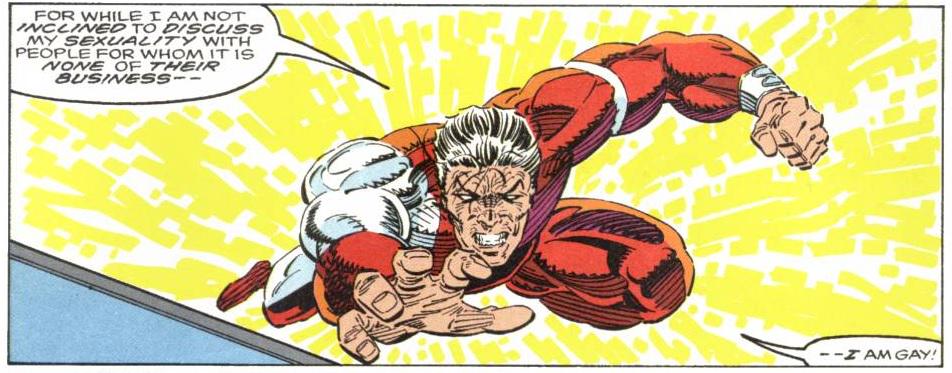
Northstar, as known as Jean Paul Beaubier, is the most commonly recognized mainstream response. In Alpha Flight 106 in 1992, Northstar made history as the first openly gay character to appear in a Marvel Comics book.
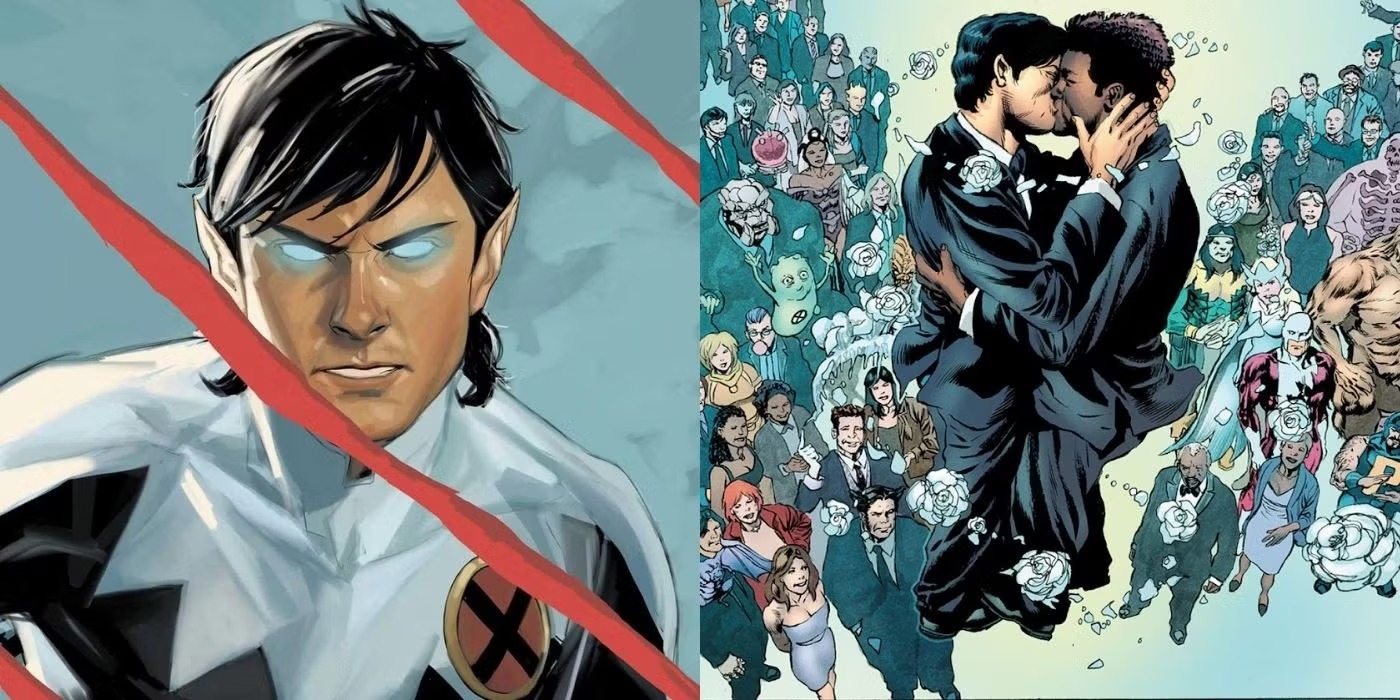
The date is interesting because Northstar was originally introduced in 1979 and his on-page release occurred more than ten years later. Starting with Alpha Flight and then making appearances in more general X Men stories, Northstar remained a well-known figure in the Marvel mutant area over those years, which helped his coming out land as a significant mainstream moment rather than a brand-new character reveal.
The early portrayal of Northstar is frequently used to illustrate how representation functioned despite limitations. According to Wikipedia's publication history, there was creative intent, but the character's sexual orientation could only be inferred rather than explicitly stated. In actuality, this meant that although the text avoided confirmation, readers saw cues and coded moments. Northstar's subsequent remark felt like a release of pressure that had been accumulating for years because of that gap.
This is also the reason that the topic of "first LGBT character" can be discussed informally. Readers will point to prior subtext throughout Marvel's history if you're referring to the first queer-coded character. Northstar continues to be the pivotal historical landmark if you mean that Marvel first publicly acknowledged it in the narrative.
Because Northstar makes it clear that he is gay, Alpha Flight 106 is sometimes recognized as the pivotal moment, transforming Marvel representation from inference to confirmation in a popular game. The issue sold out fast and attracted widespread notice, according to Wikipedia, demonstrating how culturally charged the early 1990s were.
Although it did not immediately improve representation in comics, it set a precedent that may be expanded upon in succeeding works. Additionally, it changed the way fans discussed Marvel's metaphor of mutants. Identity and distinction have always been significant concepts in the X-Men universe, and Northstar's release made that metaphor more tangible and apparent inside Marvel continuity.
Marvel's LGBTQ+ history expands after 1992, with more characters being out identified and relationships receiving greater narrative weight. A few arcs were brand-new. Others were persistent subtexts that, as audience expectations and editorial guidelines evolved, progressively became more overt.
One of the main examples of such a lengthy journey is Mystique and Destiny. According to Marvel's own editorial feature, their romance has shaped X-Men history for many years and continues to play a significant role in contemporary fiction.
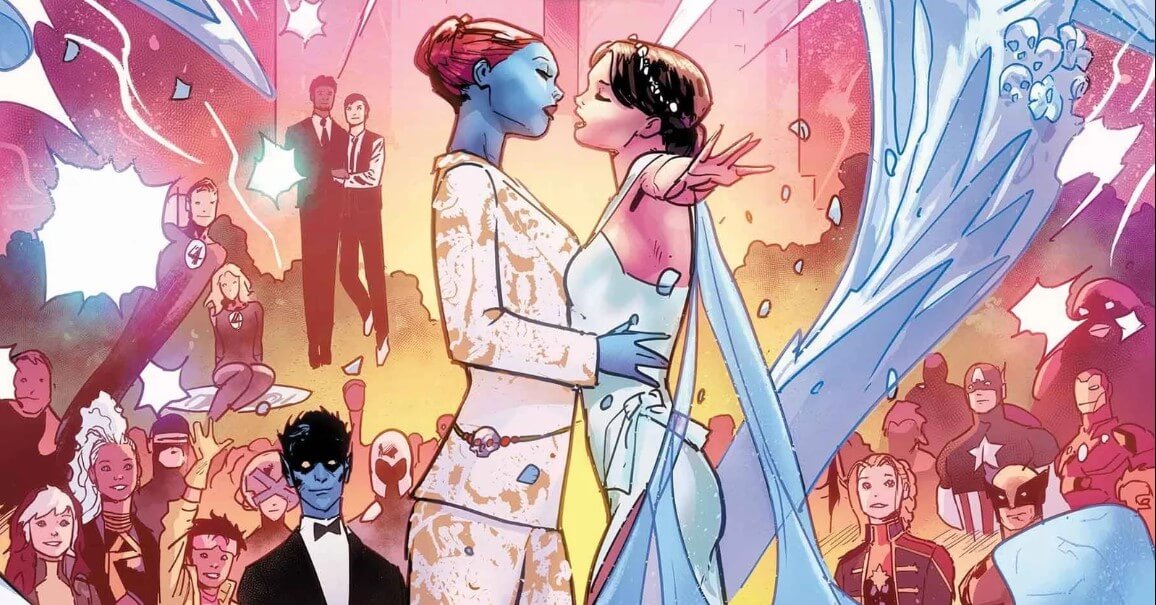
Here, context is important. According to summaries of their past, explicit queer characters were discouraged by laws and regulations in earlier times, which influenced how their relationship could be portrayed for years. This is why their connection became a crucial component of Marvel's representation discussion for many readers: it shows how subtext can be potent but also how long it can take for subtext to be publicly acknowledged.
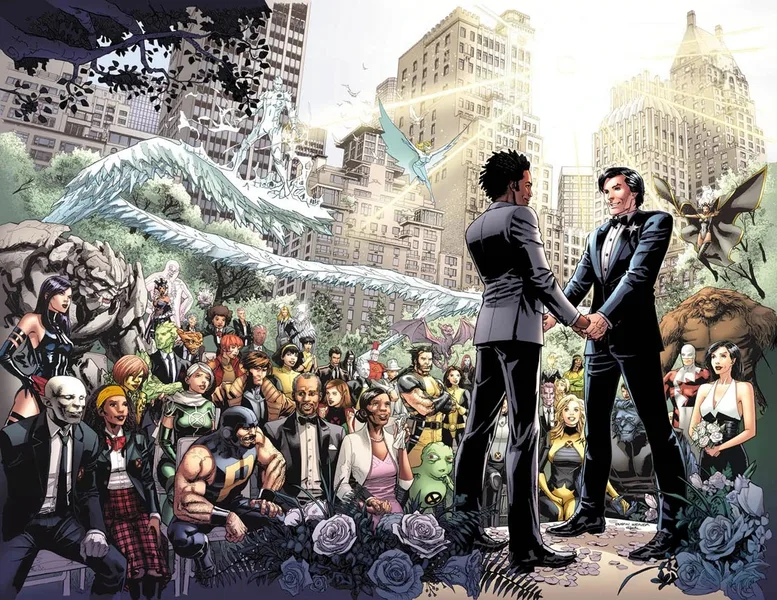
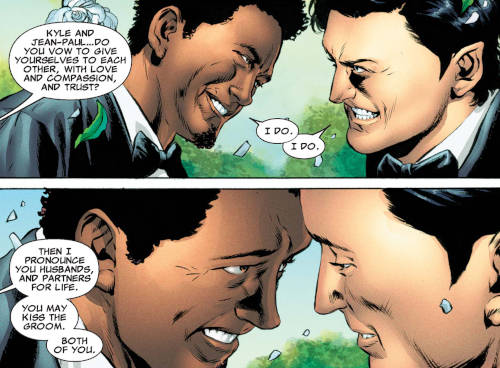
The transition to on-page commitment following Northstar's disclosure was a significant public turning point. In 2012, Northstar wed Kyle Jinadu in Astonishing X Men 51, which was widely reported in mainstream comics as a historic same-sex marriage. Crucially, this wedding was not presented as a ploy. In the Marvel universe, it was viewed as a life event, indicating a wider acceptance of LGBTQ+ characters in lengthy narratives.
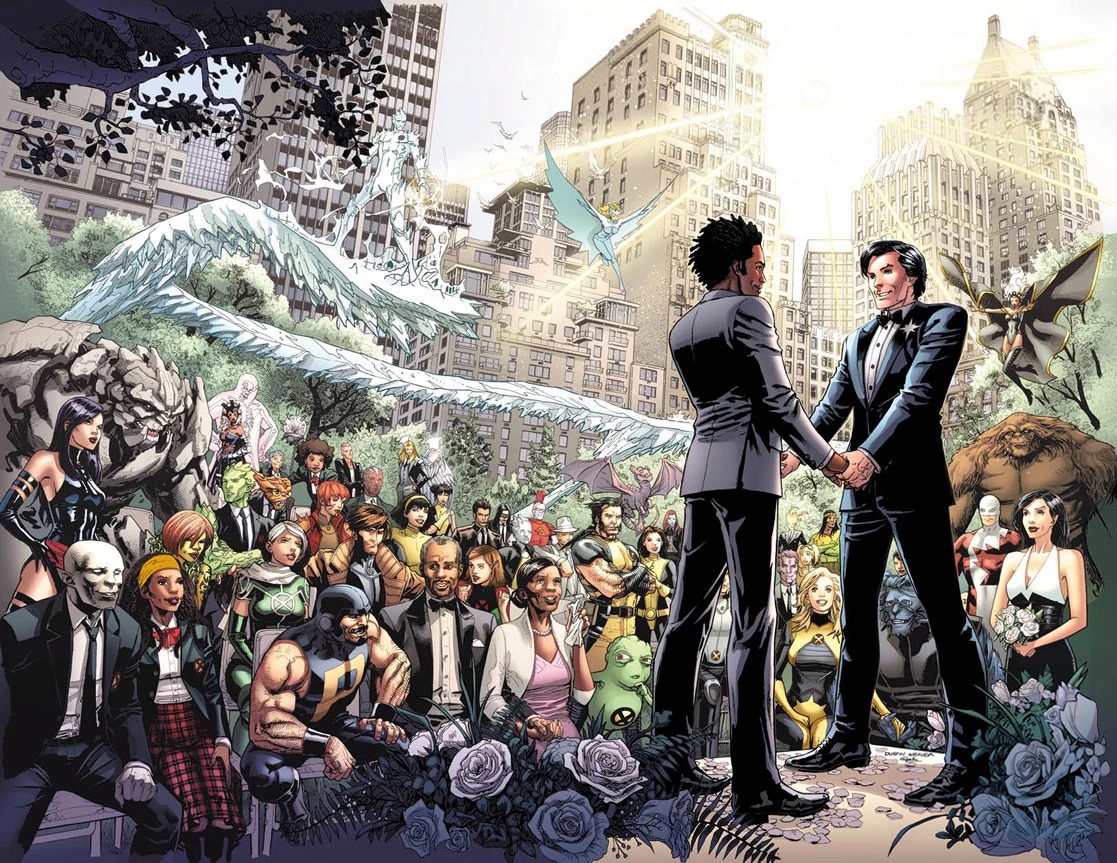
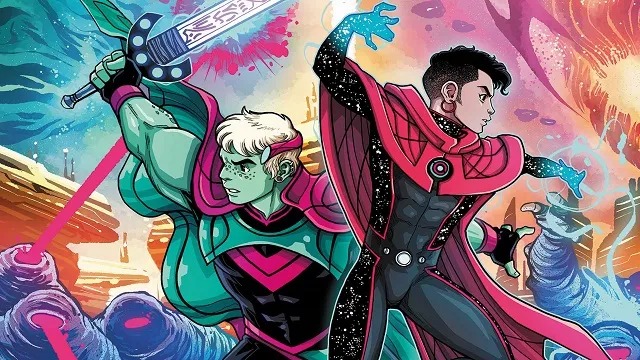
Later, during Empyre, Marvel portrayed a same-sex union between two superhuman characters, Wiccan and Hulkling. Because both partners are superheroes while Northstar's husband Kyle is not a superhuman, the coverage called it a first for Marvel. When taken as a whole, these turning points demonstrate development: a publicly declared identity, a public pledge, and increased representation in additional areas of the Marvel Universe.
Because blockbusters are designed for international audiences and executives frequently choose the safest possible portrayal, on-screen representation progressed more slowly. Early MCU achievements were occasionally modest. The first openly gay character in the MCU, played by Joe Russo, appeared in a brief support group scene in Avengers Endgame, according to entertainment media.
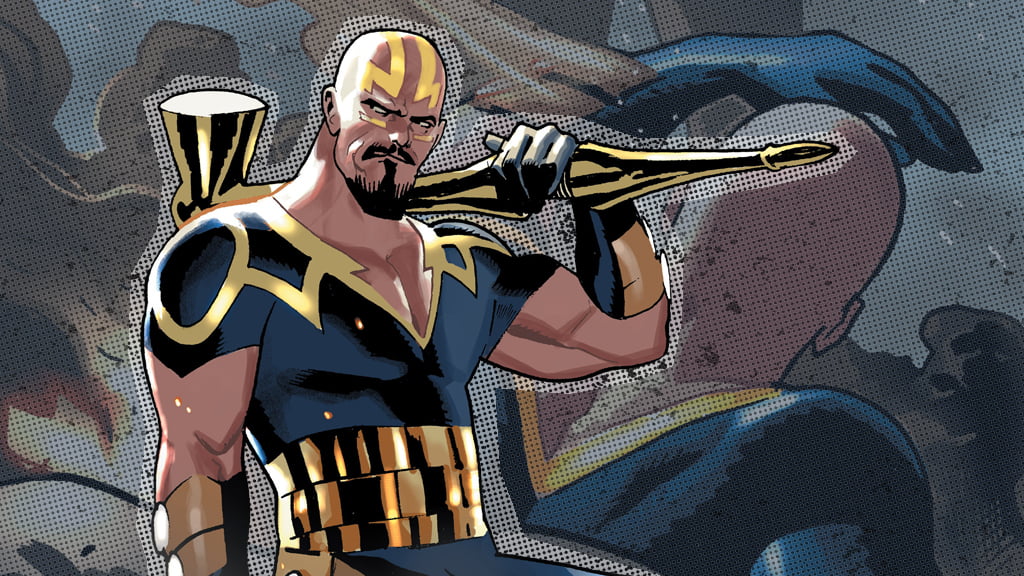
Eternals, which showed Phastos living freely with his spouse and child, was a bigger advance. According to some, Phastos is the first openly gay superhero portrayed in an MCU movie, shifting representation from background recognition into a character's domestic life.
Additionally, Disney+ made more space for direct communication. Time presented a sequence in which Loki affirms his desire to both men and women as a significant step toward LGBTQ+ representation in the MCU's main characters. These instances demonstrate a slow transition from fleeting recognition to more prominent, character-focused representation, despite ongoing pressure from fans and critics for Marvel to go farther.
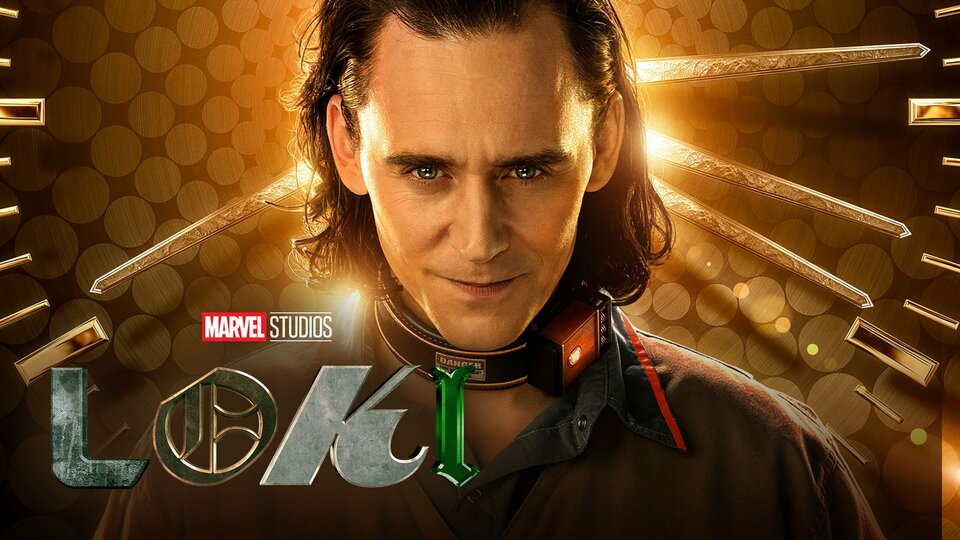
Official licensed Marvel merchandise is easiest to buy when the store is transparent. The indications that distinguish authentic Marvel items from the never-ending flood of online bootlegs include clear product photographs, clear licensing wording, and explicit restrictions.
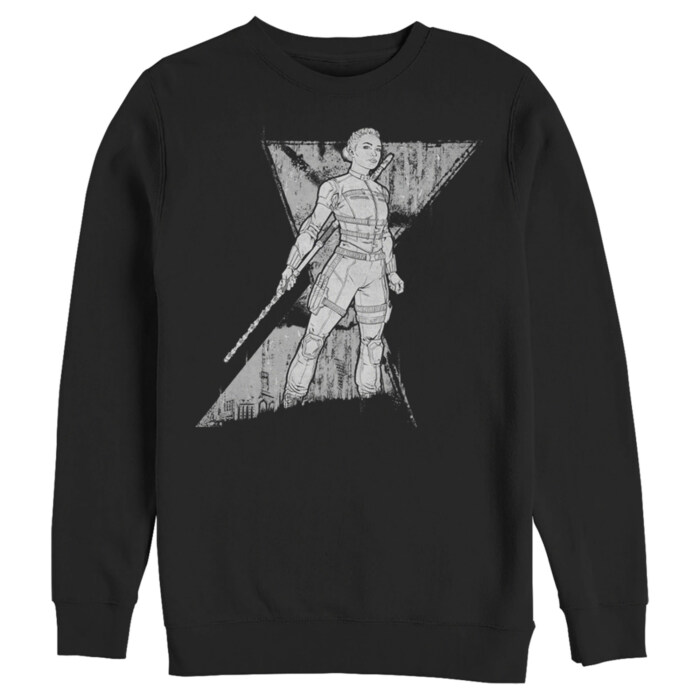
Fendory proudly offers officially licensed Marvel merchandise and clothing because we treat Marvel products as real clothing, not souvenirs. Particularly when purchasing online, you can see details about the fabric, comprehend the style, and select the size without having to make assumptions.
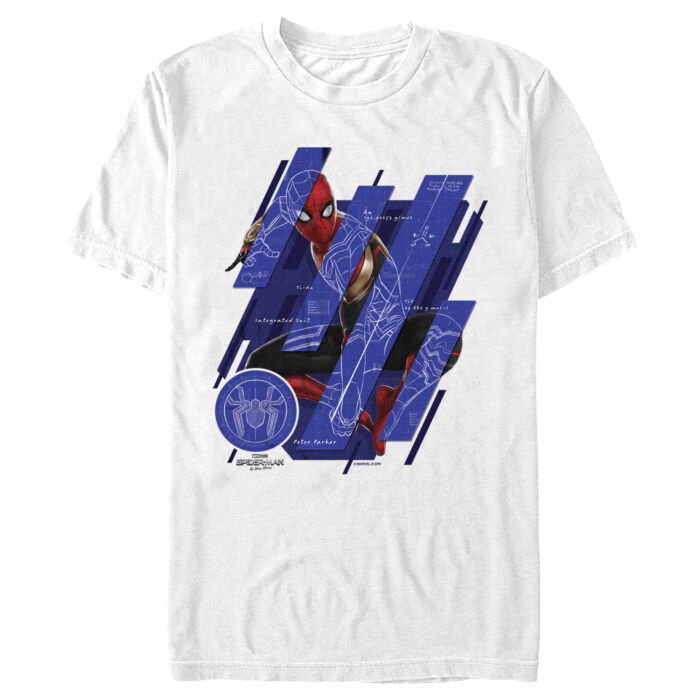
Until the thing is delivered, fake listings frequently appear genuine. Keep an eye out for ambiguous titles, contradictory photos, and unusually low costs that don't correspond with typical clothing manufacture. Typically, licensed products have uniform branding and product details that are the same for all variations, colors, and sizes.
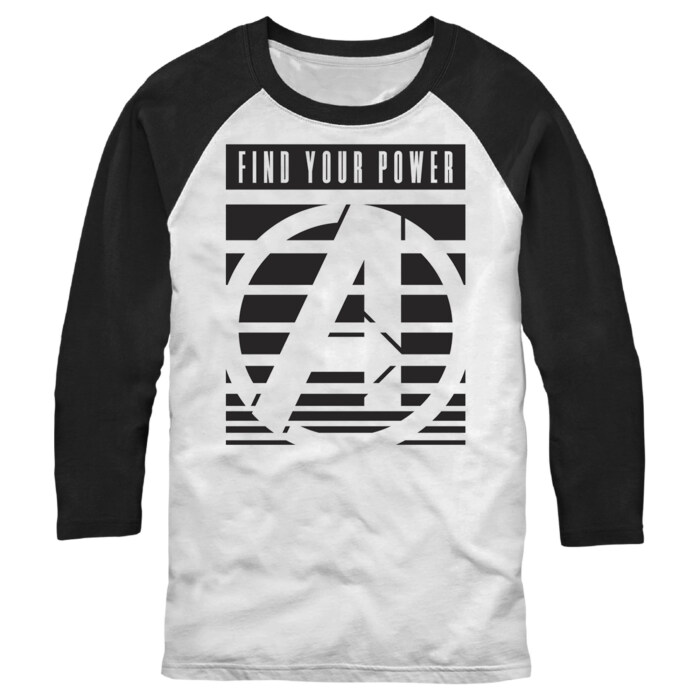
Marvel merchandise is valuable because of its quality. Look for stitching that feels sturdy, prints that remain sharp after washing, and fabric that maintains its shape. Reputable merchants expect their consumers to make confident purchases rather than take chances, thus a clear returns policy and a trustworthy sizing reference are other useful quality indicators.
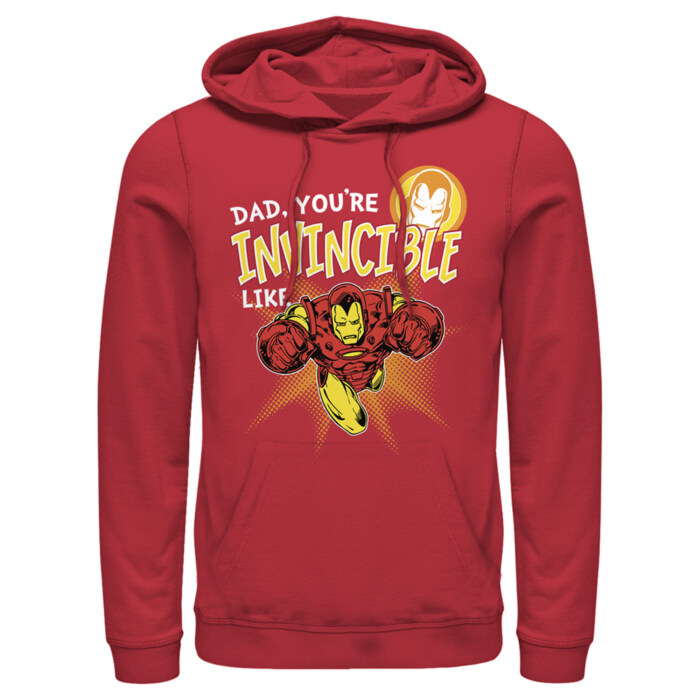
Marvel designs are most fulfilling when they are applicable to everyday situations. You will actually wear the item rather than save it for a special occasion because minimal logos, crisp character symbols, and balanced layouts tend to function across numerous ensembles. Wearable Marvel items that look excellent beyond a single fashion cycle are what Fendory should focus on.
With Alpha Flight 106 in 1992 serving as the historic turning point, Northstar is sometimes considered as Marvel's first openly gay character to come out in the text. Marvel's LGBTQ+ presence has gradually increased over time, from the lengthy arc of Mystique and Destiny to the MCU's slow advancement.
Read more:
0 comment