
By [email protected] in Jan 22, 2026
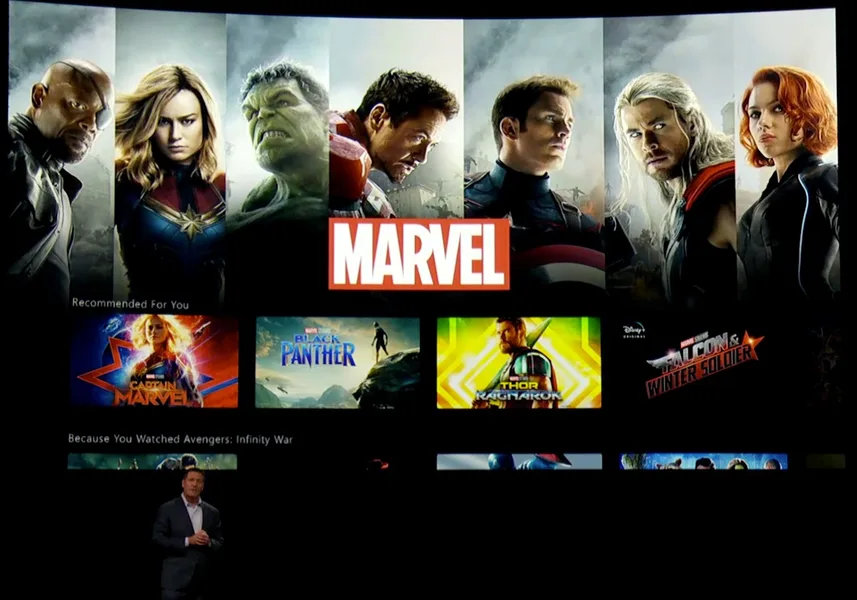
A financial behemoth is hidden underneath the heroic struggles and cinematic spectacles. But "Marvel revenue" is a multi-layered term that includes internet platforms, toys, and movies. This is a detailed analysis of Marvel's business.
In public discourse, the word "revenue" is frequently used imprecisely, resulting in exaggerated or misinterpreted financial claims. The money customers spend at the box office, the strategic worth of content on Disney+, and the royalties Disney earns from international licensing partners are all important factors to consider when evaluating Marvel's performance.
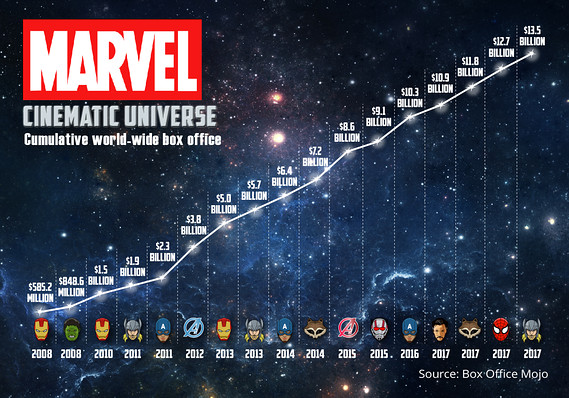
The total amount of money received from ticket sales is known as the box office gross. Although it makes headlines, it does not represent the studio's earnings. A significant portion is retained by theater owners, with the remaining going to the studio under distribution arrangements that change according to the market and time period. The studio eventually receives between 50% and 55% of box office receipts, with theaters keeping the remaining amount, according to a well accepted rule of thumb.
For this reason, a "one billion worldwide" film does not imply that Disney or Marvel "made one billion." The source of the funds is equally important. Overseas splits are frequently lower than domestic ones. The Hollywood Economist's widely used benchmark states that studios typically keep 40% of foreign box office earnings. The useful lesson is that studio revenue is a smaller, more changeable subset, but box office gross is best viewed as a scale signal.
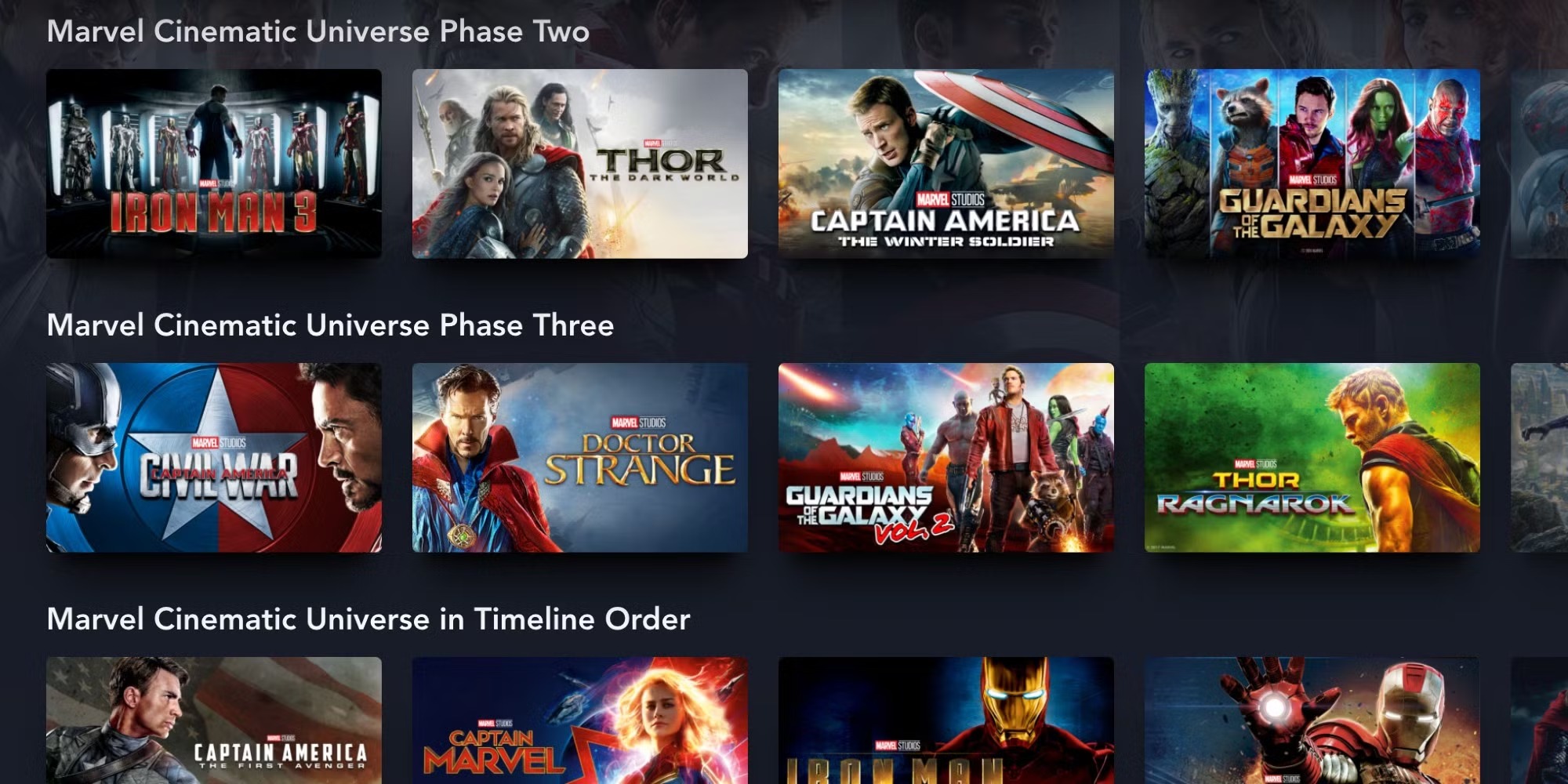
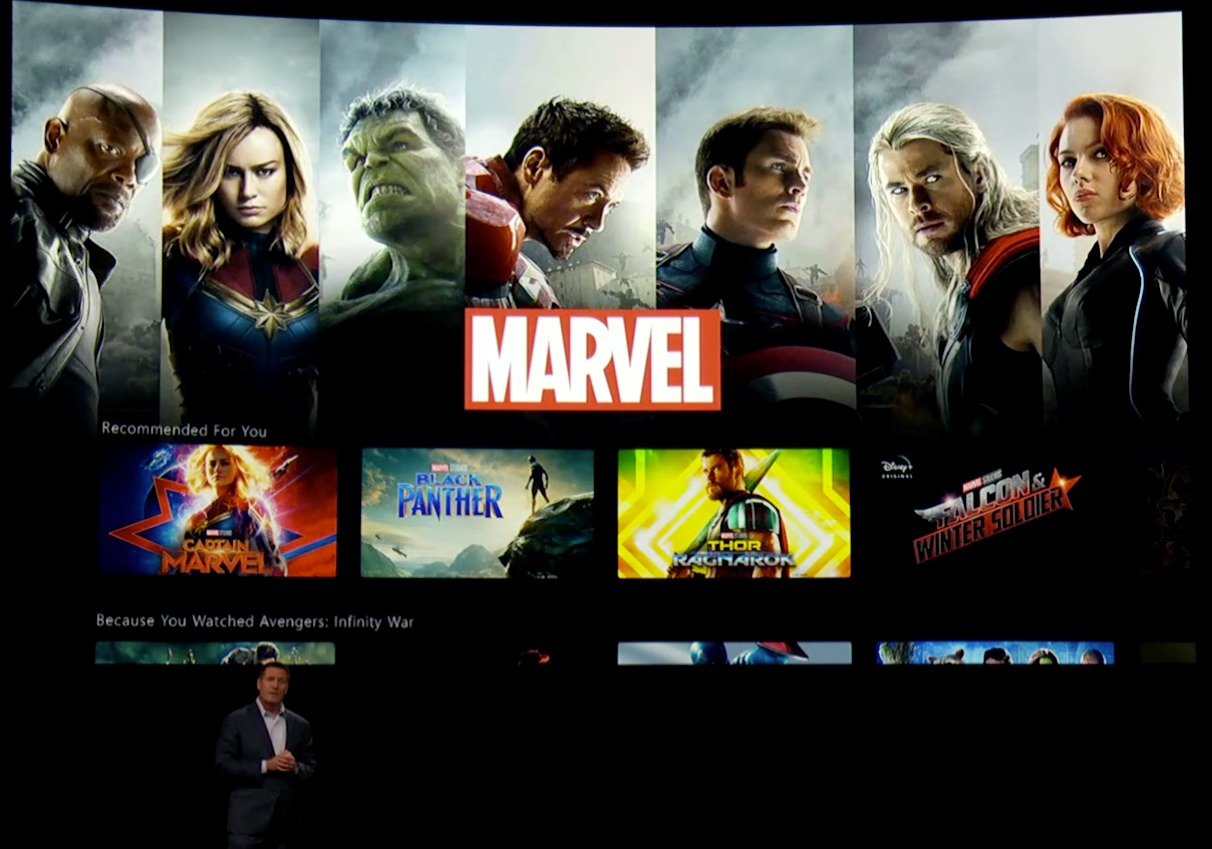
Marvel has changed from being a pure content seller to a platform driver since the debut of Disney+. There is no separate "Marvel Revenue" section in public records or ticket sales for original series. Rather, Marvel serves as an essential Retention Engine.
Churn rates and subscription growth are used to determine these programs' worth. The "sticky" element that keeps millions of people paying for Disney+ each month is Marvel programming. The Direct-to-Consumer (DTC) streaming division had a full-year operating income of $1.3 billion, a significant increase over the prior year, according to Disney's fiscal 2025 reports (The Walt Disney Company, “The Walt Disney Company Reports Fourth Quarter and Full Year Earnings for Fiscal 2025“, November 2025). Marvel has been the driving force behind this segment's success.
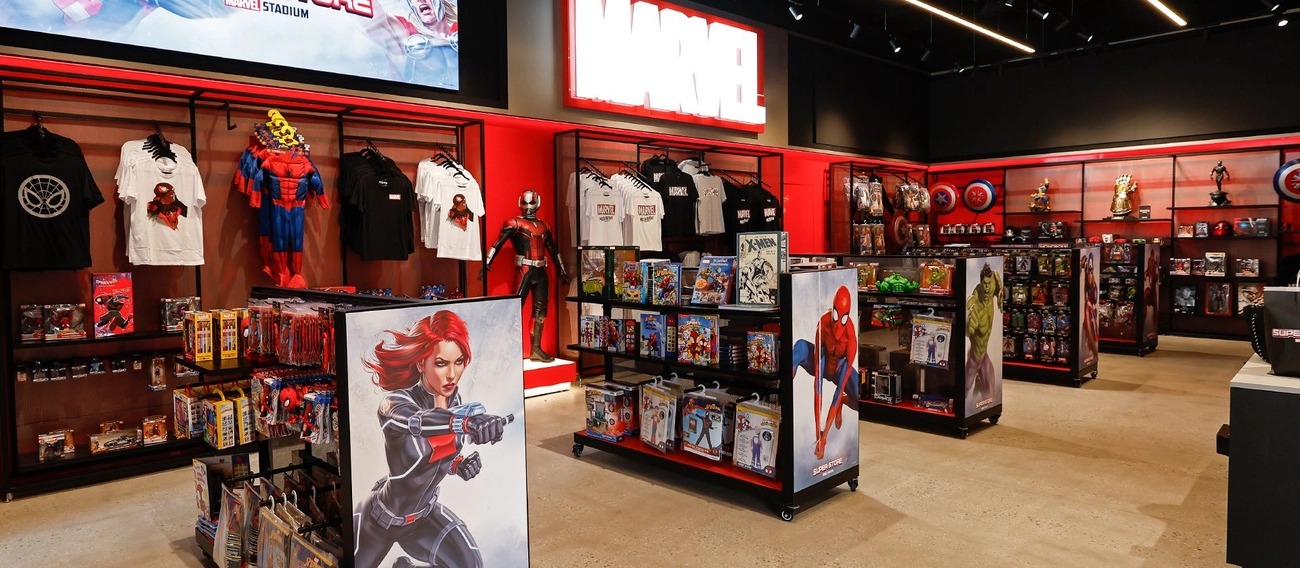
The largest miscommunication occurs when it comes to merchandise. Numerous widely shared figures show the worldwide retail sales of licensed goods rather than Disney's earnings.
This is the clear differentiation. Consumer spending on licensed goods like shirts, toys, and collectibles at the store level is known as retail sales. Disney receives royalties and licensing fees from partners in return for the rights to use Marvel characters and branding. Despite being a small portion of retail sales, royalties can be alluring since Disney does not produce the majority of those goods.
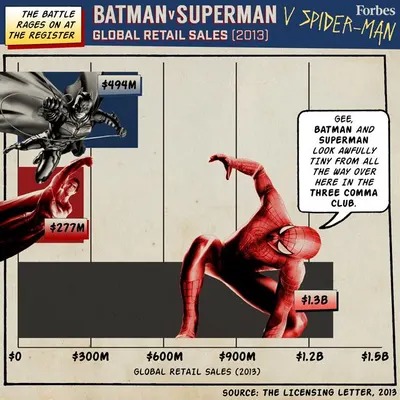
Spider Man, often mentioned as Marvel's most popular merchandise character, is a prime illustration of retail size. According to The Hollywood Reporter, which cited The Licensing Letter, Spider Man's worldwide retail sales of licensed goods were almost 1.3 billion dollars in 2013. Though that is not the same as "Marvel revenue," that statistic shows how big the retail layer may be.
Disney's own reports also indicate that there won't be a single "Marvel merchandise" line. Disney organizes the findings into more general categories, such as Content Sales, Licensing, and Other under Entertainment. Additionally, it reports merchandising-related activity within Experiences, including food and beverage, Parks and Experiences goods, merchandise licensing, and retail. Disney reports these ecosystems as combined enterprises, but Marvel contributes to them.
Avoid searching for a single Marvel revenue row if you want to understand Disney data like an expert. Because shareholders assess performance by business unit, Disney arranges results by operational segment.
Disney displays entertainment revenue lines for Direct to Consumer, Linear Networks, and Content Sales, Licensing, and Other in its annual report. Theatrical distribution and TV or VOD distribution appear in this lane, but they are not marked as "Marvel." Together with many other Disney products, Marvel movies and television shows fit under these categories.
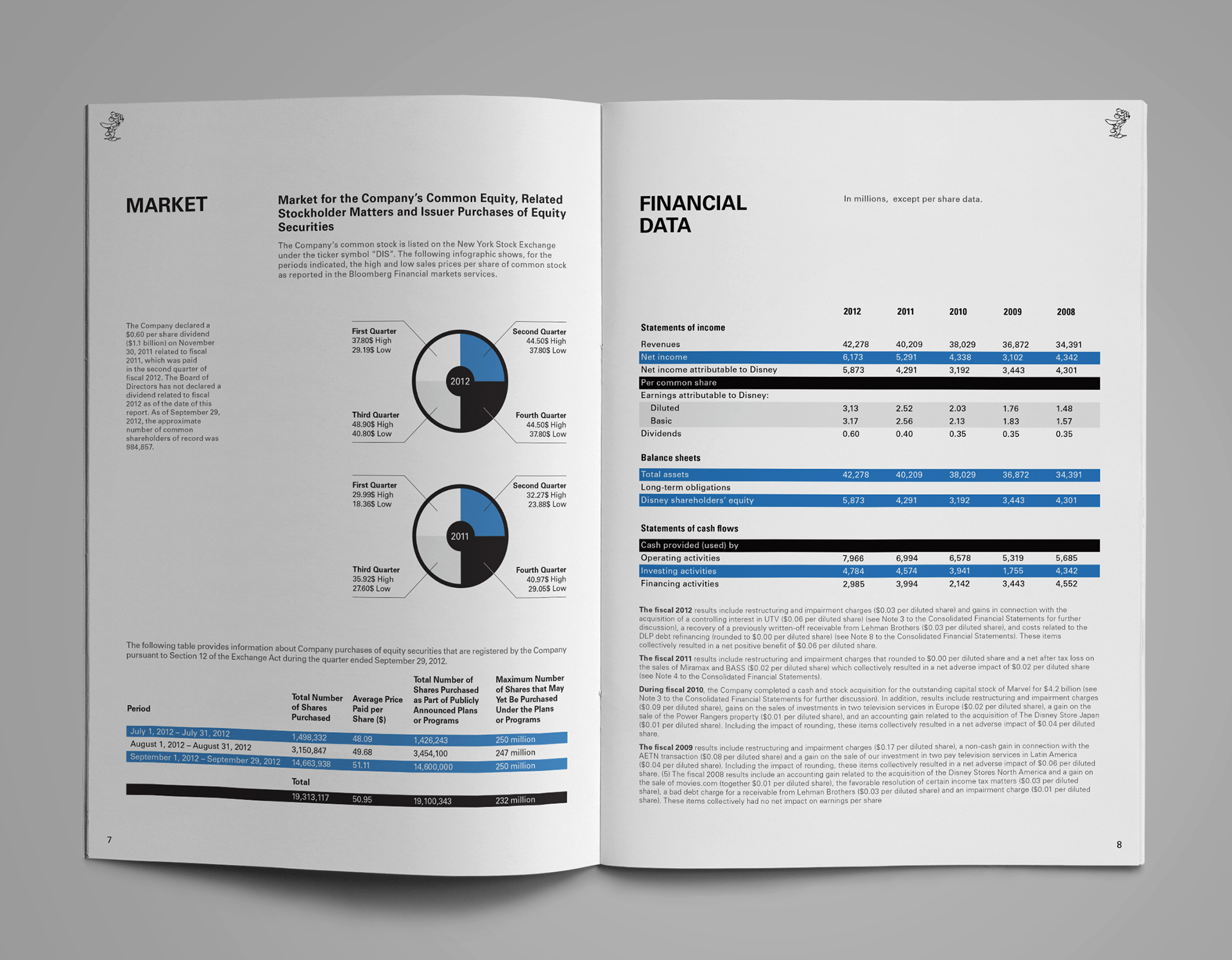
Experiences may also be impacted by Marvel's customer base. Disney reports Experiences lines that include food and beverage, merchandise licensing, retail, and Parks and Experiences products. This arrangement explains why Marvel is sometimes referred to as a franchise that makes money across several divisions, even though Marvel's role in the reporting is indirect.
Using Disney segments to comprehend the lanes and then interpreting Marvel's effect as a driver within those lanes instead of a separately stated corporation within the file is the practical reading strategy.
Instead of aiming for a single headline total, create a reusable, basic mix model.
First, consider theatrical as visibility plus a portion of the earnings. Apply the reality check that studios only receive a portion of the box office, often between 50 and 55 percent total, after starting with the global gross. If you need a second reality check, keep in mind that returns from overseas may be less than those from home sources.
Second, use streaming as leverage for your platform. Your greatest approximation is timing because Marvel is not included separately in Disney+ reporting. When Marvel releases a cluster on Disney+, they can promote subscriber growth and retention, but Disney presents the results as Direct to Consumer performance rather than Marvel revenue.
Third, consider licensing as both a royalty layer and a demand indication. You may better evaluate demand at scale by using retail sales benchmarks, such as Spider Man's 1.3 billion retail snapshot. Don't use retail sales as Disney revenue, though. Disney's revenue comes from licensing and royalties, and stability is important because licensing can continue to pay even in the absence of a fresh theatrical release.
You get more from this structure than from a single, unreliable figure. It explains to readers how money moves, why Marvel can maintain its financial strength even when one indicator declines, and why the company's operations are set up to generate revenue from a variety of sources.
Start with Fendory if you're looking for reliable, officially licensed Marvel products. The primary benefit is clarity: rather than taking a chance on ambiguous marketplace postings, you can purchase Marvel products like actual clothing with clear product photographs, sizing guidelines, and straightforward policies.
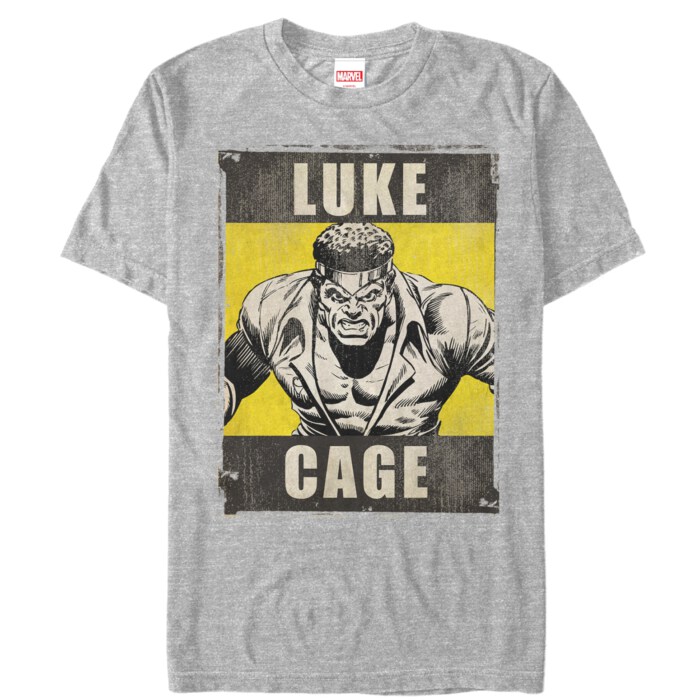
Due to the widespread popularity of Marvel merchandise, counterfeits are frequent. Selecting vendors who are open about license and product specifications is the safest way to make purchases. Check the brand and seller's identity, look for license language in the description, and steer clear of ambiguous "inspired" terminology or pricing that seem excessively low for a well printed garment.
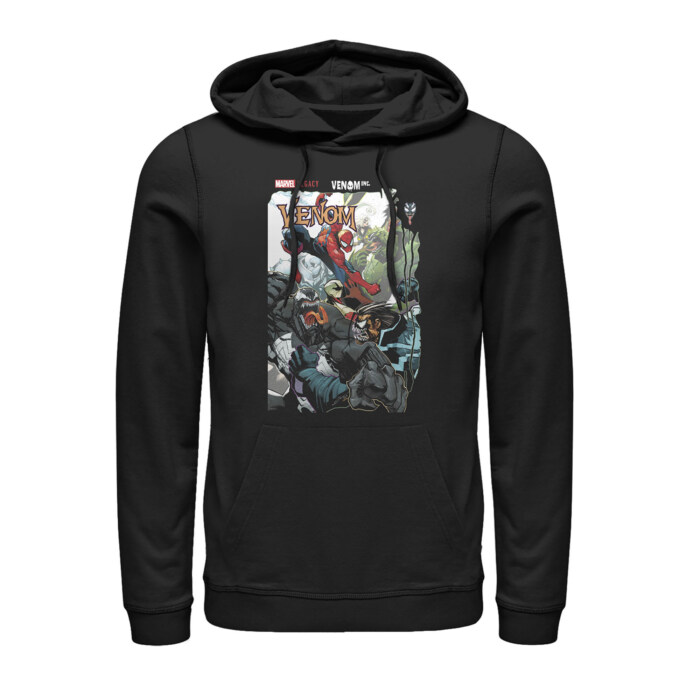
Since clothing is what you actually wear, quality is the most important factor. Give top priority to materials that feel substantial, sharp-looking prints, and sizing information that gives you confidence when making decisions. Here is where Fendory could focus on its main selling point: fully licensed Marvel goods that complements regular attire and is of a high enough caliber and transparency to encourage repeat purchases.

Every purchase made at Fendory directly contributes to the Marvel ecosystem because of our dedication to Official Licensing. With a focus on "Hero-fit" silhouettes that look fantastic in any situation, from a laid-back workday to the next major Marvel movie premiere, we offer a genuine substitute for the "bootleg" market.
Box office, streaming value, and licensing all contribute to Marvel's revenue, which is an ecosystem rather than a single figure. Disney does not report it by franchise, but rather by section. Get high-quality, genuinely wearable Marvel branded goods at Fendory.
Read more:
0 comment