
By [email protected] in Nov 24, 2025

Are you wondering about the traditional attire from Frozen? Find out how Anna and Elsa's clothes, colors, needlework, and winter layering were influenced by Norway's bunad, and demonstrate how those traditional aspects are translated in contemporary Frozen design.
Arendelle's clothing has a purpose in addition to being attractive. The world of Frozen honors Scandinavia, particularly Norway, from the very first frame. Fans immediately recognize the lived-in authenticity of the film's costumes, saturated jewel tones, flowery embroidery, woolen layers, and useful winter footwear, because of its foundation in real culture.
Norway is a clear inspiration for Arendelle's landscape, which includes striking fjords, stave-church silhouettes, carved woodwork, and vibrant communities. The bunad, Norway's national folk garment worn for festivals and life events, is reflected in clothing with structured bodices, voluminous skirts, high necklines, and capes with beautiful trim. Costume designers and art teams translated this similar sensibility into apparel.
Since bunads differ by location and each has unique jewels, colors, and designs, the movie may allude to a more expansive cultural tapestry without directly replicating a specific ensemble. The end effect is a style that is both cinematic and realistic, royal but grounded.
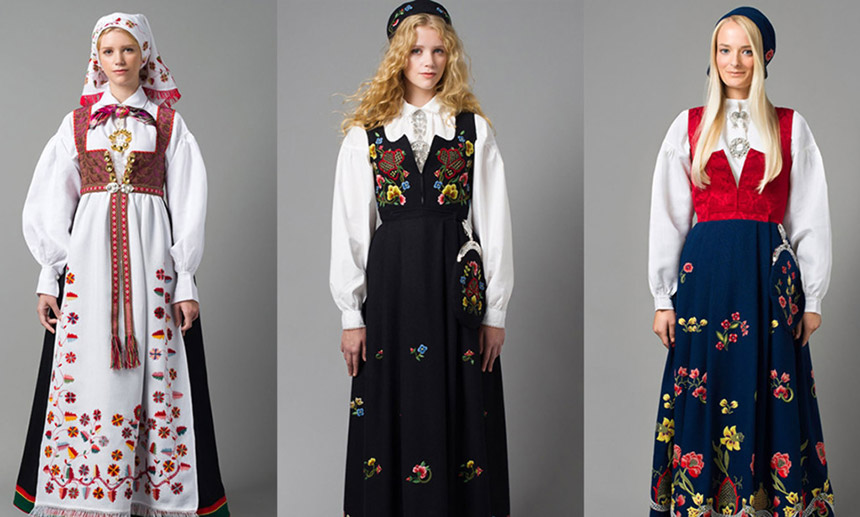
Disney designers personally researched Norway in order to steer clear of conventional "storybook" apparel. Up-close references to traditional fabrics, hand needlework, silver clasps, and layered structure might be found in museums, folk collections, and ancient towns.
Elsa's majestic silhouettes and Anna's skirt's stitch-like embroidery motifs were both influenced by these field notes. The gear behaves like something you could genuinely wear in a Nordic winter, which explains why viewers perceive "something real" behind the dazzle.
When fantasy design is rooted in authentic heritage, it becomes timeless. Culture in Frozen involves storytelling rather than just aesthetics. While Elsa's elegant lines and subdued color scheme convey responsibility, self-control, and eventually freedom, Anna's vibrant hues and floral motifs convey warmth and hope. The movie transforms costume into character development by incorporating Norwegian heritage into character arcs.
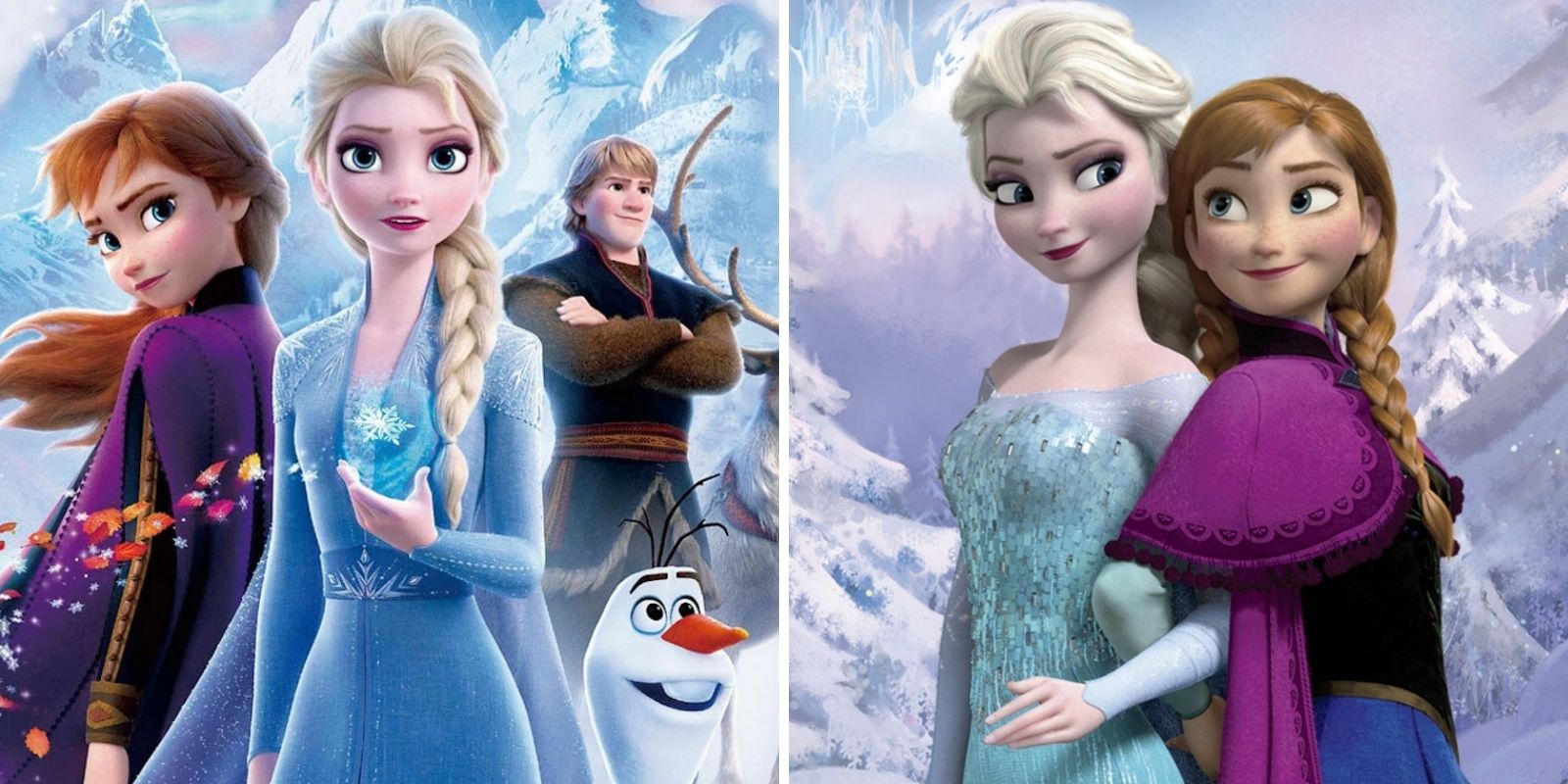
The bunad serves as Frozen's costume pattern with its ceremonial grandeur, wool underpinnings, and region-specific embroidery. Even though no movie costume is a one-to-one reproduction, the color, structure, and ornamentation are recognizable.
Anna's appearance is the most obviously Bunad-like, and for good reason: her personality exudes coziness, camaraderie, and the delight of custom.
Bright yet well-balanced colors: Many bunads' vibrant color schemes are reminiscent of Anna's trademark blues, greens, and magentas. Her outgoing demeanor is in line with these colors, which convey vitality and approachability.
Folk-inspired floral embroidery: Her bodice and skirt's stylized tulips and vines pay homage to regional stitchwork and Norwegian rosemaling. They are cultural identifiers that link Anna to people and places rather than being haphazard decorations.
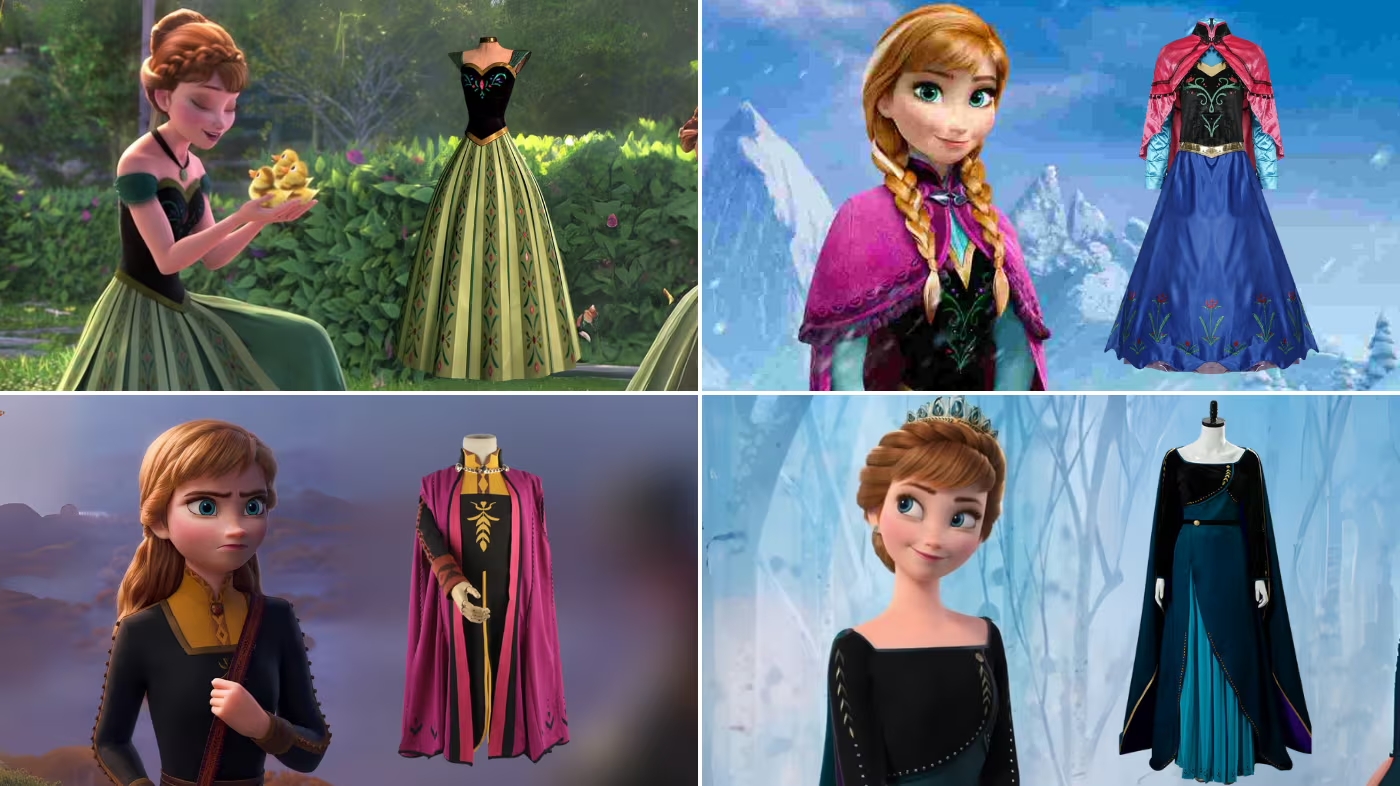
Layered skirts for movement: Full, layered skirts are genuine to bunad construction, which frequently employs several petticoats for shape, while also creating volume and swish in a cinematic manner.
Practical boots and a wool cape: Arendelle is chilly. The style is rooted in northern practicality thanks to Anna's cloak, mittens, and sturdy boots, illustrating how traditional clothing changed to adapt to the changing climate.
When taken as a whole, these components explain why admirers frequently refer to Anna's outfit as "cozy." It's festive folkwear designed for a heartfelt heroine.
Instead of using bunad surface, Elsa's clothing uses bunad structure. While the color scheme and materials move toward crystalline blues, frosts, and sheen, the silhouettes fitted bodices, formal necklines, long sleeves, and sweeping skirts echo ceremonial attire.
Silhouette over surface: The design maintains a regal, symmetrical line, akin to a courtly folk garment reduced to pure elegance, even when Elsa dons her famous ice gown.
Snow and symmetry motifs: Elsa's decoration prefers geometric snowflake lattices and frosty facets over floral needlework. It is still "embroidery," but it has been transformed in terms of texture and lightness.
Character symbolism: Elsa's journey from restricted obligation to self-acceptance and elemental harmony is mirrored in the shift from regimented queenly clothes to looser, more flowing clothing. Bunad language is used in the clothing to convey a tragic tale.

Layering is a defining feature of both traditional and contemporary Scandinavian clothing. Multiple layers of linen and wool allow you mobility while retaining warmth. With its capes, cloaks, mittens, and lined boots, Frozen respects this reasoning. Woven tapes, visible stitching, and trimmed edges all point to clothing designed to withstand harsh winters. These practical elements support authenticity: Arendelle appears livable since its residents dress as though they actually reside there.
The traditional garment from Frozen is a live inspiration that still influences modern fashion, not a museum artifact. The film's heritage language embroidery, rich color, and layered silhouettes is reinterpreted by designers and enthusiasts into usable, everyday items that maintain the charm without compromising comfort.
How traditional elements translate today:
Embroidery → graphic or textured detailing: Stylized flowers, rosemaling-inspired lines, and snowflake filigree all appear on contemporary clothing as appliqué, tonal stitching, or premium prints.
Regal silhouettes → relaxed cuts: You'll notice references to structure (clean necklines, paneled seams) filtered through casual fits appropriate for everyday wear in place of corseted bodices and voluminous skirts.
Wool capes → cozy layers: Capes develop into lined jackets, crewnecks, and hoodies that embody Scandinavian practicality in contemporary textiles.
Ceremonial jewelry → subtle hardware: Filigree and silver clasps can be used to create elegant zipper pulls, embroidered crests, or metallic thread decorations.
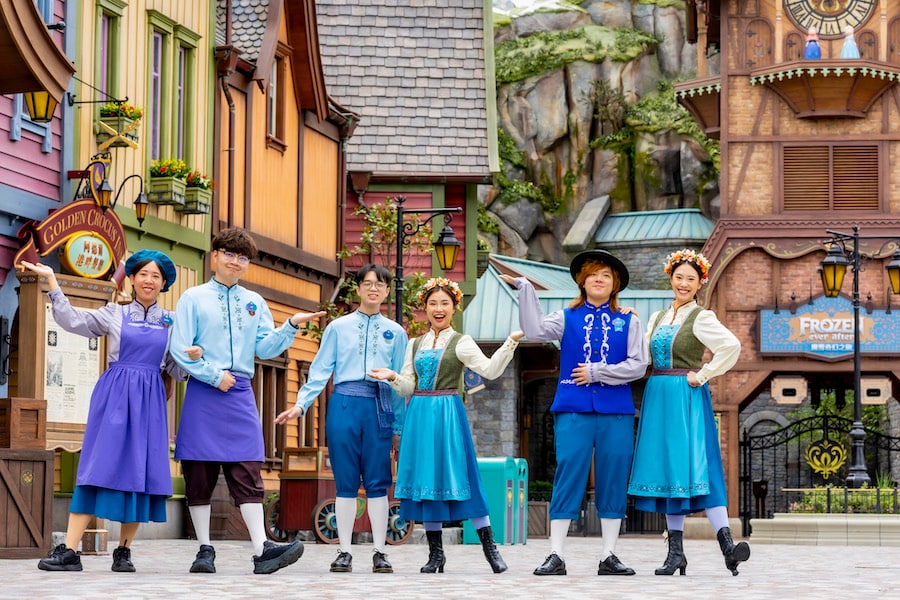
The end product is clothing that is both loyal and modern. You may wear it for lounging, studying, or commuting while still recognizing the Arendelle DNA.
For fans who want authenticity and quality, Fendory offers officially licensed Frozen sweatshirt apparel that thoughtfully channels the franchise’s cultural foundation
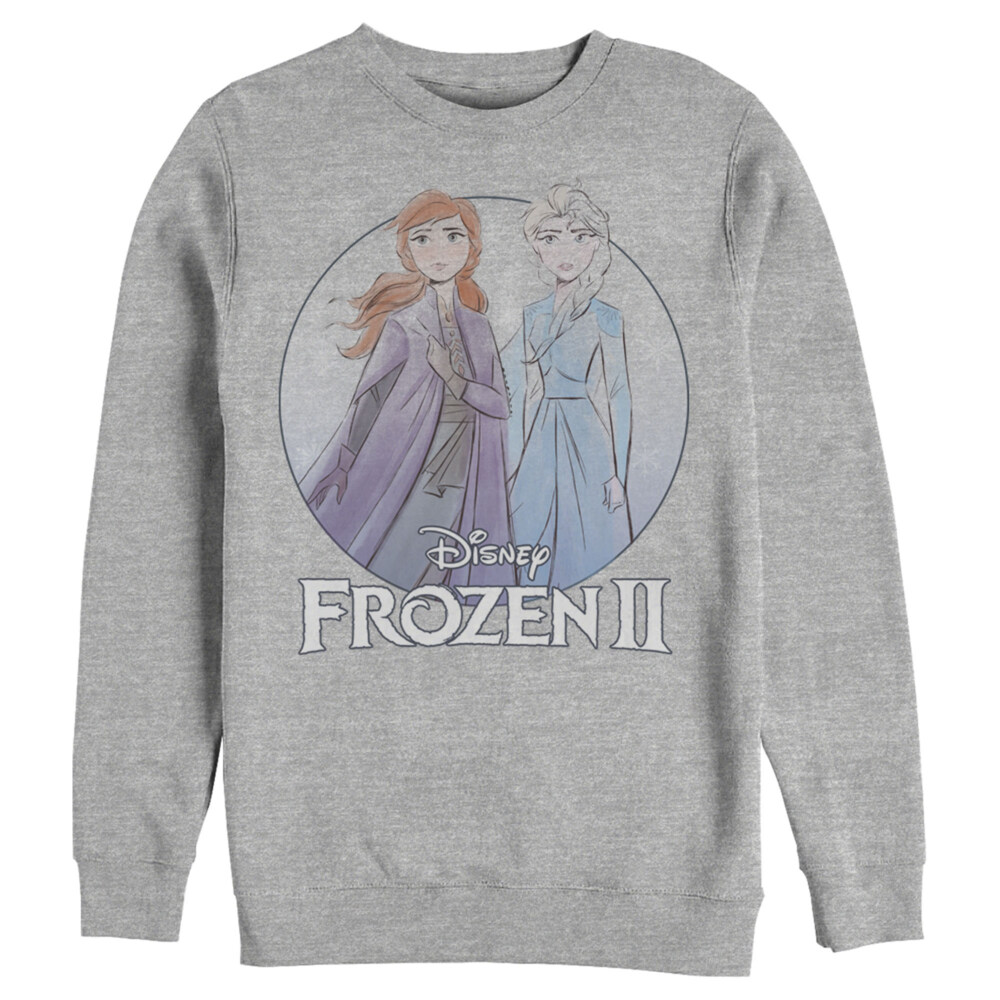
Considered artwork: Fashion-forward, not cosplay, with balanced compositions of snowflake/rosemaling designs at the chest, sleeves, or back.
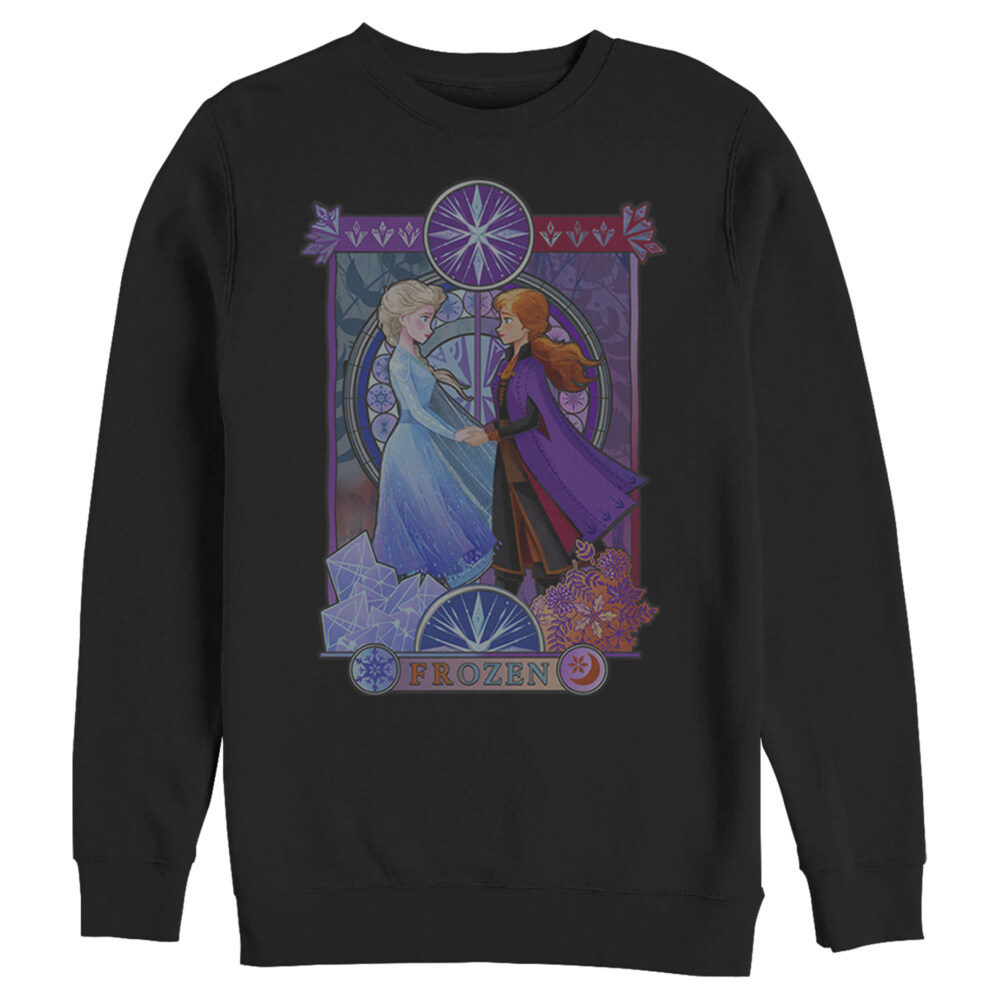
Material and finish: Neat, durable stitching, flattering fit, rounded cuffs, fitted collar.
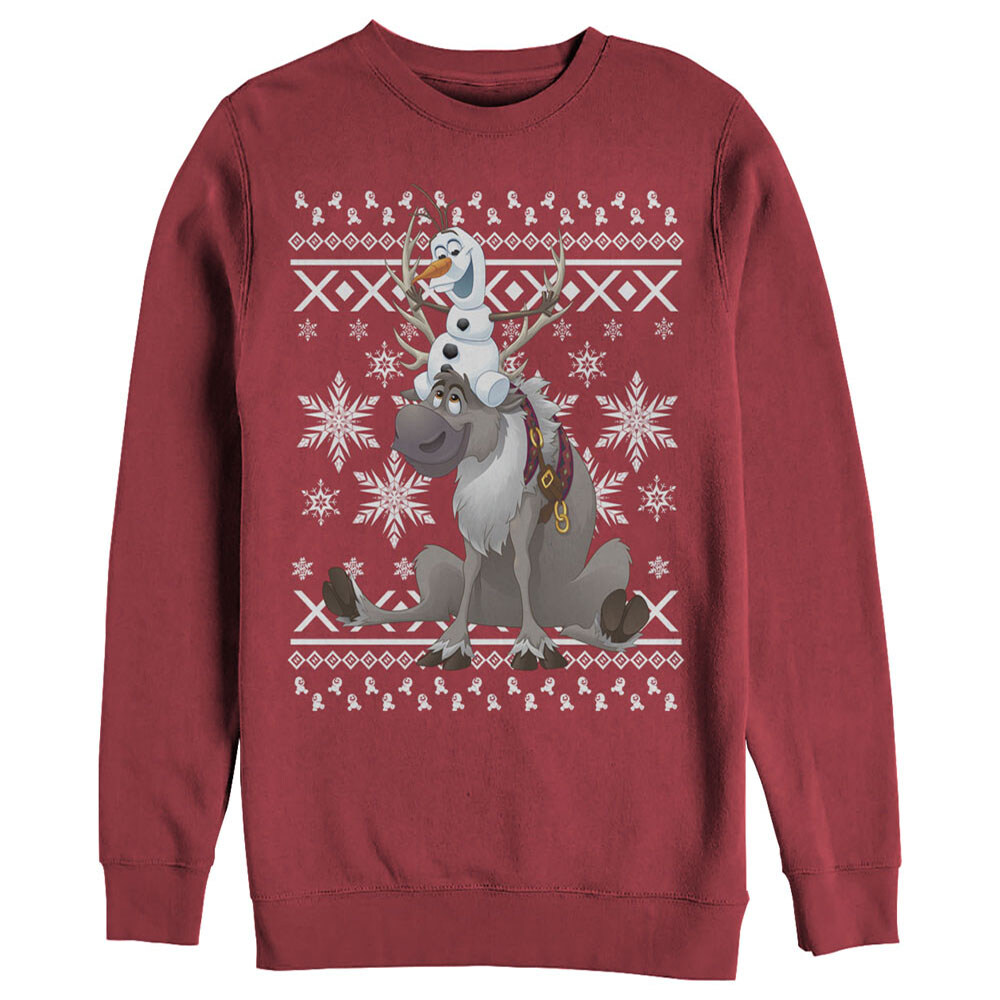
Signature colors: Black, dark navy, green, red, dark gray, palettes reminiscent of Arendelle but perfectly suited to a modern wardrobe.
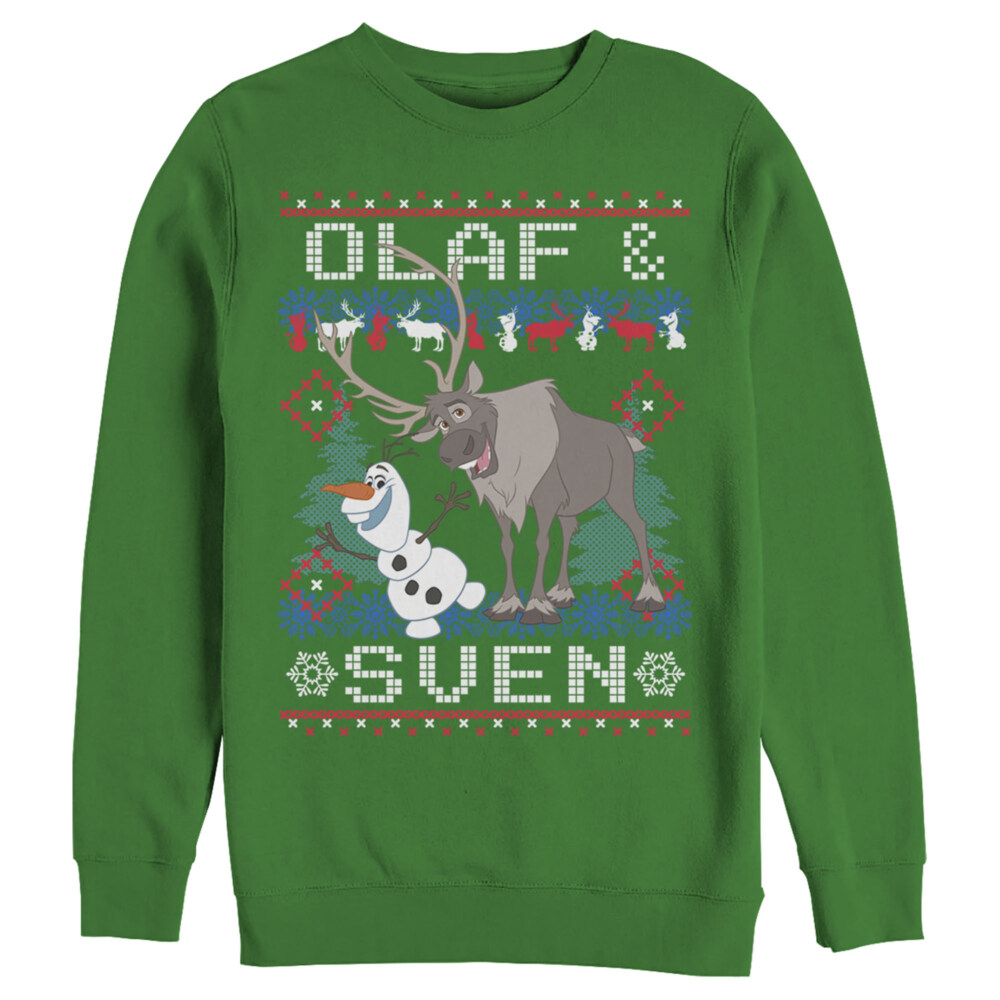
Durable: Fade-resistant ink. Construction designed to retain its shape with proper care
Fendory's officially licensed method guarantees that each Frozen Sweatshirt upholds character identity and quality requirements, ensuring that colors, images, proportions, and construction live up to the expectations of fans. It's comfortable to wear to class, or weekend plans because the design language hits a smart fashion fanwear balance. It's recognizable without yelling.
Constructed with longevity in mind, the sweatshirt offers genuine value over time thanks to thoughtful fabrics, meticulous stitching, and neat shape. Purchase once, wear throughout the seasons.
Frozen's traditional dress is a heartfelt nod to Norwegian bunads, with colors, embroidery, and subtle layering reinterpreted for Arendelle. While Anna loves the coziness of folklore, Elsa gently transforms it into a sophisticated, opulent style with roots in real heritage. These characteristics continue to exist in commonplace items that are both genuine and contemporary.
The officially licensed Frozen Fendory Sweatshirt is cozy, long-lasting, and genuinely frozen, making it a stylish yet functional option.
Read more:
0 comment