
By [email protected] in Nov 24, 2025
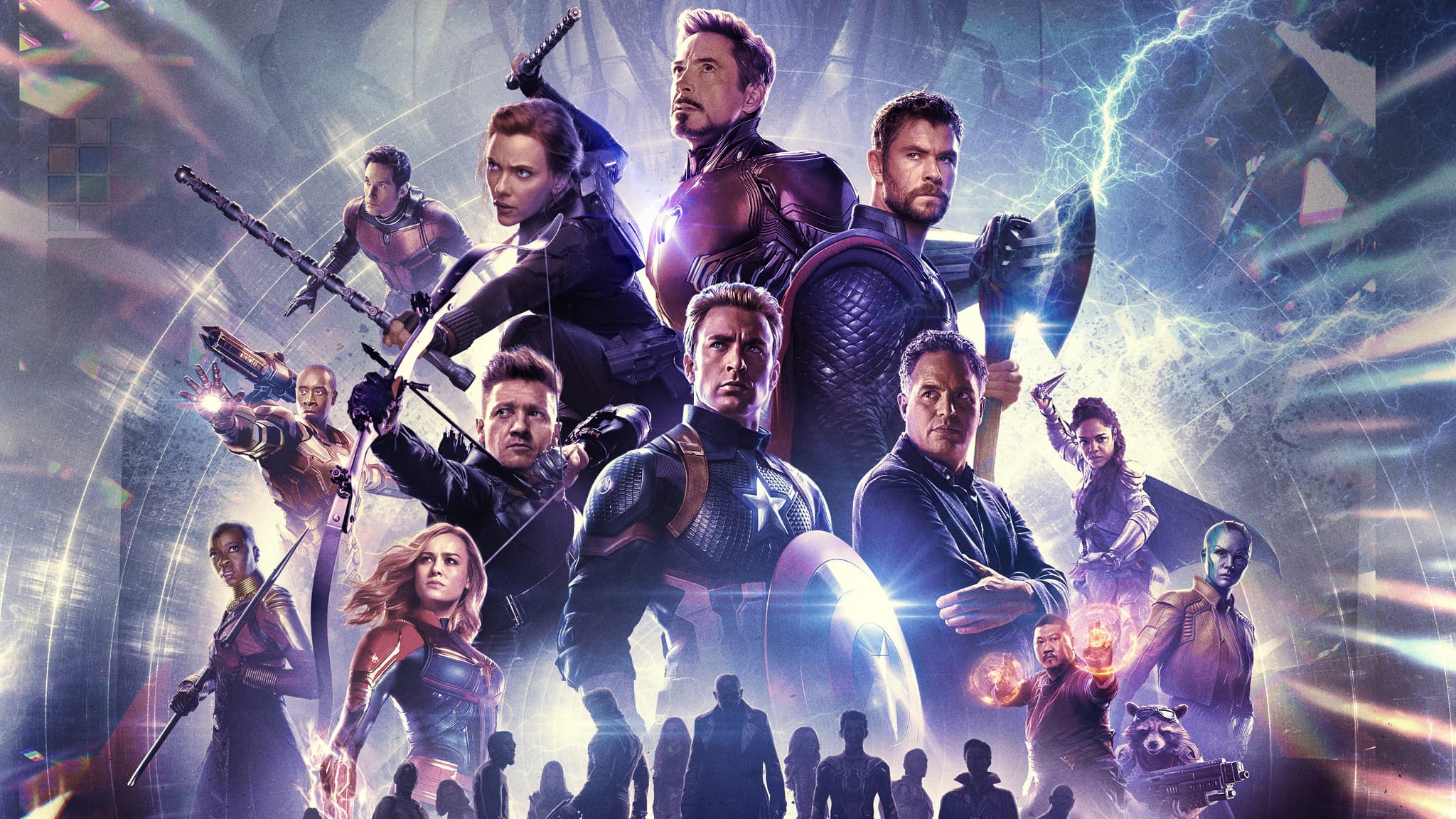
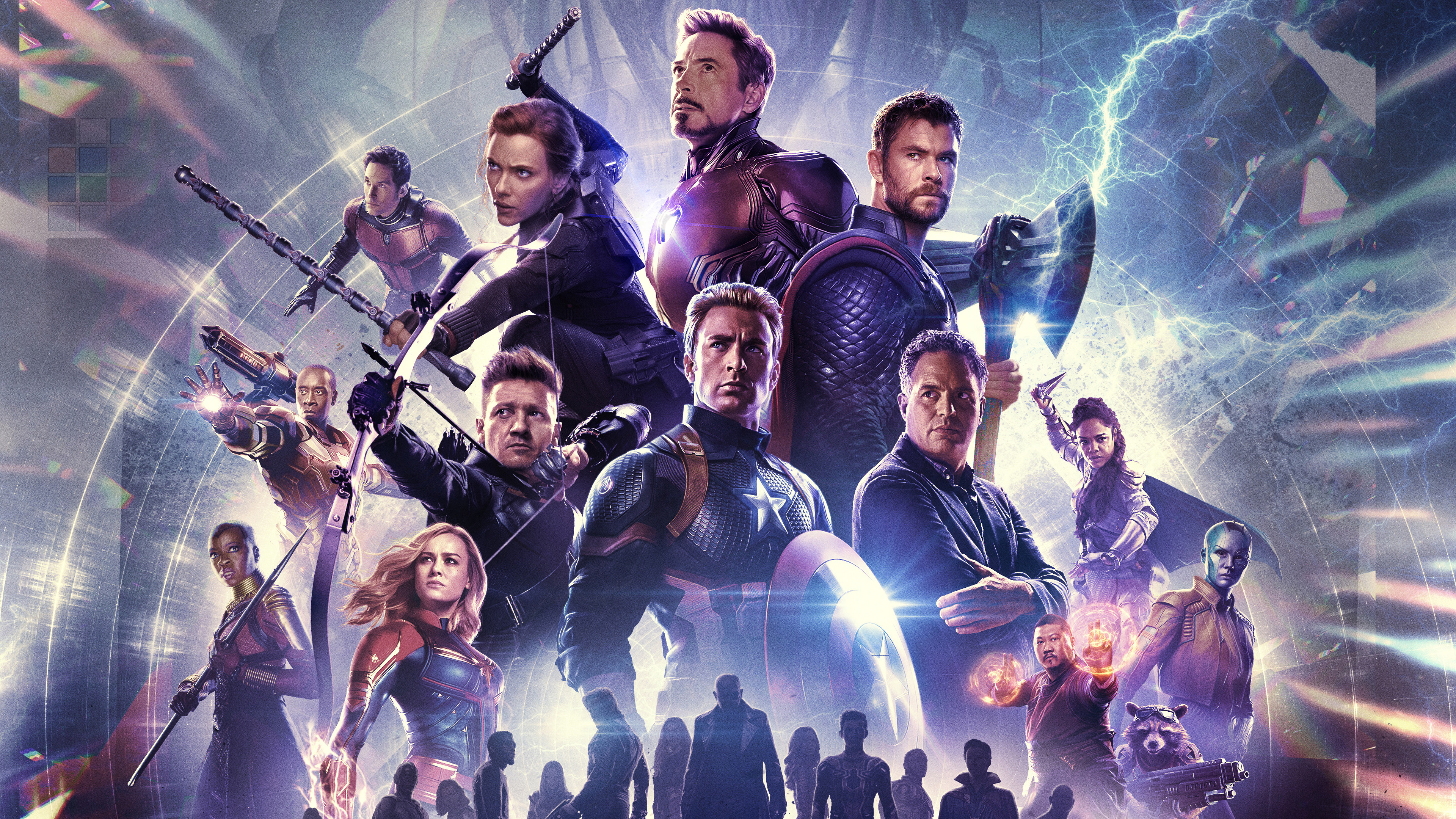
If you’re wondering what "Avengers: Endgame" is about, think beyond the final fight. The movie concludes "Infinity War" while examining loss, second chances, and the price of defending what you care about. Here is a concise, spoiler-free analysis that emphasizes impact, meaning, and narrative.
Fundamentally, Endgame provides a solution to a human dilemma: what do you do after failing? Scattered by remorse and powerlessness, the Avengers start in the wake of a loss. Their strategy is the "time heist," which is more of a reckoning than a reset. The movie makes its characters confront who they were and choose who they want to be by going back to significant points in the MCU.
Tony Stark embodies that tension. He can't deny the need to put things right even though he has at last created the life he always feared to desire.
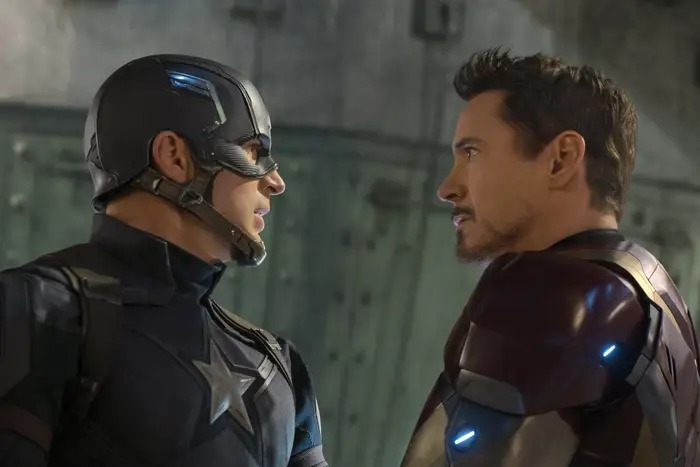
Steve Rogers continues to be the moral compass, encouraging action based on the conviction that hope is an ethical obligation rather than arrogance.
Natasha Romanoff, a leader characterized by concern rather than praise, quietly keeps the team cohesive.
Bruce Banner strikes a balance between strength and intelligence.
Thor struggles with sorrow and guilt, serving as a reminder that supernatural power cannot protect one from human suffering.
Every arc comes to the same conclusion: winning necessitates acceptance, humility, and decision-making in addition to force.
The final battle provides the spectacle that viewers anticipate, but the sequence succeeds because the preparation is emotional rather than merely practical. Promises are kept, debts are settled, and allies come back. By celebrating the connections that made the MCU feel like a shared existence rather than merely a shared universe, the film concludes an era.
As a result, Avenger: Endgame is about more than just vanquishing a villain, it's about saying goodbye in a way that honors ten years of character development.
Endgame is successful because it views grief as a reality that must be experienced rather than as a story device. Every choice made in the third act is given weight by the film's emotional depths, which include friendship, camaraderie, parental love, sacrifice, and maturity.
There are several registers where grief appears. Thor's trauma is evident, unadulterated, and frequently misinterpreted as comedic relief. He is allowed to make mistakes in the movie without being ashamed of his humanity. 
Steve is an example of civic hope, leading support groups. Natasha bridges the gap between teammates by prioritizing caregiving over attention-grabbing tasks.

Tony's guilt is more subdued: the thought of a daughter he might lose, the memory of a young hero he was unable to save. Here, redemption does not include deleting the past. It entails taking ownership of the future in spite of what the past has taken from you. The "try again" mentality is therefore appealing. Redeeming oneself is not a trick, but a practice.
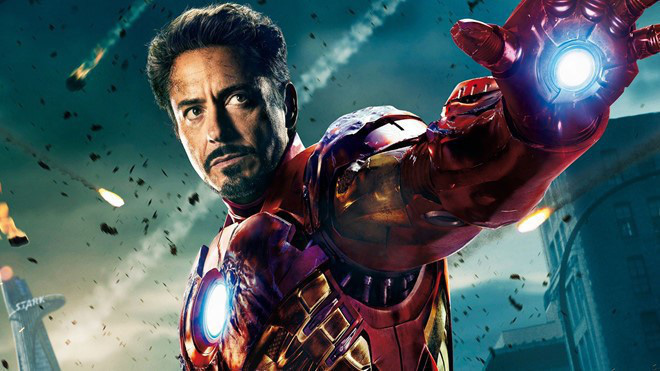
The core of the movie is defined by two legacies. Tony Stark completes his transformation from a brilliant self-defender to a trustworthy protector. The choice to exchange his life for millions of lives he will never encounter is his ultimate act, not creativity. Everything he has come to love Pepper, Morgan, and the newly formed Avengers family contributes to the moment's power.

Steve Rogers’s legacy is different yet complementing. He has always been willing to give himself away. Endgame questions whether he is permitted to recover himself. His closing option is a moral statement in narrative form like sacrifice counts, but so does wholeness. The MCU acknowledges both facts by letting Steve model rest without minimizing his contribution.

Together, Tony and Steve give a dialectic of heroism, one ends by giving everything while the other ends by finally accepting a life.
The Avengers succeed because they refuse to grieve alone. The film’s small gestures like hands on shoulders, knowing eyes, shared stillness, teach that community is a survival skill. When portals open in the final act, the audience’s cheer isn’t only for power levels. It’s for a world that remembers to show up for one another. That’s why the ending sequences land with the weight of ceremony, they offer fans and characters space to mourn, to celebrate, and to go forward with appreciation.
Endgame finishes the Infinity Saga and creates a new creative agenda for the MCU. On the physical plane, it restores those blipped away and rebalances the cosmic board. On the thematic level, it reframes what “strength” means in superhero stories.
A reoccurring message emerges: a hero isn’t the strongest person in the room, but the one who dares to choose sacrifice and let go.
Tony lets go of power and, ultimately, of life.
Steve lets go of the mantle and the eternal obligation to be Captain America.
Natasha lets go of her ledger and claims a leadership defined by empathy.
Thor lets go of self-punishment, understanding that worthiness is not perfection.
These choices reset expectations for the MCU’s future arcs: vulnerability is not a defect to overcome, but a condition to honor.

Phase Four and beyond are shaped by this reframing. Successors take on duties more as interpreters of a legacy than as replicators. Instead of claiming that a cosmic solution solved human concerns, stories examine the social aftershocks of the Blip, including displacement, grief, and reconstruction. While the universe becomes more intimate (friendship, community, mental health), it also expands (new heroes, new regions of space and time). By demonstrating that viewers will follow if the emotional math is accurate, Endgame allows the franchise to pursue both scope and sincerity.
The movie becomes a cultural rite of passage. A generation of spectators bidding farewell to characters who grew up with them was reflected in the crowded theaters, collective gasps, and shared emotions. Marvel's decisions are constantly influenced by this resonance: legacy stories are expected to be both thrilling and compassionate.

The intimacy of Endgame contributes to its longevity. Fans frequently search for simple, cozy, and character-respecting methods to incorporate a subtle reminder of that tale into daily living. Prioritize officially licensed items if you're thinking about merchandise so that the creators' rights are respected and the artwork and materials adhere to Marvel standards.
Fendory, which selects licensed Marvel clothing with an eye toward everyday wear, is a smart place to start. Avengers: Endgame T-shirts with simple designs, team symbols, and subliminal references to fan-favorite scenes are available.

Look for product pages that include the print procedure, fabric weight, and licensing; this information typically translates into T-shirts that maintain their color and shape even after numerous washings.
Fendory's simple treatments go well with trousers and a blazer if you like understated styles, making it simple to carry a piece of the Infinity Saga without drawing attention to it. Consider it more as a means of preserving the film's themes, unity, bravery, and second chances than as merchandise.

Endgame is about choosing hope, honoring grief, and passing the torch with grace. The decisions are what last, even while the conflicts are exciting. Keeping an official T-shirt serves as a gentle reminder to many followers that strength is simply love in action.
Read more:
0 comment