
By [email protected] in Dec 19, 2025
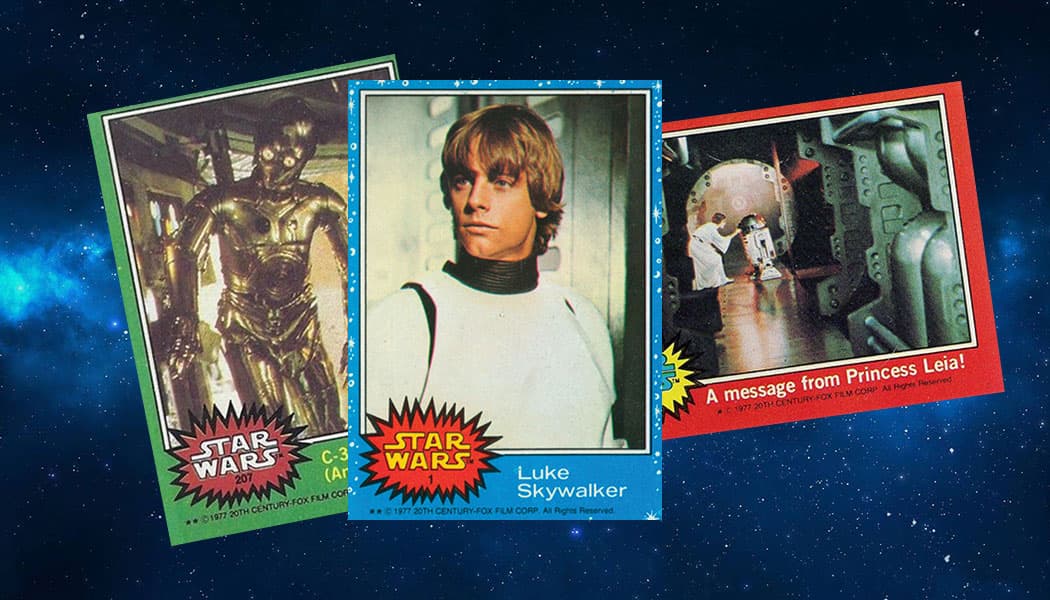
Legendary pieces of movie history, the 1977 Star Wars trading cards are more than just paper. Certain cards are extremely valuable to collectors. The rarest cards and the reasons they are so valuable are examined in this book.
Fans' reactions to Star Wars: A New Hope in 1977 were very different from those of today. Fans relied on products to relive the movie experience prior to the advent of home video and digital streaming. Fans' ultimate way to "own" a piece of the galaxy was through the Topps 1977 Star Wars trading card series.
Based on the color of their borders, the series was released in five different sets: Blue (Series 1), Red (Series 2), Yellow (Series 3), Green (Series 4), and Orange (Series 5). Topps created 55 stickers and 330 cards in all. It was a remarkable experience for kids in the late 1970s to open a wax pack, smell the pink bubblegum, and find a rare picture of Luke Skywalker or Darth Vader.

These cards are now regarded as the "holy grail" of trading cards that aren't related to sports. Being the first comprehensive visual introduction to the Star Wars world, their influence extends beyond their age. They documented character biographies, behind-the-scenes experiences, and famous situations that have since been incorporated into international mythology.
Not every card found in a dusty attic is extremely valuable. Prices for old Star Wars cards are determined by a combination of historical significance and technical excellence, making the market quite complicated.
Condition is paramount in the realm of trading cards. Finding a "Gem Mint" specimen is extremely rare because these cards were handled by kids, carried in pockets, or secured with rubber bands. On a scale of 1 to 10, professional grading services such as SGC and PSA (Professional Sports Authenticator) assess cards.
A PSA 5 (Excellent) card may only be worth a few dollars, whereas a PSA 10 (Gem Mint) card can fetch thousands of dollars. Collectors search for:
Centering: The degree to which the picture is precisely positioned inside the colored boundaries.
Corners: They should be "pointy," sharp, and not ragged or rounded.
Surface: There are no scratches, wrinkles, or gum wax stains.
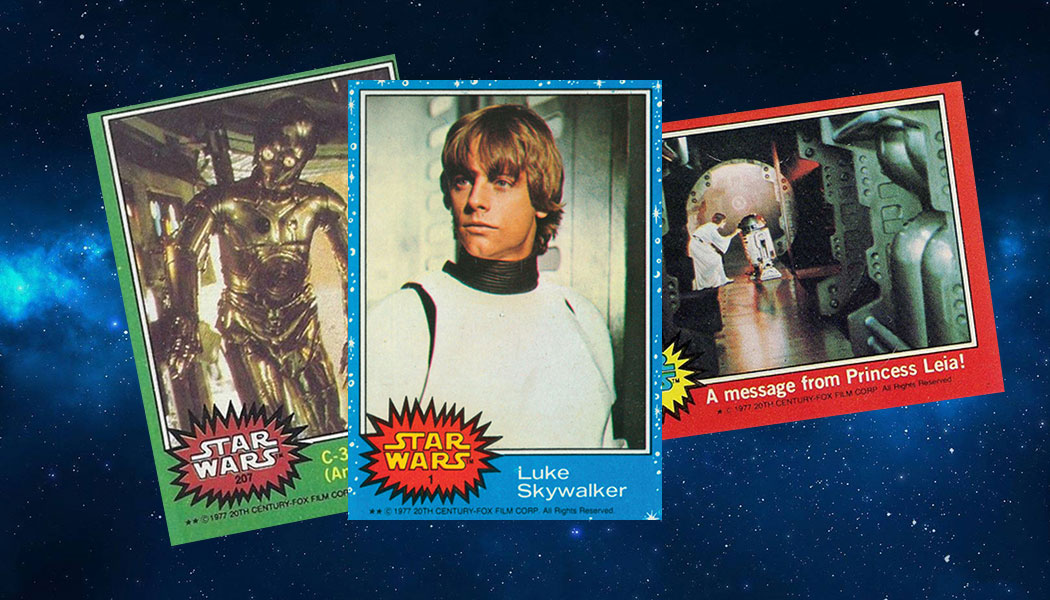
The distribution of a card is typically the source of scarcity. Although the succeeding series (Green and Orange) were occasionally made in fewer quantities as the initial buzz subsided, Series 1 (Blue border) cards are still very popular.
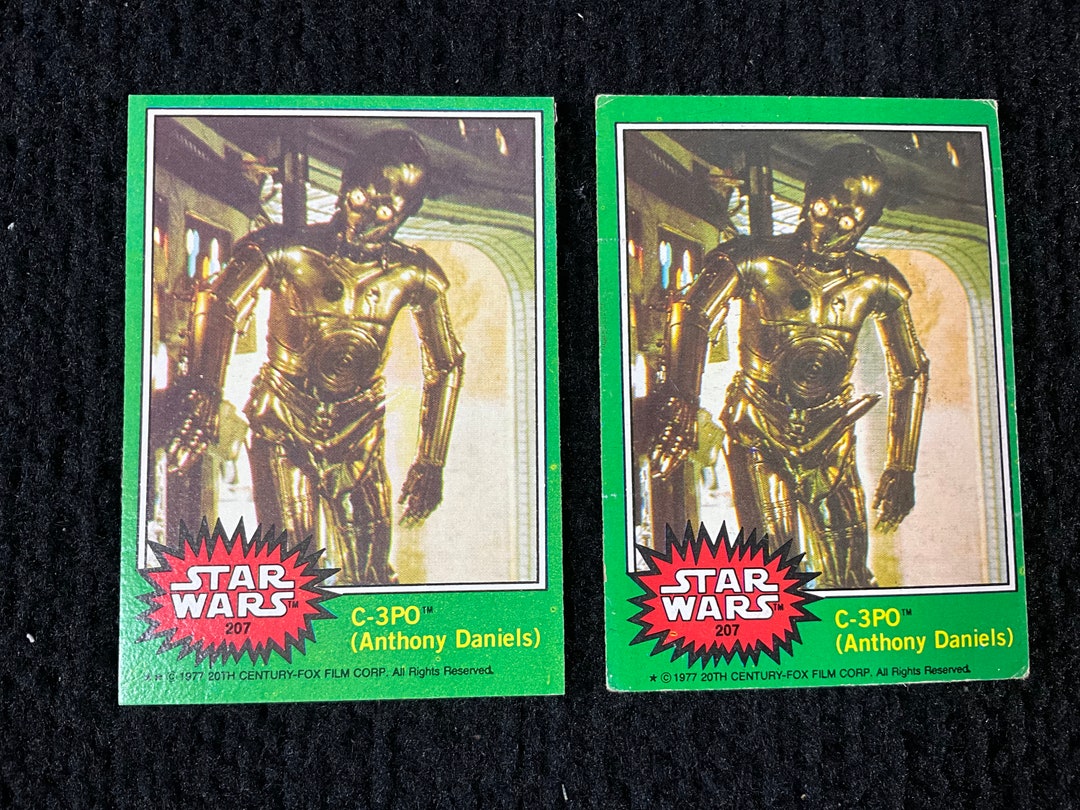
But in this category, the most well-known driver of value is the "error card" or misprint. The Green series' C-3PO card (#207) is the most renowned example. A practical prank at the printing press or a camera error gave the impression that the droid had a suggestive "extra appendage." The "un-corrected" version of this card became one of the most sought-after things in the hobby once it was swiftly withdrawn and fixed.
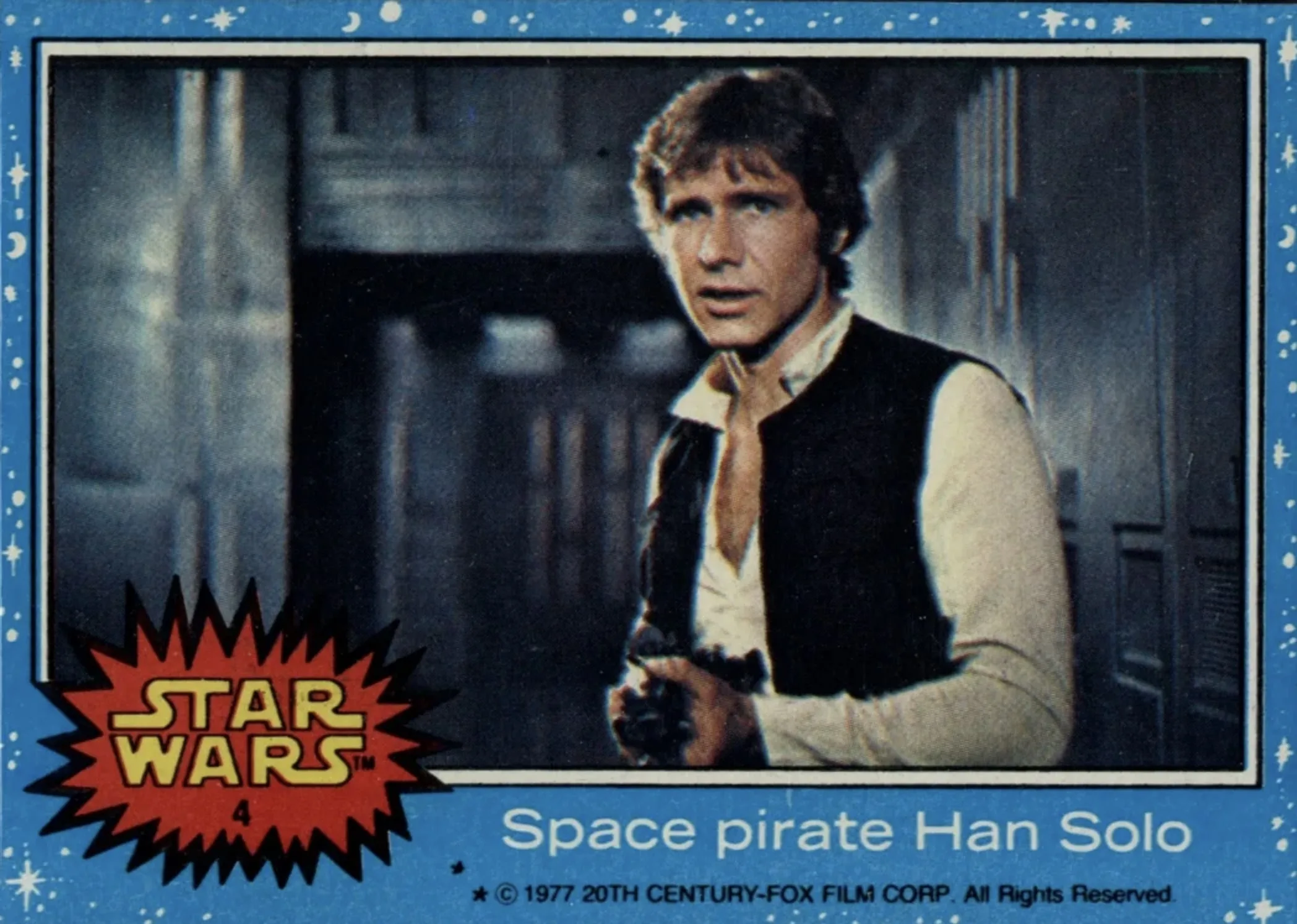
The main heroes and villains fetch the greatest prices, much like in movies. Being the "face" of the franchise and the first card in the entire set, Card #1, which features Luke Skywalker, is inherently valuable. Darth Vader, Princess Leia Organa, Han Solo, and Obi-Wan Kenobi are among more popular figures. For "rookie" cards, the first card with a particular character's solo portrait, collectors are frequently prepared to pay more.

These particular cards routinely rank highest on value charts if you're trying to invest or assemble a high-end collection:
Card #1: Blue Series' Luke Skywalker: This is the foundation of any collection since it is the first card in the original series. It was vulnerable to severe wear because it was at the top of many children's stacks. An excellent Card #1 is a significant financial commitment.
Card #207: Green Series C-3PO Error: As previously stated, one of the most notorious aspects of Star Wars is the "golden rod" inaccuracy. Any collector who enjoys the peculiarities of toy and card history must have it.
Card #7: The Evil Darth Vader (Blue Series): This is the ultimate "rookie" card for the greatest villain in movies. High-grade versions are quite rare because of its dark art, which makes corner wear very noticeable.
Card #5: Princess Leia Organa (Blue Series): A famous image of the most valiant leader in the galaxy. Similar to the Vader card, its popularity maintains a low supply of mint versions and a high demand.
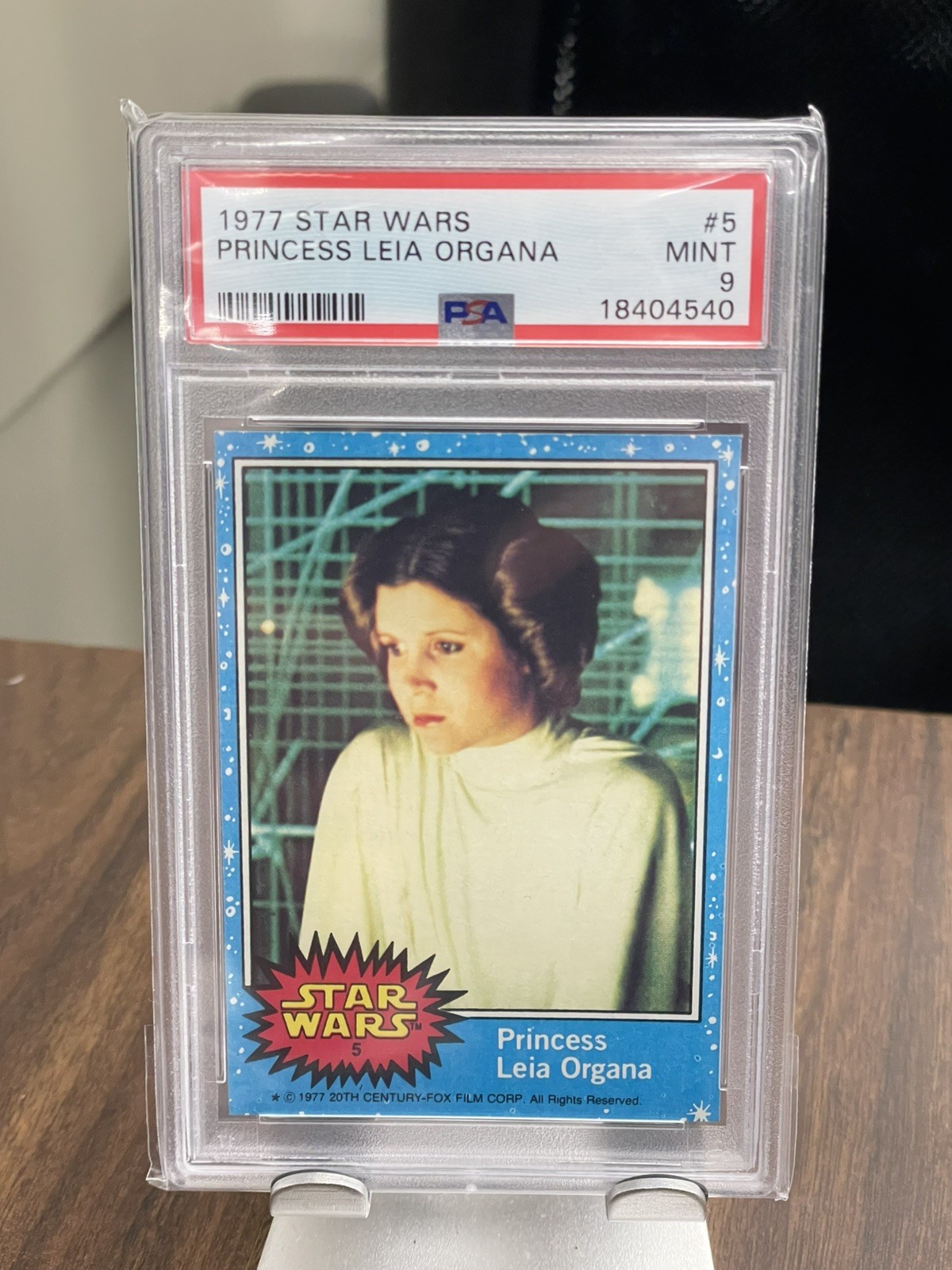
Card #162: Red Series Obi-Wan Kenobi: Purists who appreciate the mentorship and "Old Republic" lore love this card, which features Sir Alec Guinness.
Tips for buying and preserving
Purchase Graded for Security: If you are paying a lot of money, only purchase cards that have previously been graded and encapsulated by respectable organizations like PSA. This shields you from cards that have been cut or faked.
Use Toploaders and Penny Sleeves: Always put raw cards in an acid-free "penny sleeve" first, followed by a stiff plastic "toploader." This keeps corner dings and surface scratches at bay.
Steer clear of sunlight and humidity: UV radiation will dull the vivid 1977 colors, and humidity will cause the card stock to "fox" (grow brown spots) or warp. Keep them in a dry, dark, and cool place.
Genuine enthusiasts are aware that collecting isn't only about cards. You may wear the same nostalgia that fuels the market for old cards at Fendory.
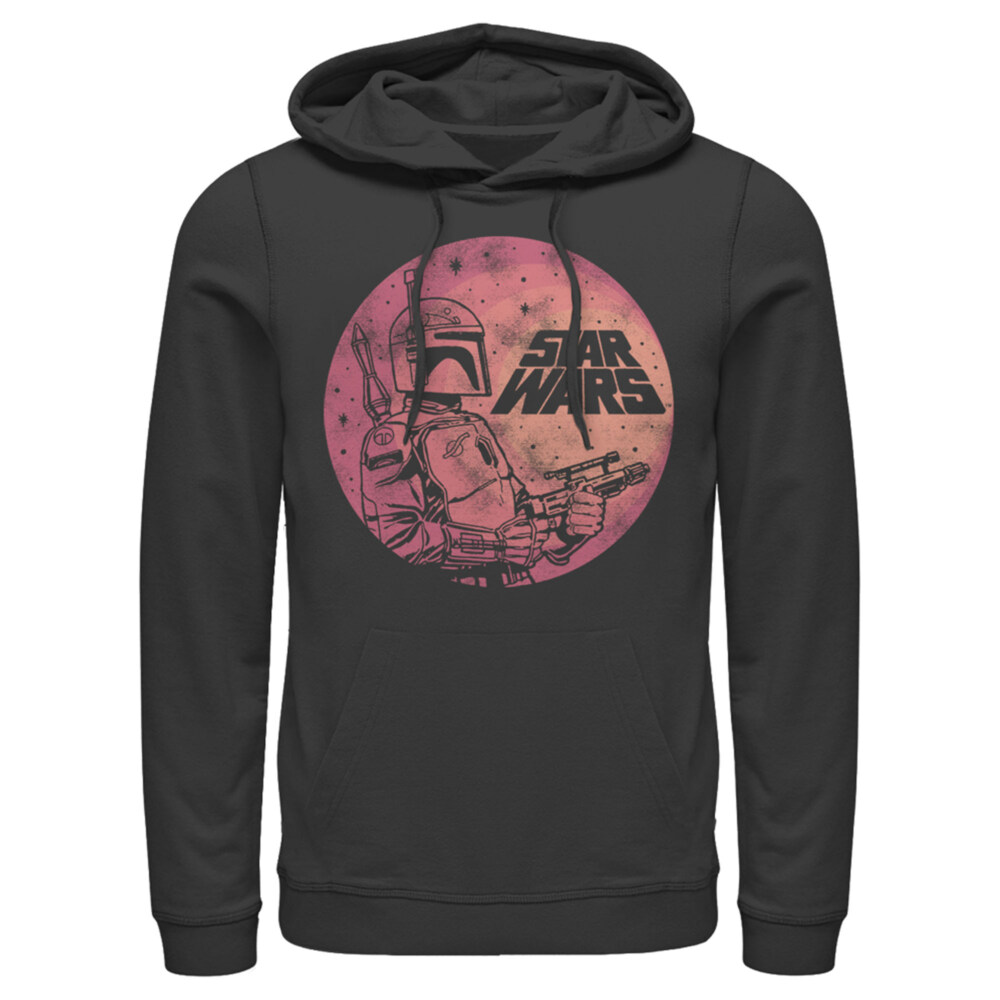
With designs influenced by vintage lettering, card colors, and original poster visuals, our Official Star Wars Retro Hoodie Collection honors the creativity and legacy of 1977.
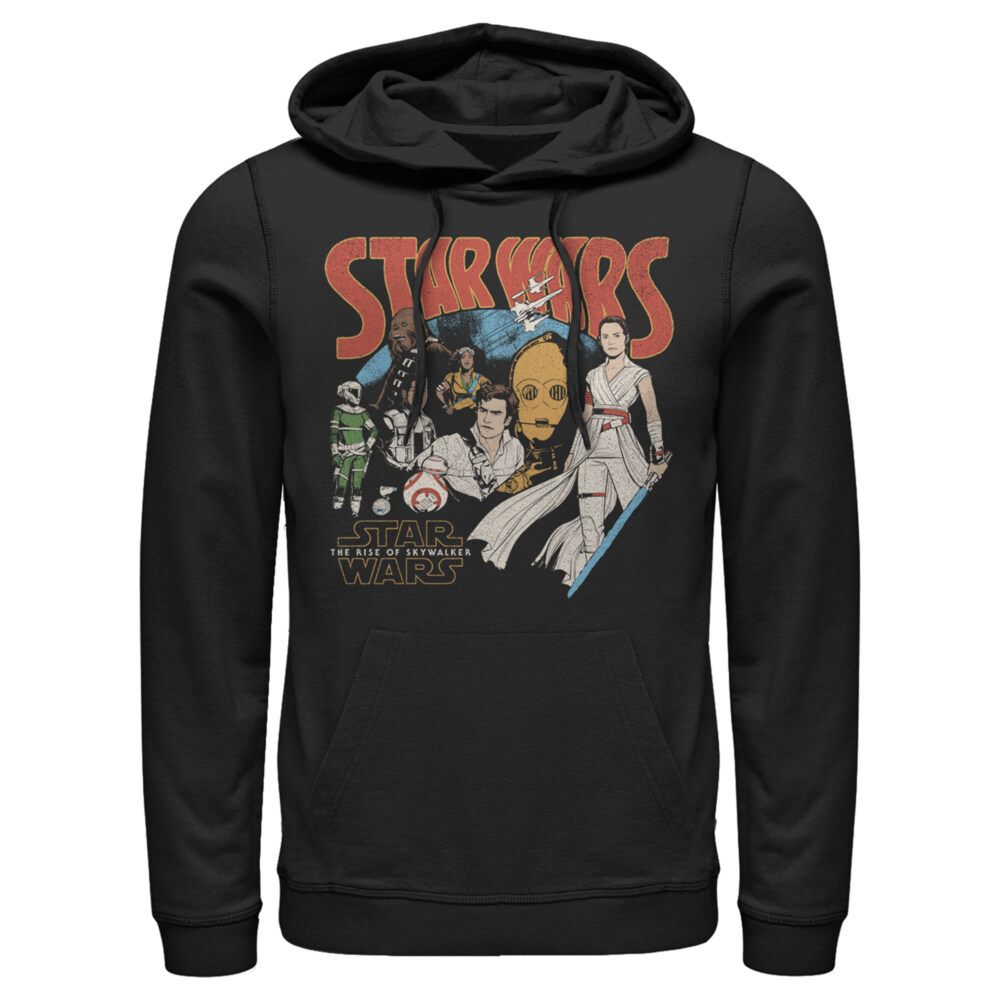
Because each hoodie is properly licensed, every print and detail respects the heritage of the franchise. They are made of soft, high-quality cotton with long-lasting finishes for comfort that lasts for a very long time.
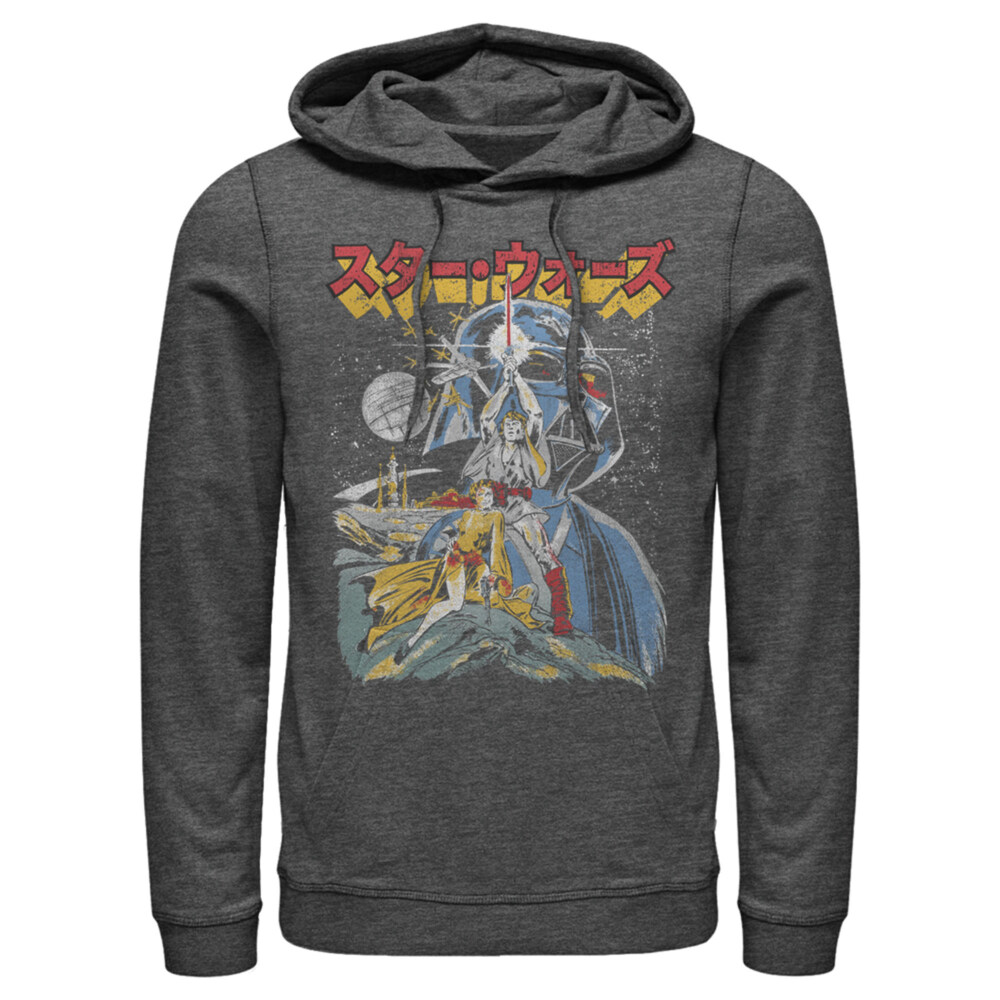
Fendory allows you to boldly wear your fandom by fusing fashion, storytelling, and classic style, whether you collect cards, figurines, or just the memories.
Ready to celebrate the 1977 legacy? Explore the Official Licensed Star Wars Retro Hoodie Collection at Fendory today
A good eye for condition and character demand is necessary when investing in 1977 Star Wars cards. These antique items continue to be a mainstay of hobby history, providing collectors with a material and priceless link to the original story.
Read more:
0 comment