
By [email protected] in Nov 11, 2025
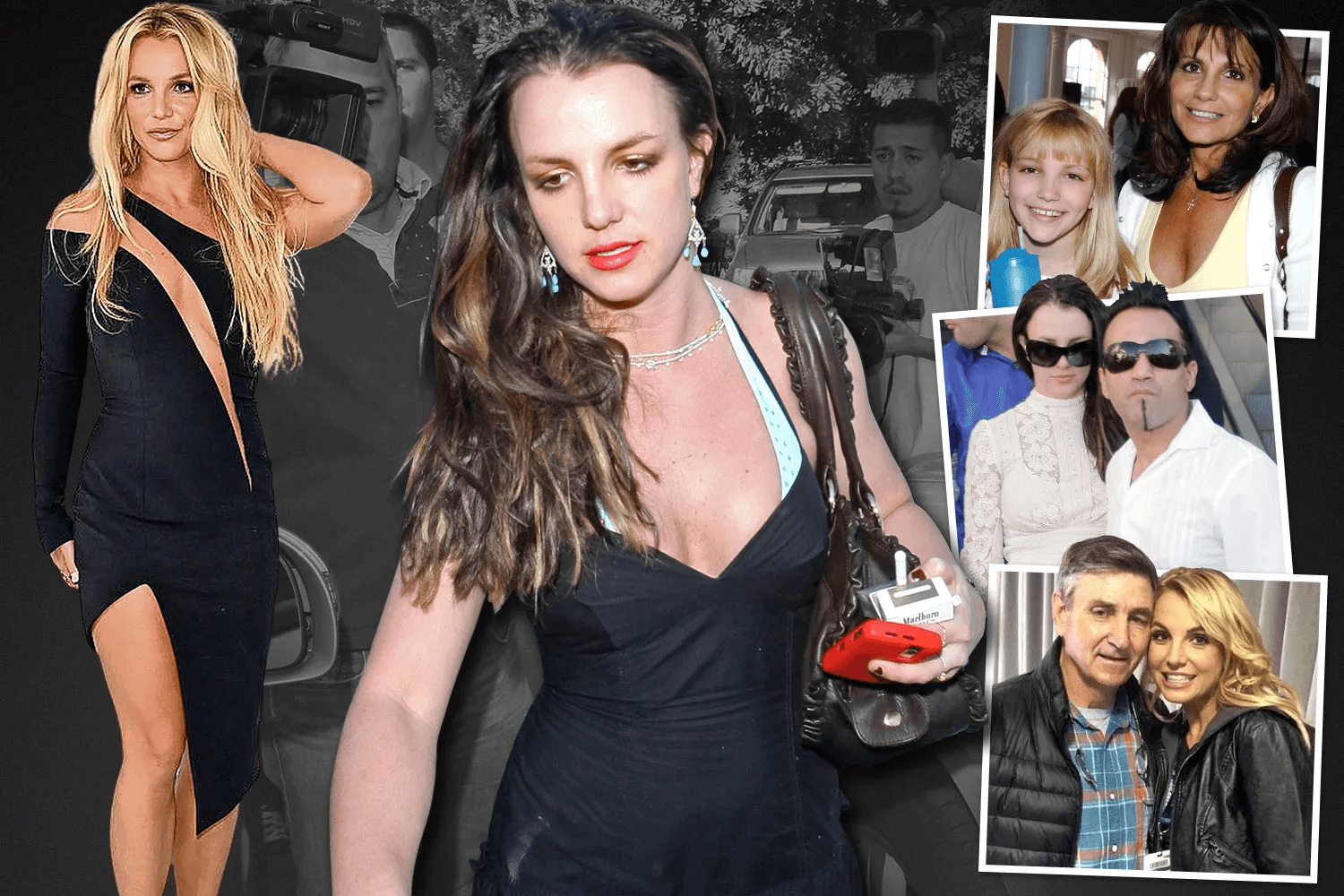
Although Britney Spears hasn't officially acknowledged having ADHD, the topic has been raised by her memoir and her comments on restlessness, racing thoughts, and intense emotions. This article explains ADHD beyond stereotypes, outlines what she actually stated, and examines how these characteristics might foster genuine creativity.
Following the publication of Britney Spears' memoir "The Woman in Me" and the public's following insights into her inner life, interest in whether or not she has ADHD grew. To be clear, Britney has not acknowledged receiving a clinical diagnosis of ADHD.
However, many readers have questioned if her experiences match characteristics frequently linked to ADHD, particularly in women and highly creative individuals, given the way she discusses her thoughts, energy, and emotional life.
Britney recalls times of restlessness, racing thoughts, and difficulties finding quiet in both her book and interviews, especially when she is under strict supervision or under close inspection.
She talks about feeling limited by timetables, expectations, and stories that weren't written for her. She also discusses emotional overload, including the drive to move, create, and express, the feeling that art is a pressure valve rather than an option; and the oscillation between hyperfocus on performance and the ensuing tiredness.

These observations do not constitute a diagnosis, but they do closely correspond to what many adults, particularly women, identify as difficulties with attention regulation: the perception that the mind operates more quickly than life permits, that emotions surface at full volume, and that structure is beneficial but that enforced control can backfire. Her remarks strike a chord because they reflect the real-life experiences of innumerable readers who have only now come to terms with their neurodivergence.
Whether Britney has ADHD or not, her story has created a space for empathetic, stigma-free dialogue.
The conversation should swiftly expand beyond celebrity if it starts with Britney. Attention -Deficit/Hyperactivity Disorder (ADHD) is more than just "being distracted" or a joke.
Clinically, executive function - the brain processes that enable us to prioritize, plan, control our emotions, and maintain focus is affected by lifelong variations in ADHD. It may manifest in adults as mental restlessness, impulsive decision-making, trouble switching tasks, temporal blindness, or intense emotions rather than playground hyperactivity.
Importantly, ADHD is a spectrum disorder that frequently manifests differently in women. Girls' problems can go unnoticed or mislabeled for years because they are more likely to internalize suffering (daydreaming, anxiety, perfectionism) rather than act out. Many women grow up before realizing that their "inconsistency" and "sensitivity" were underappreciated symptoms rather than moral flaws.

Britney's tale resonates because of this. She is an artist whose creative engine is fueled by spontaneity, intuition, and emotion, yet whose livelihood was based on routine and control. People with attention-regulation disorders may feel as though they are inhaling through a straw in settings with strict schedules and surveillance. They might exert more effort, burn out more quickly, and then berate themselves for not "keeping it together."
Britney's observations about being guided, scrutinized, and occasionally silenced are similar to what many neurodivergent people describe: a mismatch between the way their brains function and the way their environment was created, rather than a lack of discipline. More people now see ADHD as a legitimate neurotype rather than a character defect because of the discussion created by Britney's tale.
Britney's story also resonates since artistic skills are frequently accompanied by ADHD symptoms. A perceptive brain is able to make connections between ideas, sense the excitement of the audience, and improvise in real time. Emotional truth can be sharpened by high sensitivity. An artist may experiment with sound, visuals, and performance due to a desire for novelty.
Pay special attention to what fans have to say about why Britney impacted them: the intensity of her performances, the unvarnished side beneath the sheen, and the way she uses movement to express both happiness and suffering. That emotional candor is a method of understanding the world, not an accident.
Dance, song, and rhythm are examples of embodied expression that many creatives with attention regulation disorders use to convert quick thoughts into felt experience. On stage, what appears to be spontaneity is frequently a deliberate instinct, the capacity to read a space, change course, and land precisely where the situation calls for it.

Naturally, the same qualities that inspire creativity can also make daily life more difficult. In the studio, hyperfocus can be both a blessing and a challenge while switching between jobs. Sensitivity makes criticism harsh and art brilliant. Reinvention and occasionally unfortunate choices are motivated by risk-taking.
Britney's ADHD is not proven by any of this. It does demonstrate how a well-established neurodivergent profile is mapped onto the pattern, restlessness, depth of feeling, and explosive creativity. More audiences now view that profile as a distinct operating system with its own advantages and support requirements rather than as a shortcoming.
This is part of a bigger cultural lesson. We push artists to perform a version of normal that damages them and devalues their talents when we celebrate the outcomes of neurodivergent creativity while punishing the process that generates it. A more compassionate approach respects the individual as much as the product and allows for pacing, boundaries, and recuperation. Britney's testimony about control, pressure, and the relief that comes from speaking the truth pushes popular culture in that direction.
Many readers are searching for a concrete means to communicate Britney's message of voice and freedom now that they have a more personal perspective on her. Every day, in secret, fashion can accomplish that.
That’s why Fendory’s officially licensed Britney Spears hoodies feel more like a statement than a souvenir: you’re honoring an artist by supporting the legitimate use of her image and story.
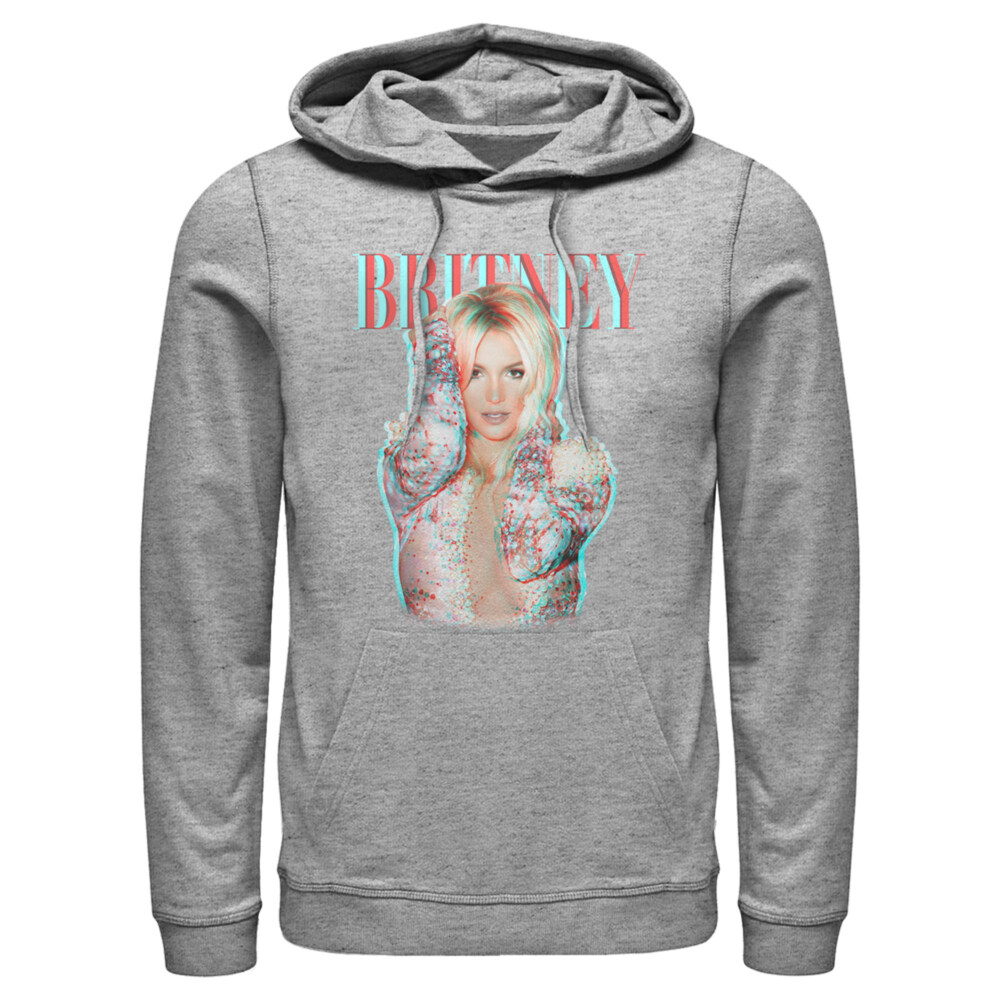
Fendory honors Britney's legacy with the deference it merits. The hoodies themselves have soft inside, strong stitching, and styles that function from rehearsal to relaxation because they are made for actual life.
What counts most, though, is what they stand for. Every piece that is licensed states that the artist owns the story. It asserts that admiration can be moral, lovely, and long lasting.

Wearing a licensed hoodie is a tiny daily practice if Britney's memoir serves as a reminder that freedom is something you practice rather than something you only get once.
Fendory's collection was created with that philosophy in mind, allowing people to honor her story in a fashionable and honest manner.

In the end, it doesn't matter if Britney has ADHD or not; what matters is what her tale teaches about how different people's minds work and what it's like to be free. The Woman in Me teaches us to identify what hurts, to listen without passing judgment, and to defend what is beneficial. That lesson came like oxygen to millions. It continues to do so.
Read more:
0 comment