
By [email protected] in Jan 21, 2026
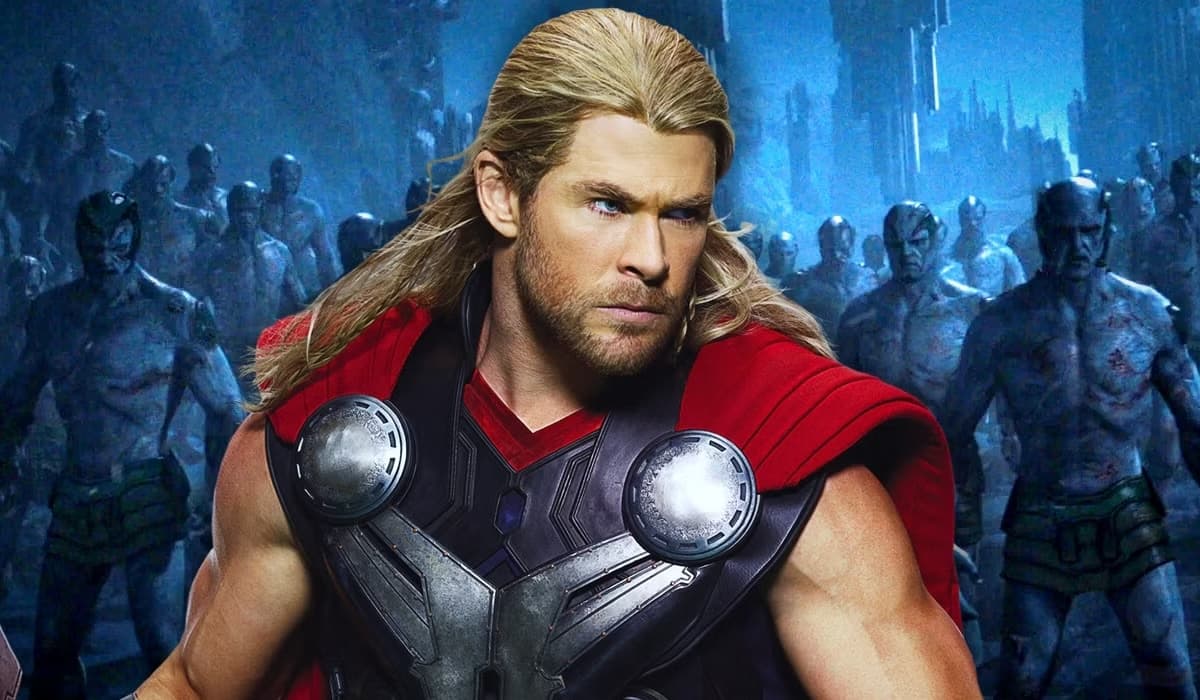
Most people view Thor as the archetypal hero, a guardian of Midgard and a representation of merit. However, he has frequently straddled the thin line between divinity and devastation during the course of his 1,500-year life. Thor's greatest achievements and his most contentious setbacks must be considered in order to determine whether or not he is a true hero.
Thor Odinson is fundamentally a hero of the highest caliber. His development as a person, rather than his capacity to destroy mountains or call forth storms, is what makes him a prominent heroic icon.
Marvel's narrative consistently presents Thor as a hero, yet this isn't due to his strength. According to the Marvel perspective, a character's bravery is determined by what they decide to defend, what they are prepared to give up, and whether or not they grow from their mistakes. Lightning and power are not Thor's greatest heroic qualities. It's that, despite his desire to avoid the burden of defending others, he keeps coming back to it.
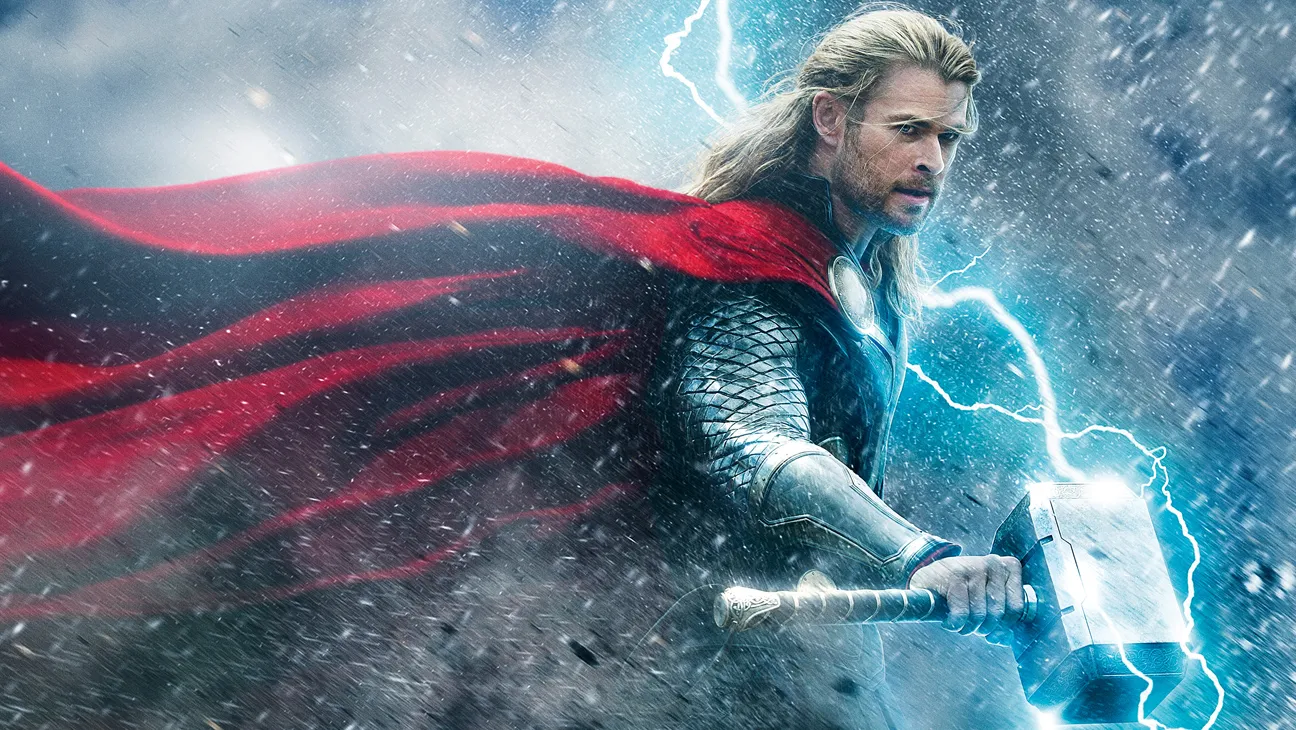
In Marvel, a hero is frequently characterized by self-control. Thor doesn't have it at the start of his journey. In the beginning, he seeks fame, rapid successes, and acknowledgment. That is a traditional setup for a character who will have to grow up. As Thor discovers that power without humility causes collateral damage, he becomes a hero. He firmly enters hero territory when he begins to make decisions based on consequences rather than ego.
Thor also acquires the heroic trait of empathy. He is presented as a godlike character who finds it difficult to relate to common people. He develops into a more fully realized human being over time. He gains an appreciation for teamwork, learns to listen, and understands that dominance is not the same as leadership. Quiet moments are frequently the most heroic for Thor. They occur when he chooses to defend those who are unable to defend themselves, acknowledges his fear, or accepts assistance.
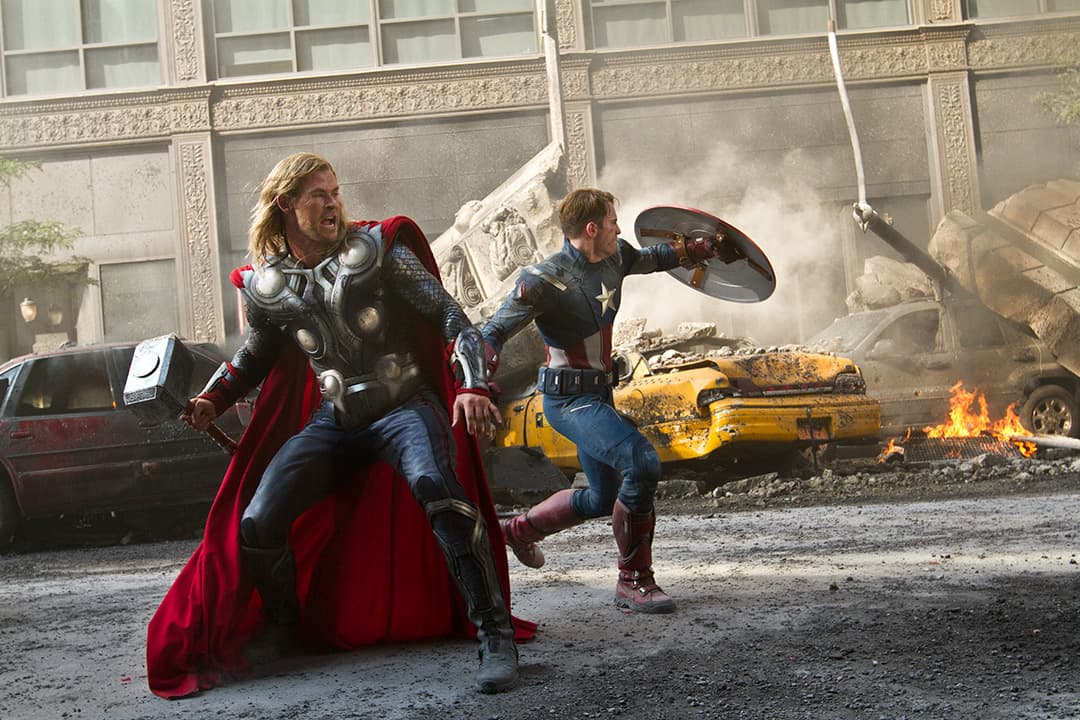
A traditional heroic paradox is also embodied by Thor, who is a godlike entity surrounded by frail lives. The MCU makes advantage of this contrast to demonstrate true bravery and the capacity to give human-scale issues significance. More than his lightning ever did, Thor embodies the Marvel definition of heroism when he decides to protect strangers, defend Earth, and endure personal suffering.
His humor in subsequent movies lends credence to the term "hero." Marvel frequently used humor as armor, allowing characters to endure pain without giving up. Thor's jokes are more than just endearing. Even if he is untidy, the fact that he consistently shows up, tries, and returns to defend others is heroic conduct, and others are coping.
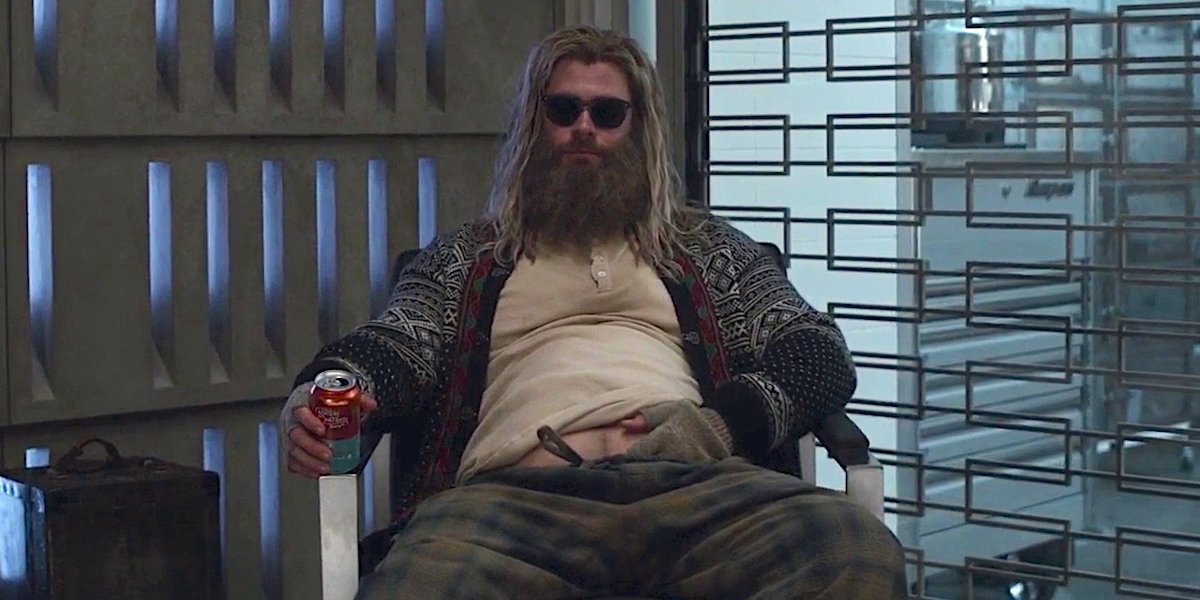
To put it succinctly, Thor is a hero because he constantly moves in the direction of responsibility. He becomes someone who uses power to defend rather than to control, and he continues along that path even when he has every reason to give up.
Calling Thor a hero does not take away from the fact that he occasionally appears to be a villain, particularly when seen from the perspective of those who are impacted by his decisions. By allowing Thor to be careless, arrogant, and emotionally unstable and then making him deal with the consequences, the MCU makes Thor intriguing.
Pride before wisdom
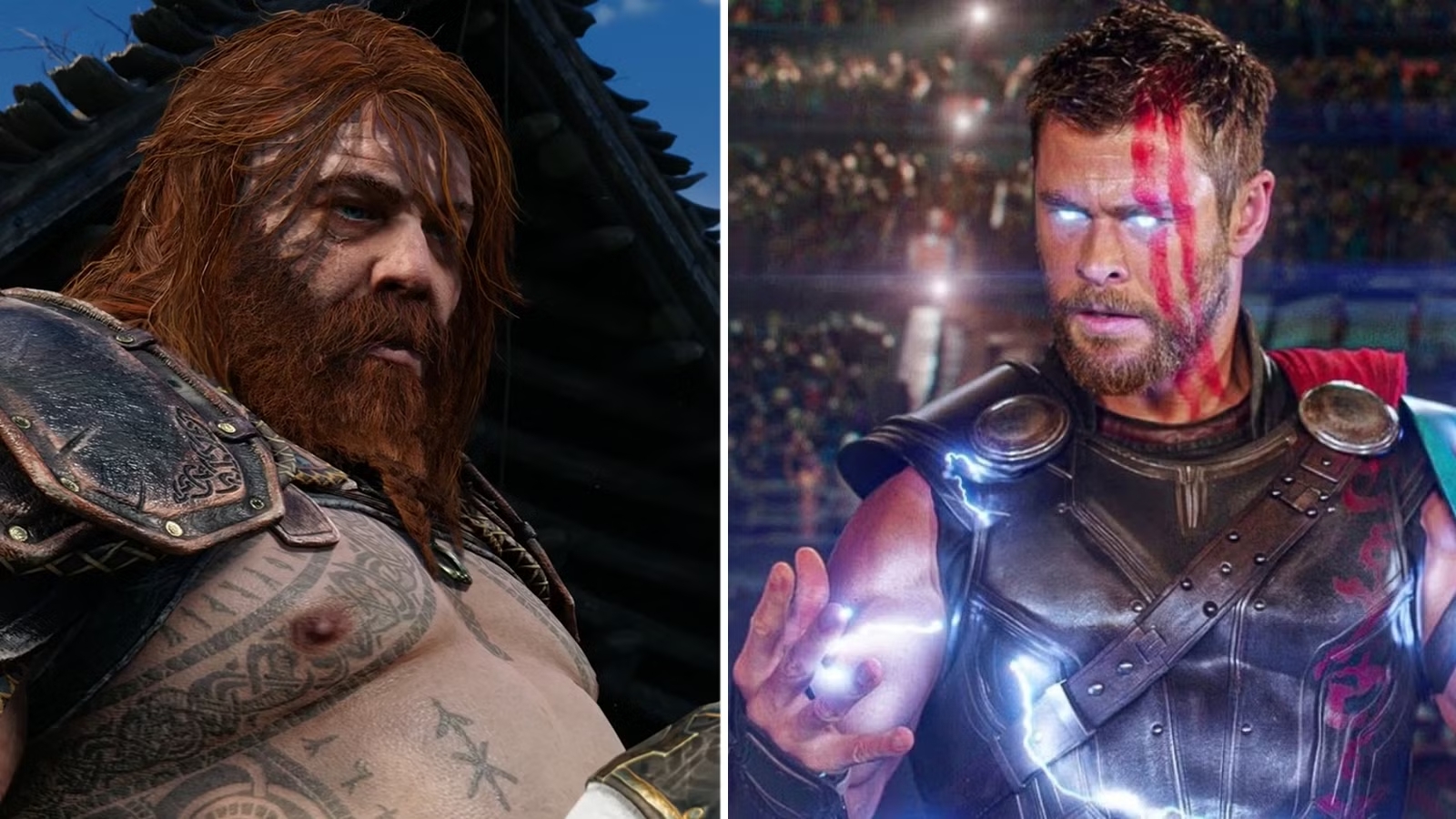
Arrogance is the first "villain-like" quality of Thor. In the beginning, he views conflict as evidence of his identity and believes that authority gives him the right to act. Because it puts ego ahead of impact, that way of thinking quickly causes harm, and anyone caught in the fallout may find it difficult to distinguish it from villainous action. Just because his ego was injured during a coronation, he almost started a genocidal war with the Frost Giants. Odin took away his abilities and exiled him to Earth because of his "borderline bully" conduct.
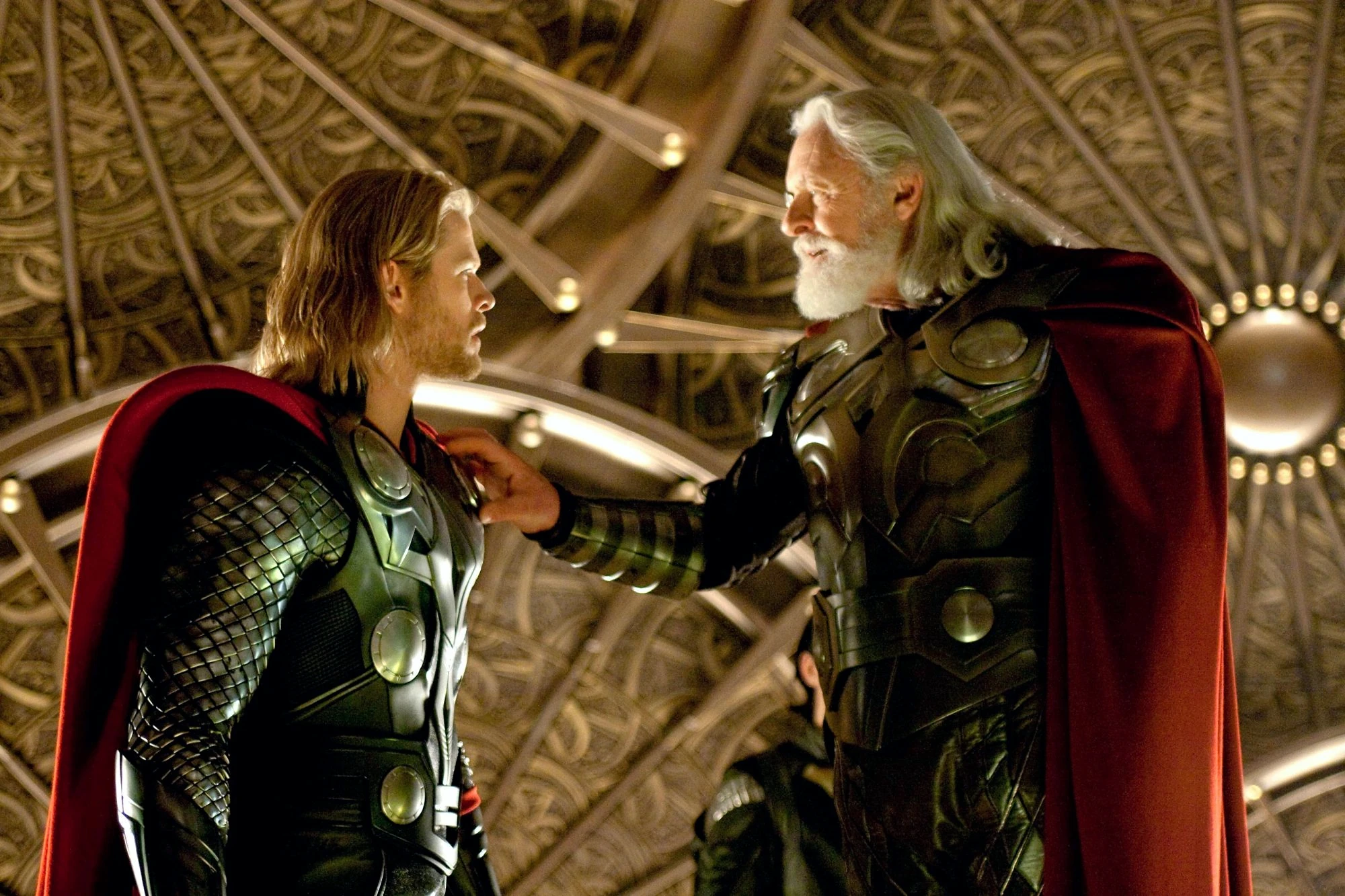
Recklessness with real collateral damage
Thor frequently acts first and considers his options later, particularly when he feels insulted or confronted. Impulsive decisions have the potential to impact entire populations in a cosmic context, making them more than just personal errors. The outcome may appear less like protection and more like reckless dominance when a hero's choices intensify conflict or put others in risk without their agreement.
Vengeance that narrows his moral vision
Thor's objectives narrow to a single target when he is furious. He becomes less inquisitive, patient, and sympathetic as a result of his need for vengeance. That tunnel vision is a common villain pattern because it turns individuals into obstacles rather than lives worth comprehending, not because it is inherently evil.
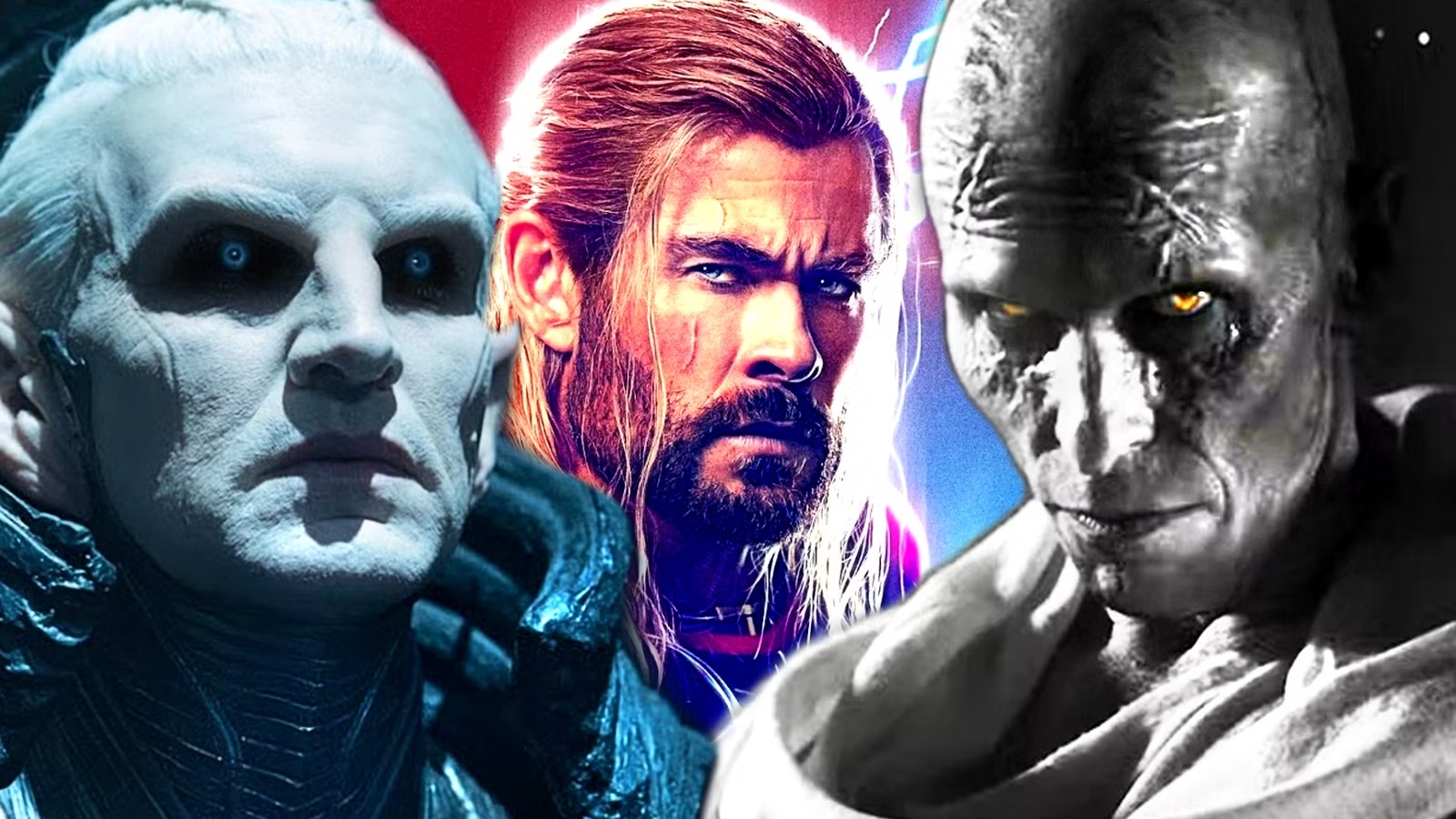
Withdrawal as a form of Abandonment
Thor occasionally withdraws emotionally and shirks responsibility following a significant setback. It may seem cruel to those who depend on him, but this is not cartoon villainy. Even when anguish and trauma are the cause, a hero's disappearance during a high-stakes situation feels like desertion.
Royal power without emotional maturity
Because of his position, Thor's shortcomings are more severe. He is a political power as well as an individual combatant because he is an Asgardian prince. The moral standard shifts when an authoritative figure's decisions are influenced by pride and impulsivity. For a ruler, the same error that might be acceptable to the average person could be hazardous.
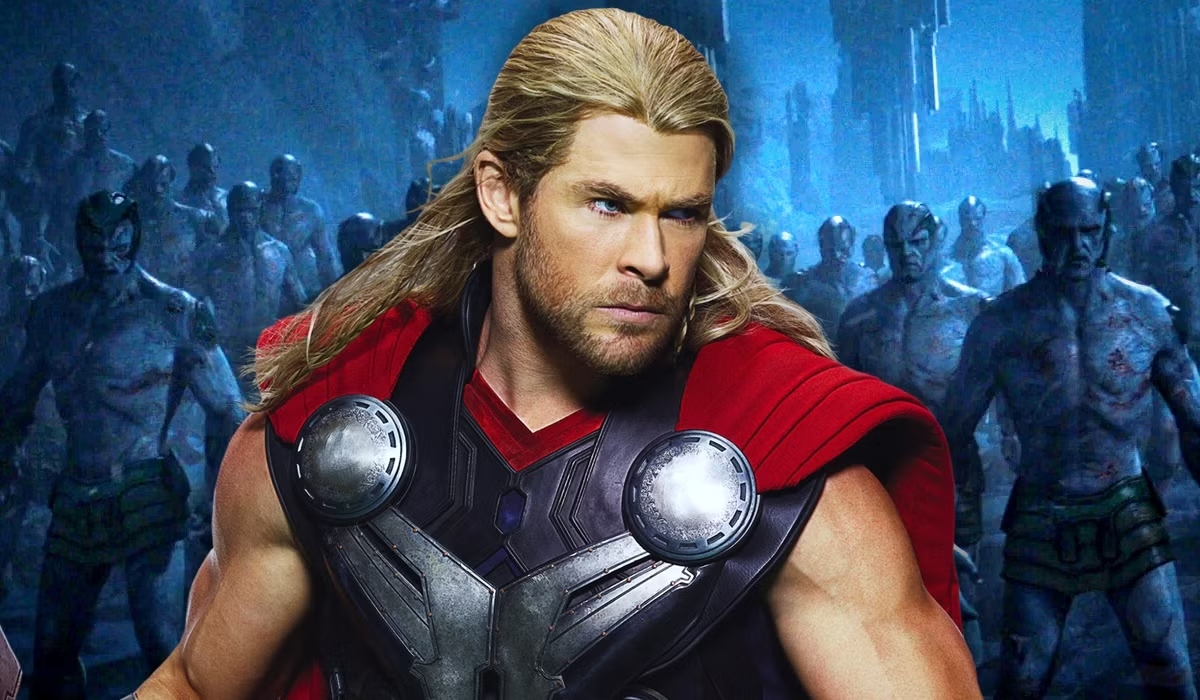
The point: A hero who could have broken bad
These incidents are significant because they highlight Thor's susceptibility to turning into the wrong kind of legend. He is continually pushed to the brink by the MCU, which then compels him to face the repercussions, provide an apology in person, and reconstruct his sense of deservingness. He feels human, not perfect, because of that tension.
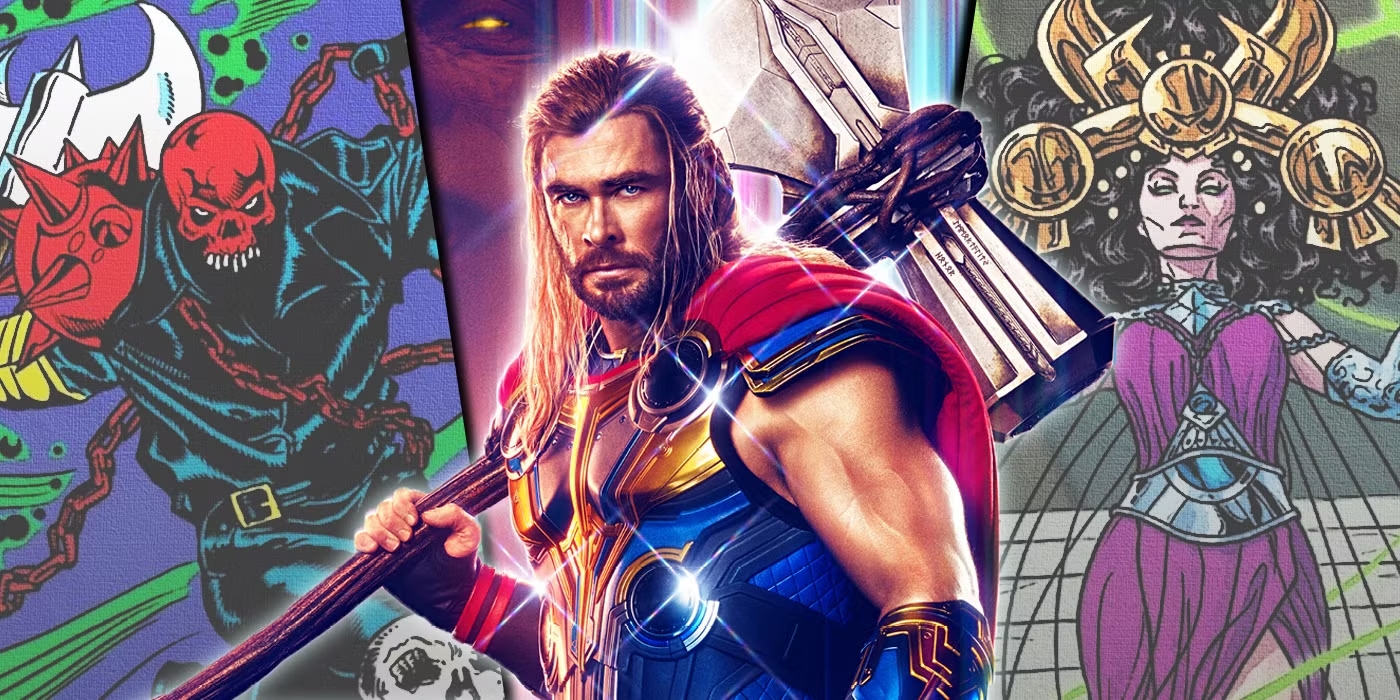
Thor isn’t a villain. He is a hero with a redemption arc that never really ends, because Marvel treats growth as ongoing. His story is about becoming worthy repeatedly, not proving worthiness once.
In Thor's case, redemption doesn't require a single apology or significant sacrifice. It's a learning pattern. He loses people, his standing, his confidence, and the version of himself he believed would last. He is forced to reconstruct his identity based on something more profound than pride after every setback. That is his arc's central emotional theme.
Accepting boundaries is another aspect of his redemption. Early Thor thinks that by being louder and stronger, he can solve difficulties. Later on, Thor discovers that bravery occasionally entails taking a backseat, paying attention, and allowing others take the lead. Heroism shifts from being a solo showcase to a collaborative endeavor. Because it rewires his connection to power, that change is a subtle kind of redemption.
Self-forgiveness is another aspect of redemption. Thor carries both shame and guilt, and shame has the power to transform a hero into a villain if it becomes resentful. Thor's journey encourages him to have empathy for himself, which enables him to have empathy for other people once more. This is how the MCU demonstrates that bravery is not just external. Additionally, it is internal stability.
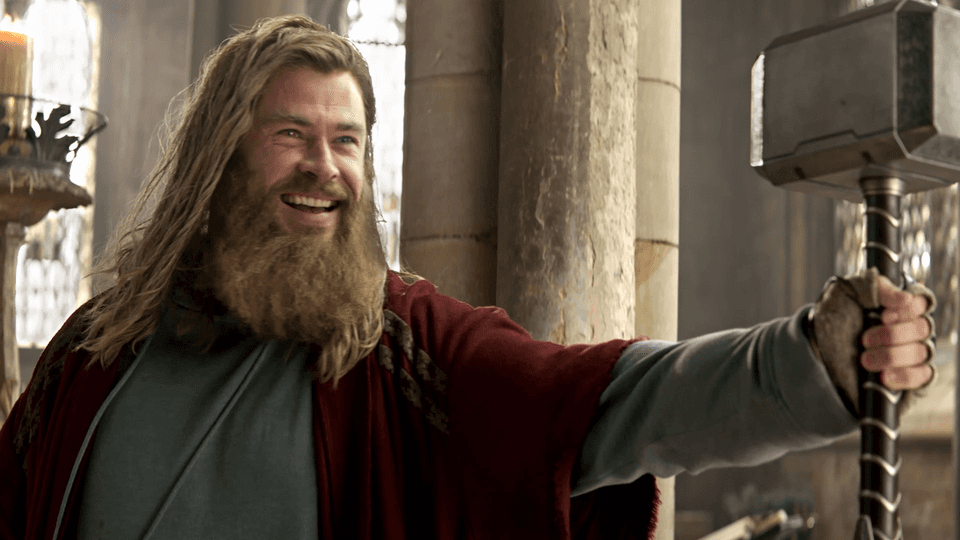
For this reason, the clean conclusion is valid: Even when he fails, Thor is heroic because he continues to make the decision to improve. Villains frequently intensify their attacks. After giving it some thought, Thor turns around and comes back to defend others. That's the distinction.
There is more to Thor merchandise than just costumes. In addition to purchasing Thor t-shirts and hoodies, fans often amass lifestyle goods that incorporate Thor's persona into everyday life, such as drinking glasses, mugs, steel tumblers, desk décor, and Mjolnir or Stormbreaker display pieces.
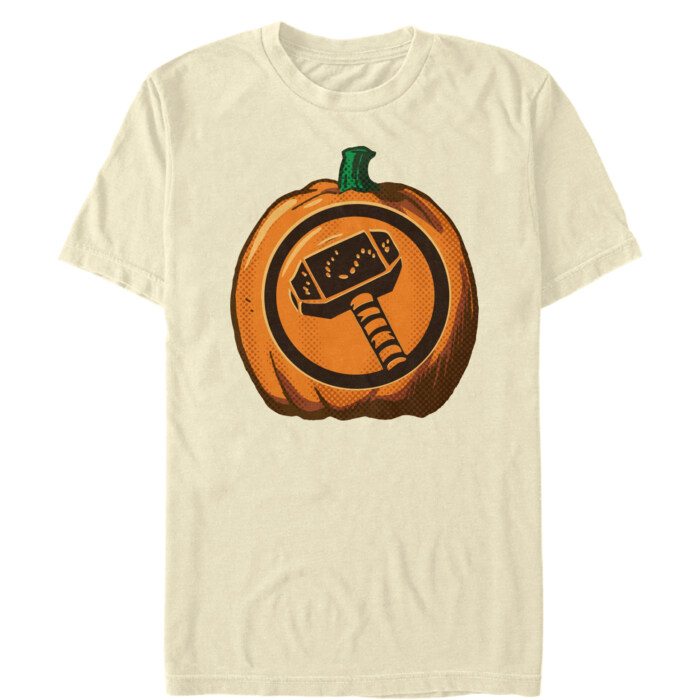
For readers looking for officially licensed Thor merchandise with a hassle-free shopping experience, Fendory is the obvious choice. With clear product images, precise specifications, and easy-to-understand policies, your Thor merchandise collection may be positioned as the center for wearable technology and useful lifestyle goods.
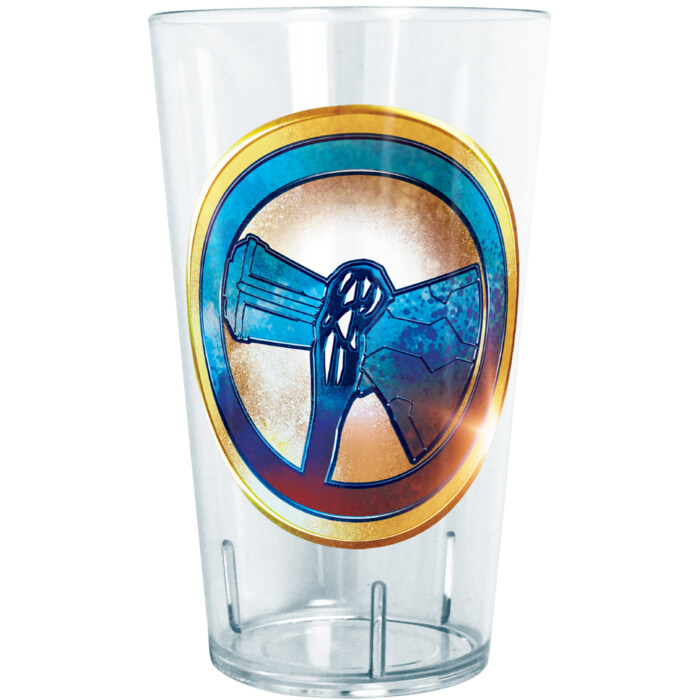
You are choosing authenticity when you choose Fendory. Since each piece in our collection is an officially licensed Marvel product, the colors, symbols, and designs are all just how the creators intended. We offer a first-rate, expert purchasing experience with straightforward sizing and worldwide shipping.
Don't accept "villainous" subpar bootlegs. Show the world that you are deserving by arming yourself with the greatest in the Nine Realms.
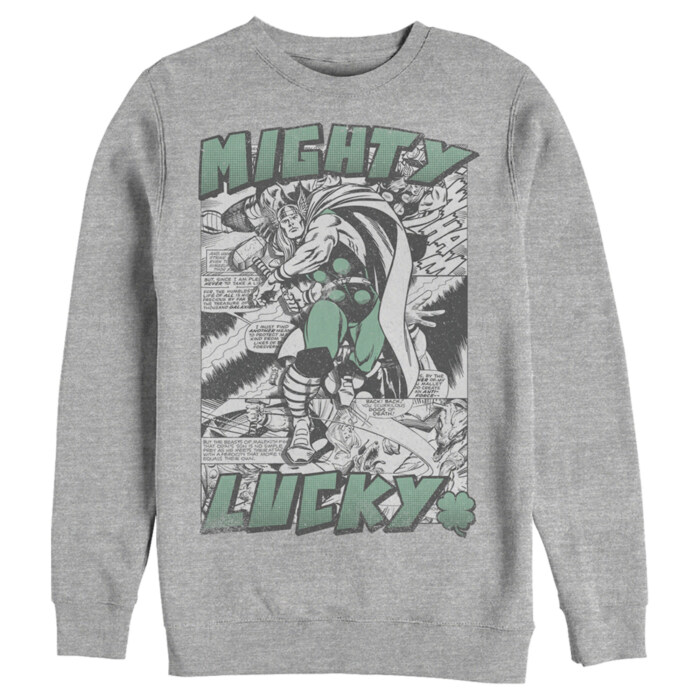
When a Thor buy lasts, it becomes worthwhile. Licensing, transparency, and construction quality, rather than merely a cool image, are the sources of that endurance. Use the Fendory Thor Merchandise collection as the point of contact for those seeking real, wearable, and reusable Thor clothing.
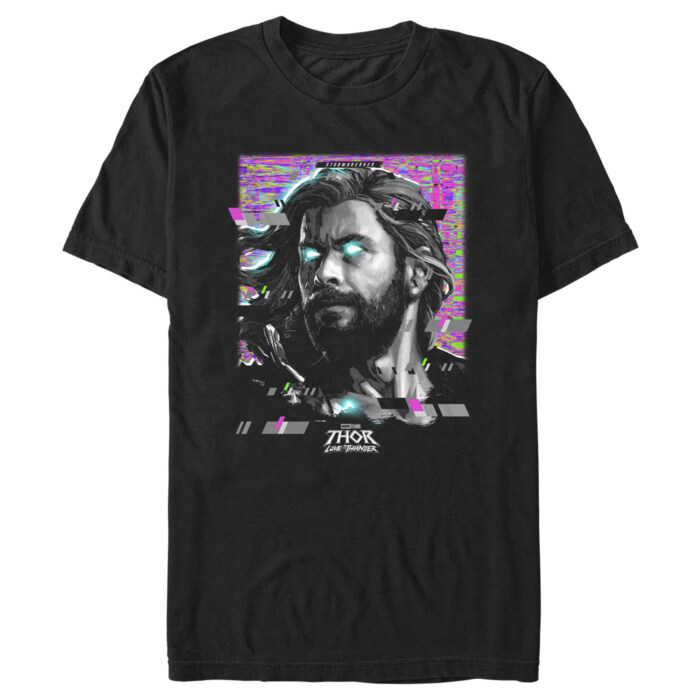
Thor's distinguishing characteristic is growth; he learns from his mistakes, continues to choose safety over pride, and is therefore a hero rather than a villain. Fans can commemorate that adventure with durable, high-quality goods thanks to Fendory's officially licensed Thor merchandise.
Read more:
0 comment